Independent voices, one home
Good stories.
Fresh perspectives.
A little inspiration. A new way of seeing.
Discover thoughtful stories from people
with something to say.
For the endlessly curious.
Read widely, at your own pace.
The reading room
Fresh off the page.
New ideas. Good company.
Urban Trees7 min read
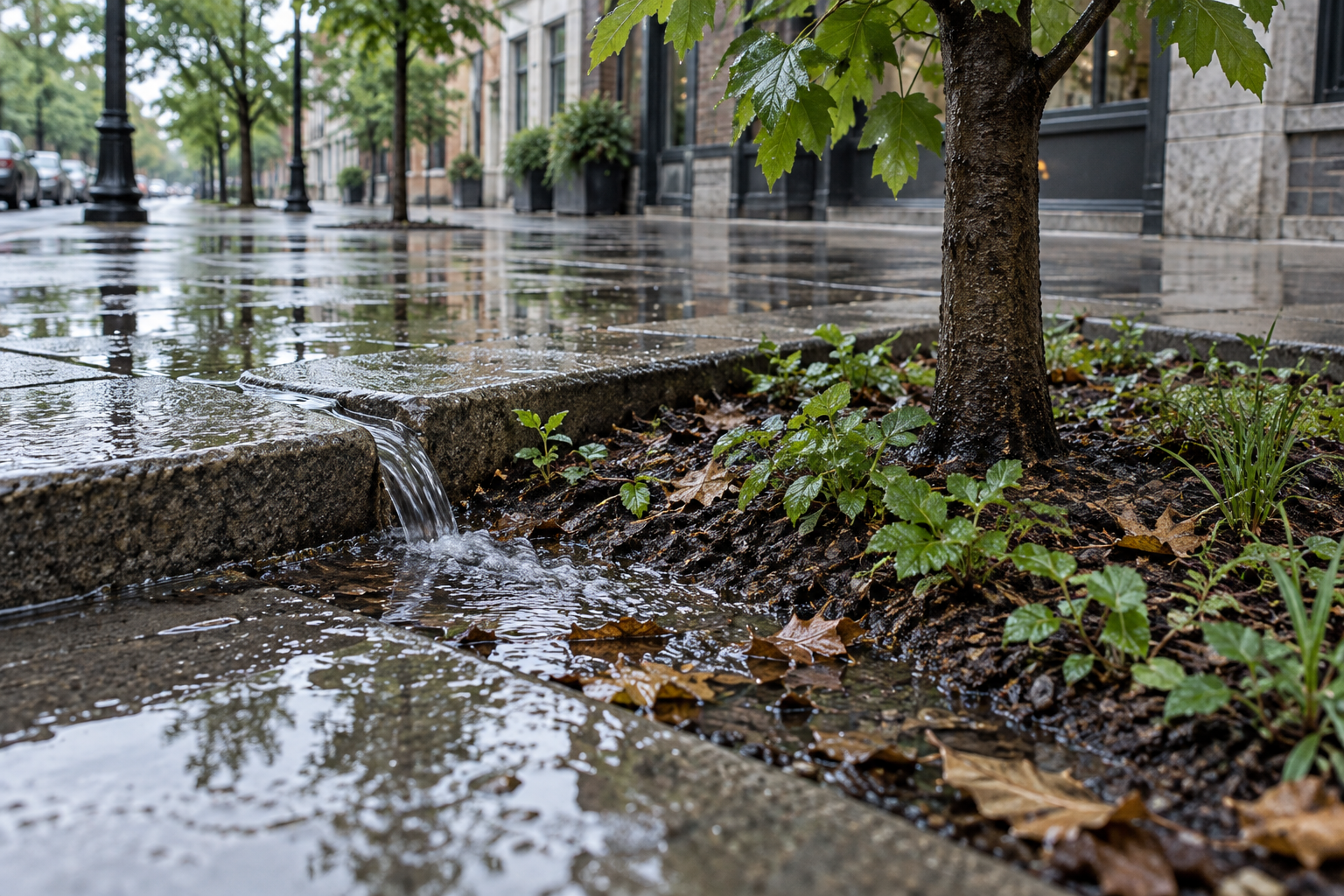
What a tree pit needs from rain
A street tree needs more than a shower over its crown. Its pit must receive runoff, admit it through living soil, and release excess water before the roots stay submerged.
Rivers6 min read
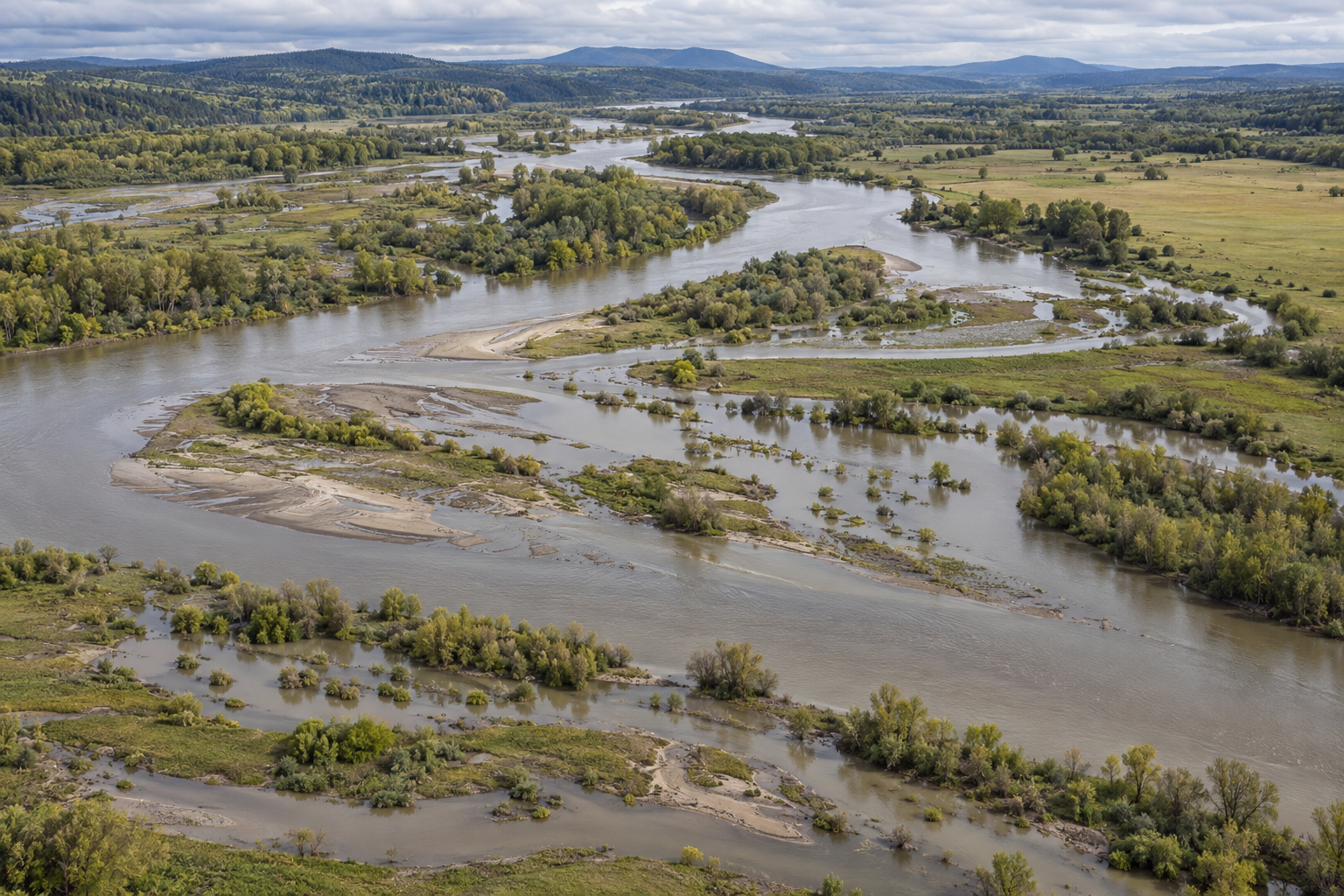
Why a floodplain needs more than a boundary line
A mapped flood line represents one modelled water level. Depth, rainfall history, changing channels and floodplain life show why a river's low ground needs a fuller description.
deadwood5 min read
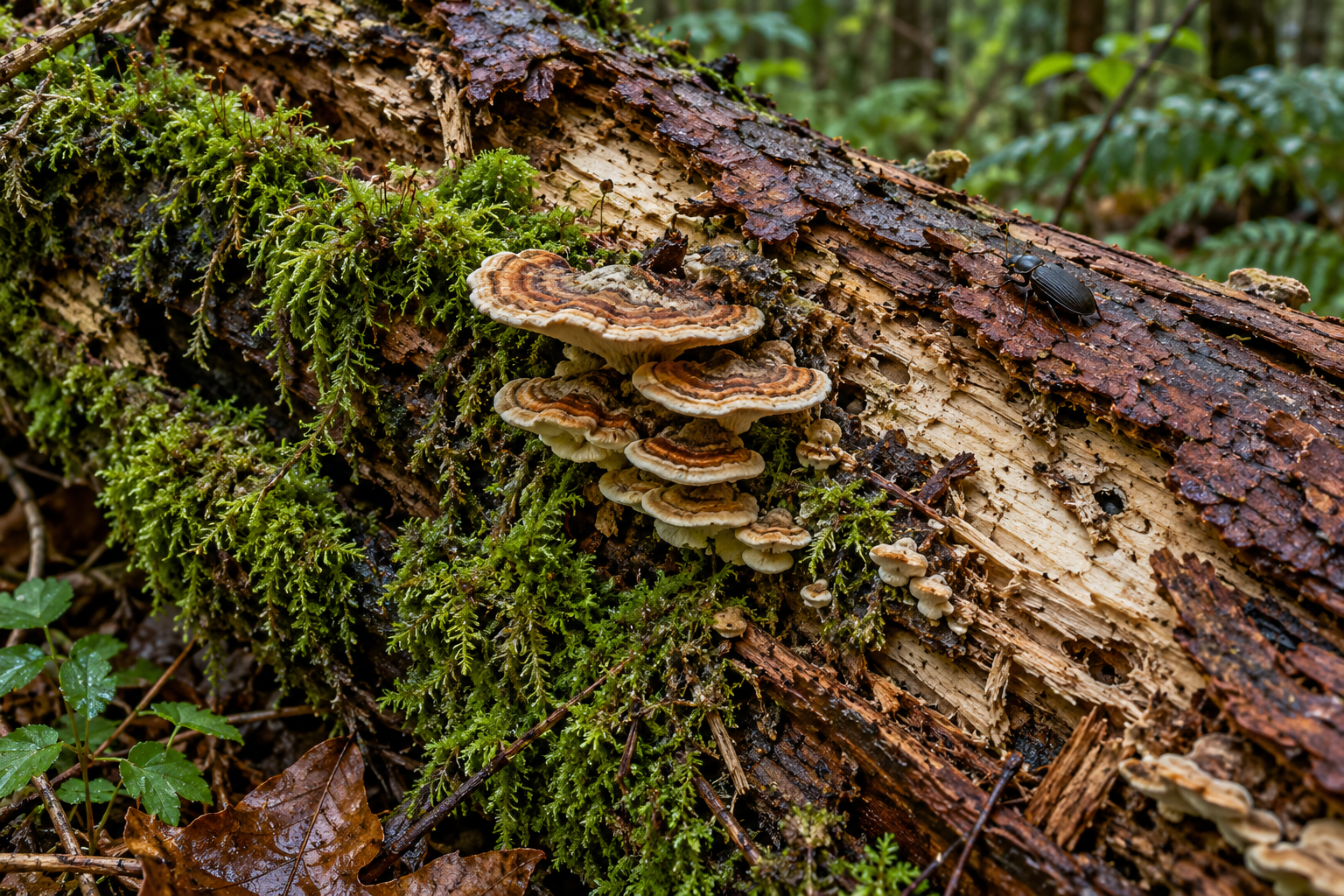
A Dead Tree Is a Changing Address
Deadwood holds carbon and changing habitats. Its organisms make the relationship more complex than a simple decay timer.
Beans6 min read
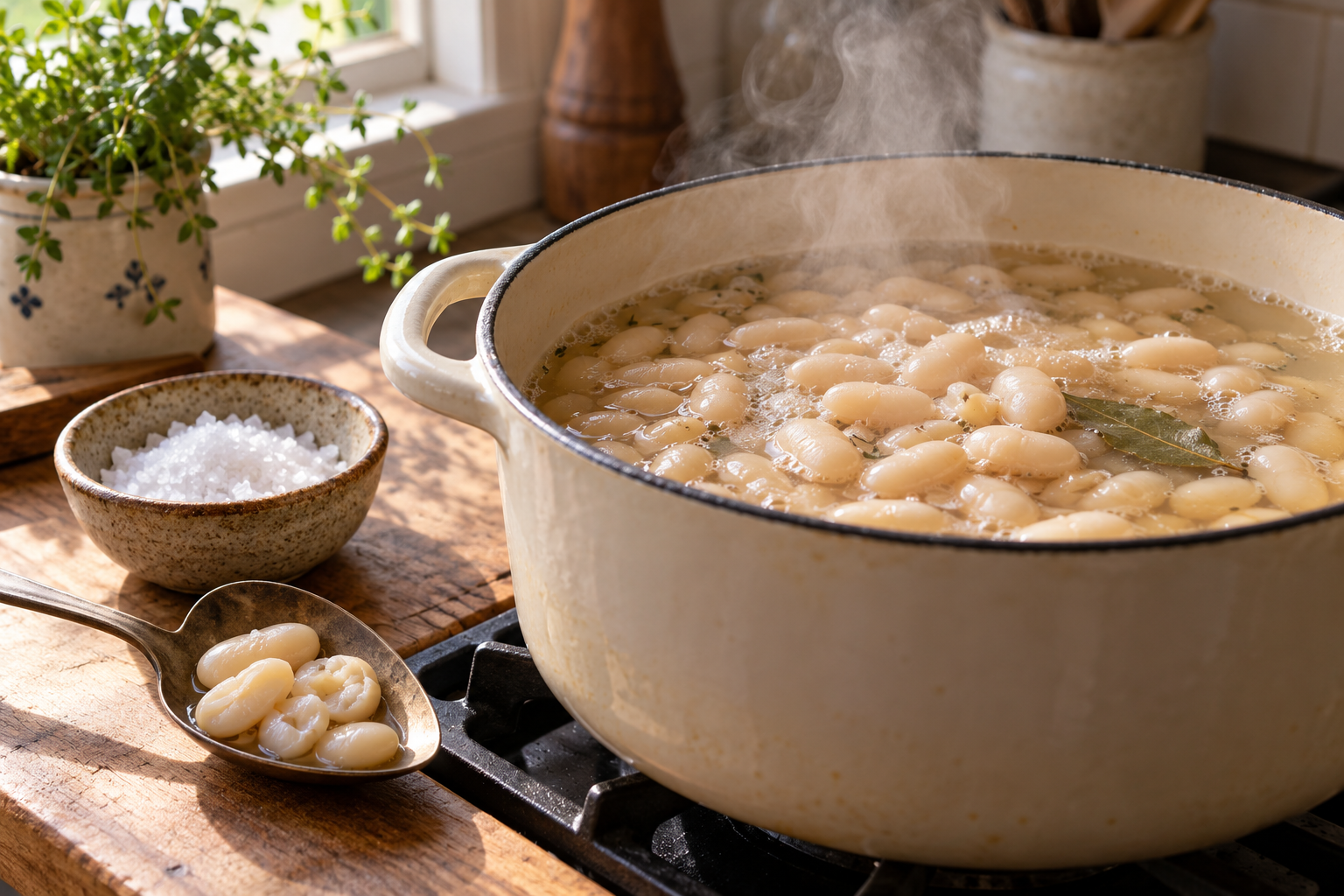
What salt changes in a pot of beans
Salt can season beans and alter their texture, but studies of soaking and simmering do not yield one universal timing rule. Variety, dose, minerals, acidity and storage history all change what happens in the pot.
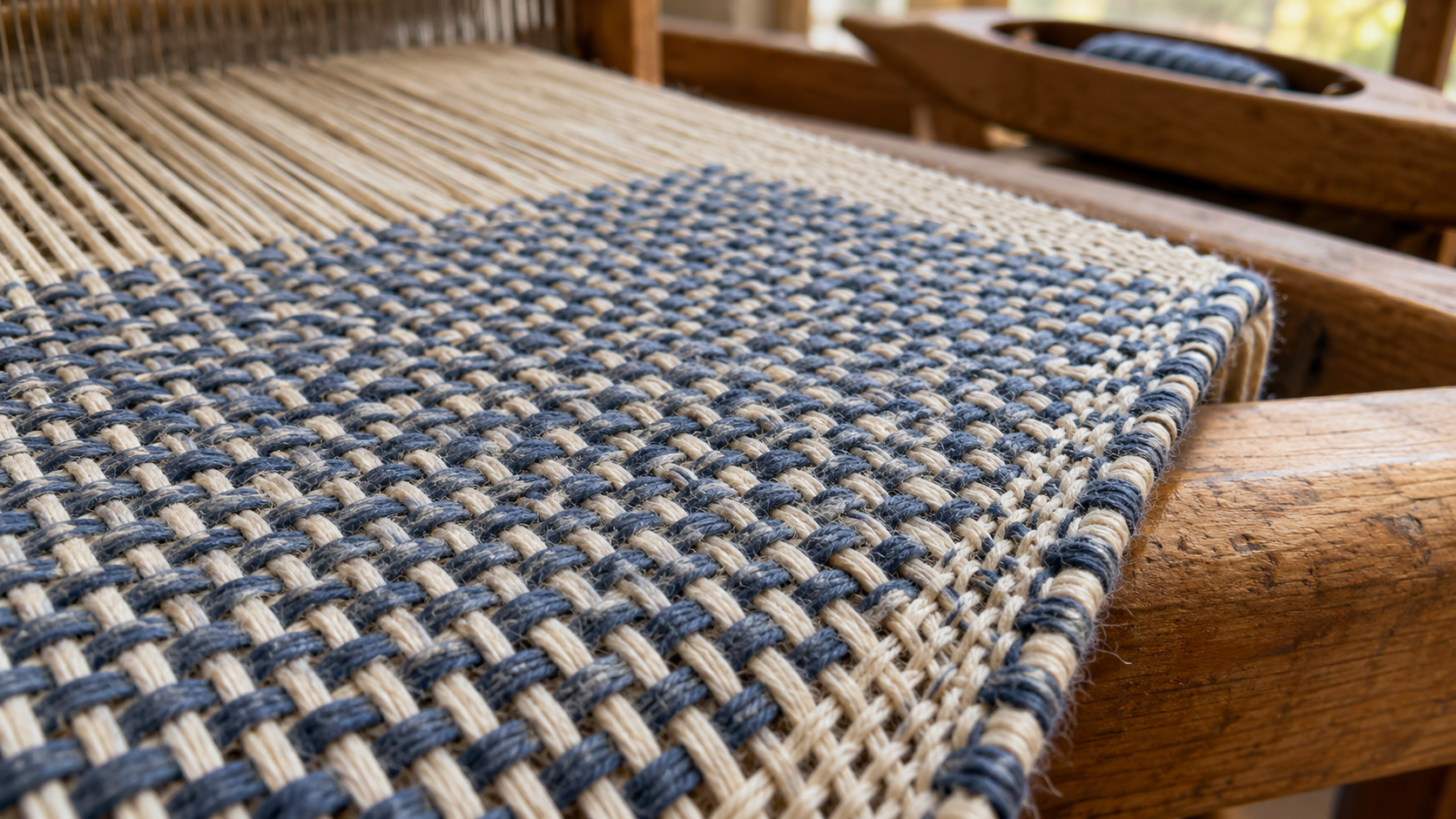
Weaving6 min read
How a woven edge holds together
A woven cloth has an edge made by the path of its threads. Follow a shuttle’s return, then the different ways a shuttleless loom secures each cut weft, and the small allowance of slack that keeps the edge straight.
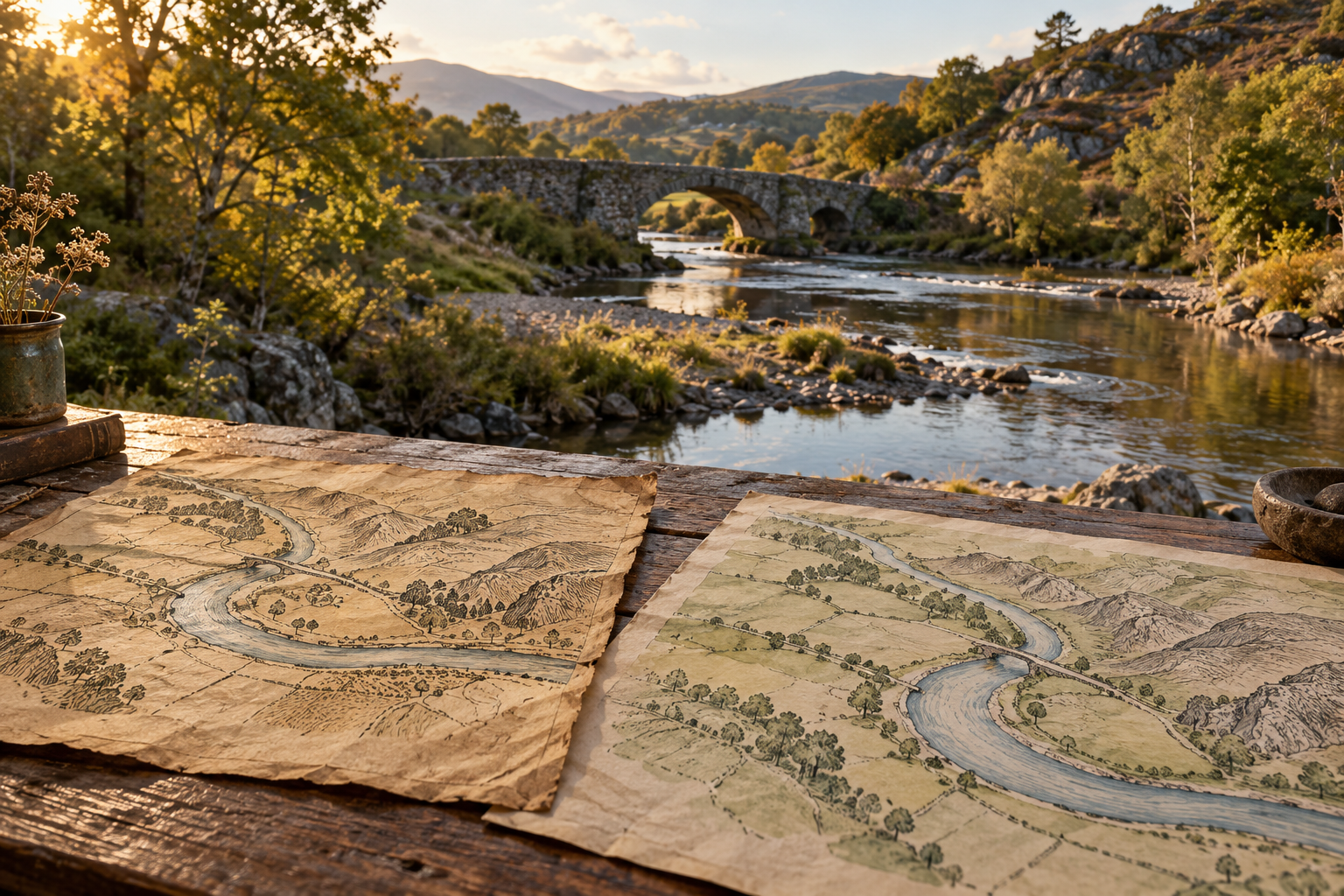
Place names5 min read
Why a place name can outlast a language
A river or settlement keeps drawing new speakers even as languages change. Borrowed sounds, official maps and living local knowledge explain why old names persist, shift, disappear from records or return.
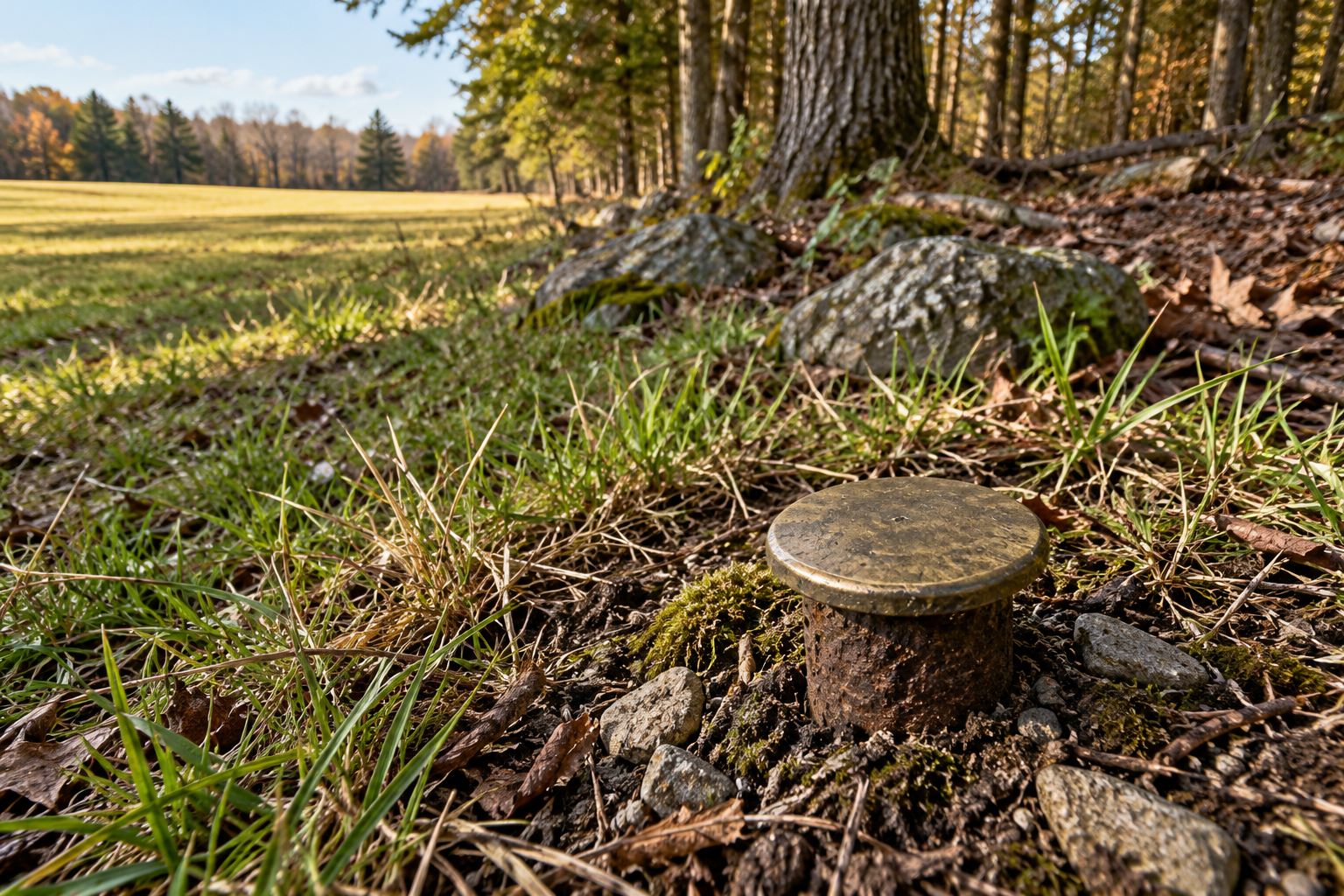
Surveying6 min read
The survey marks that keep a boundary recoverable
A survey corner survives through more than a metal cap. Original notes, nearby witnesses, later records, and a disciplined search can recover its position when the mark disappears.
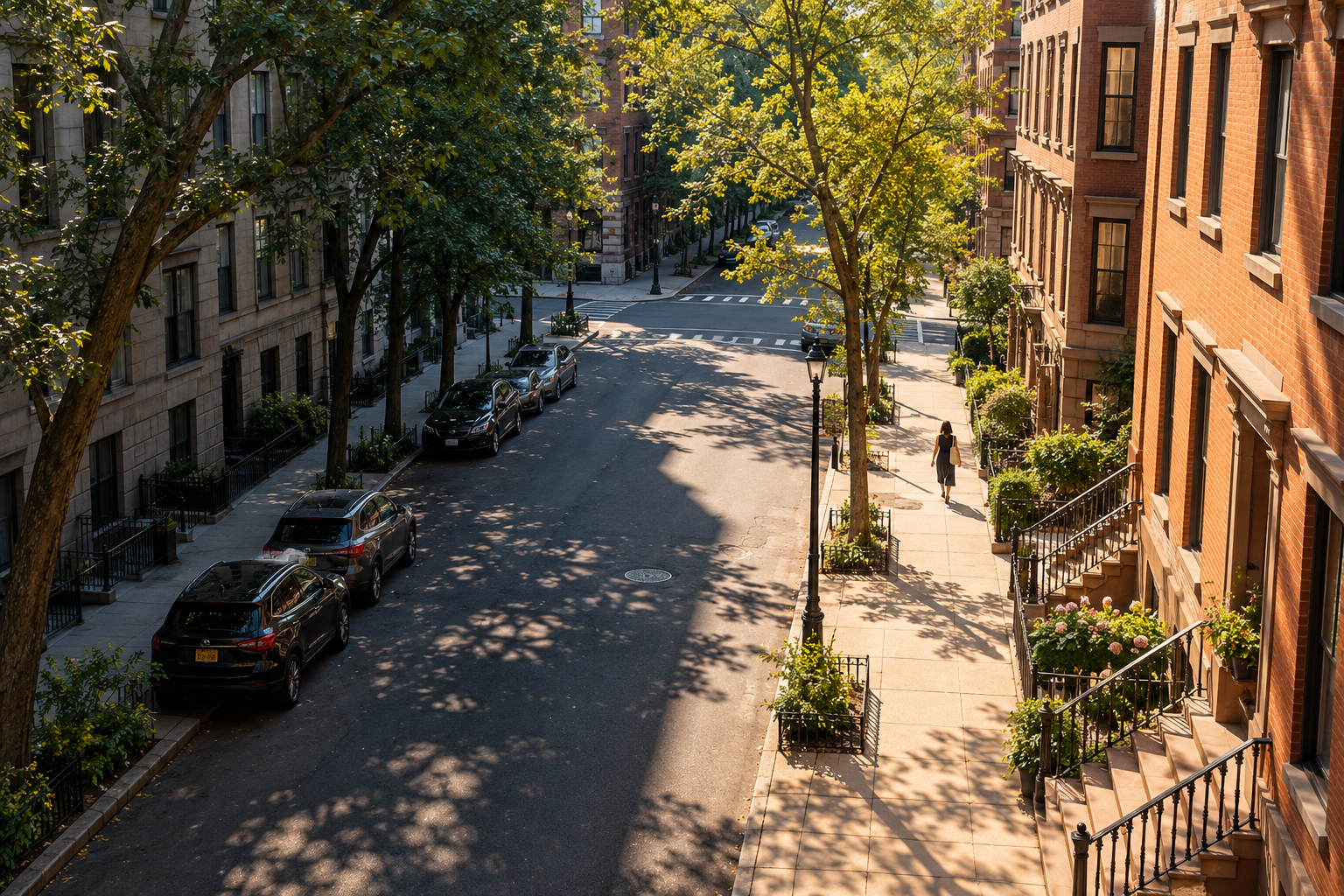
Urban Climate6 min read
The weather inside a city block
Across one block, shade, warm surfaces and turning wind can change what a walker feels. Street measurements show why air temperature alone misses much of that local weather.
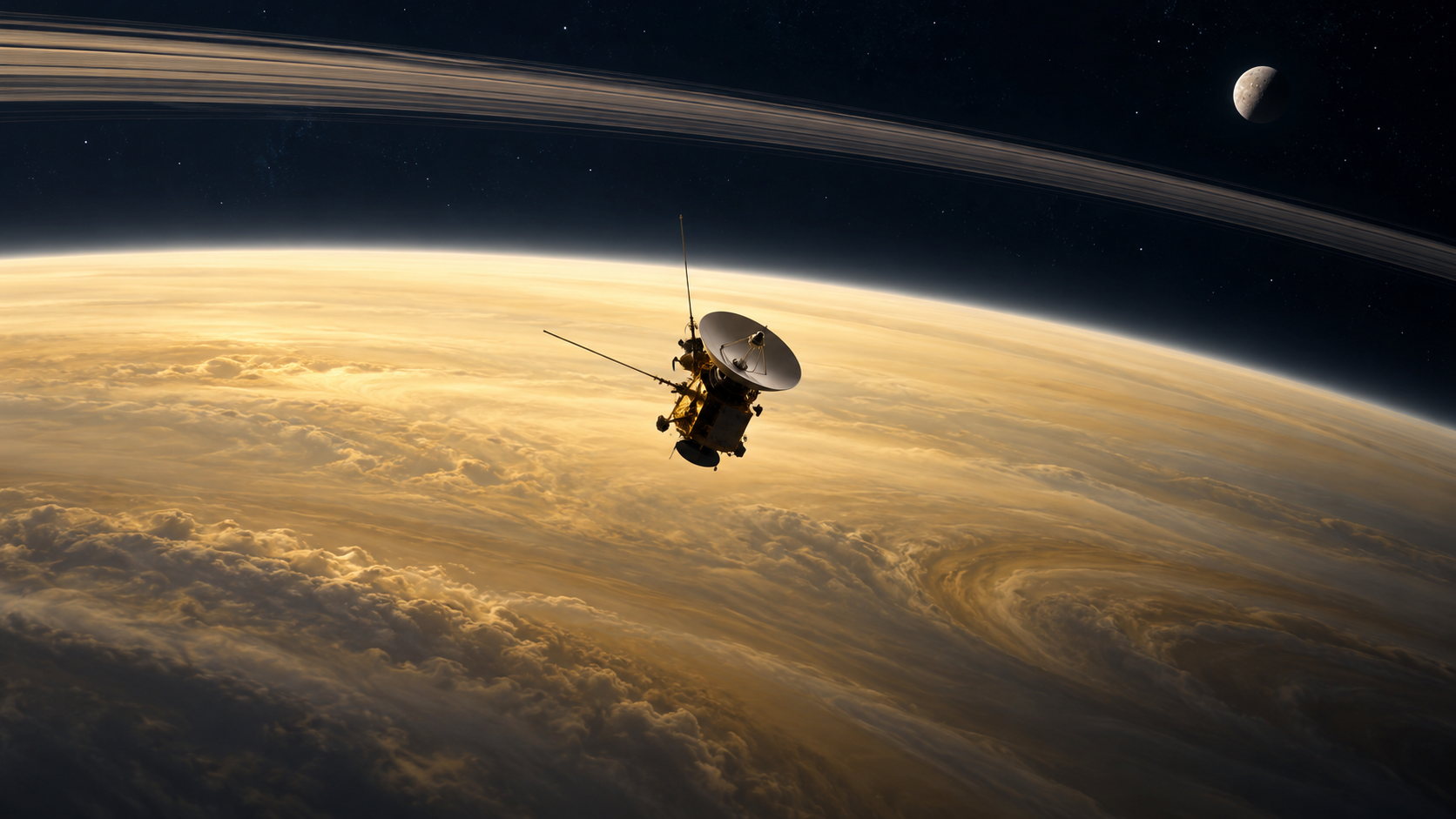
Planetary protection5 min read
Planetary protection preserves a question for the next mission
Cassini’s controlled ending and Perseverance’s witness tubes illustrate a scientific priority: exploration should leave its evidence interpretable.
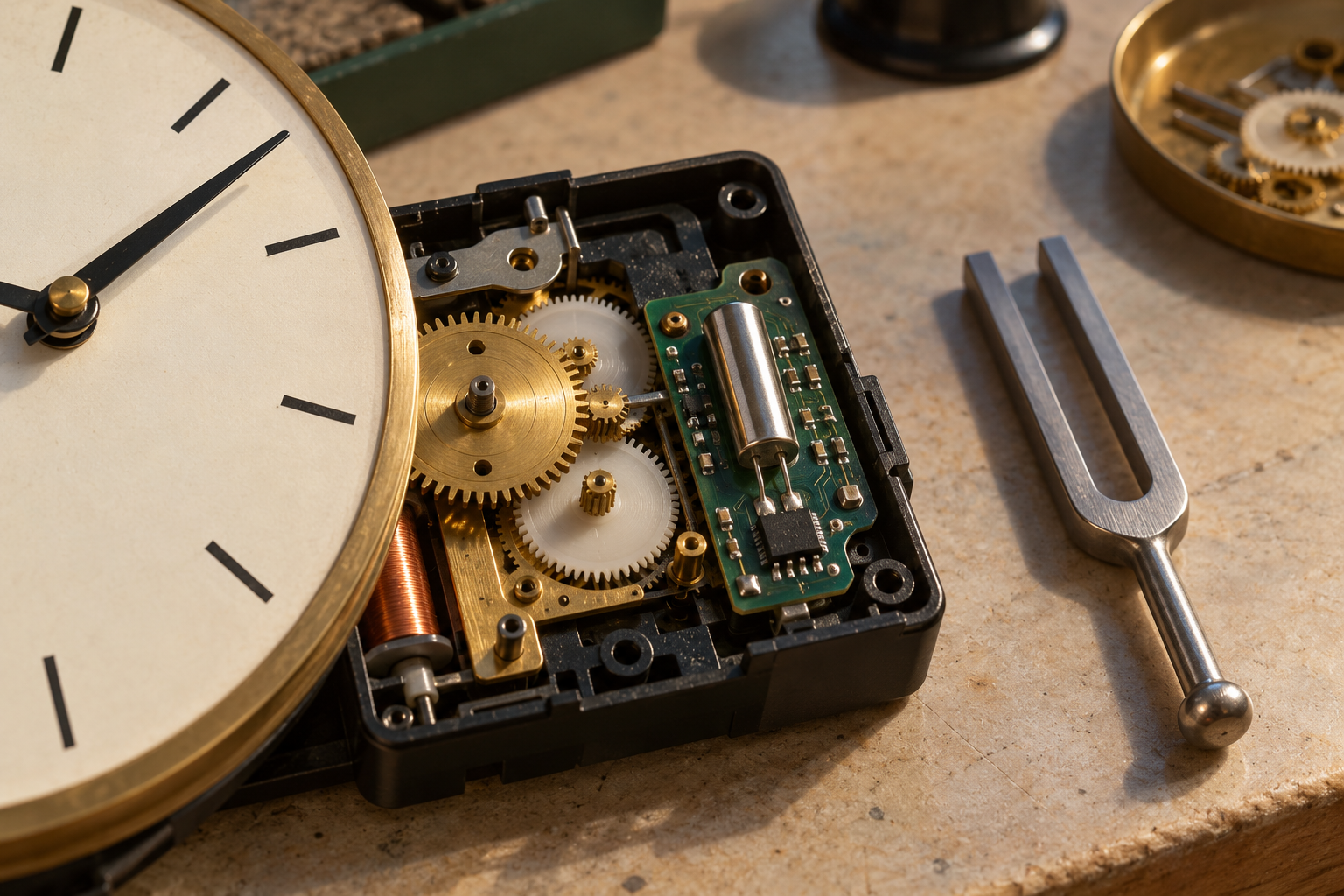
Timekeeping6 min read
Why a clock needs a frequency reference
Setting a clock and keeping it on time are different jobs. Its oscillator supplies the ticks, while comparisons with a frequency reference show whether those ticks make honest seconds.
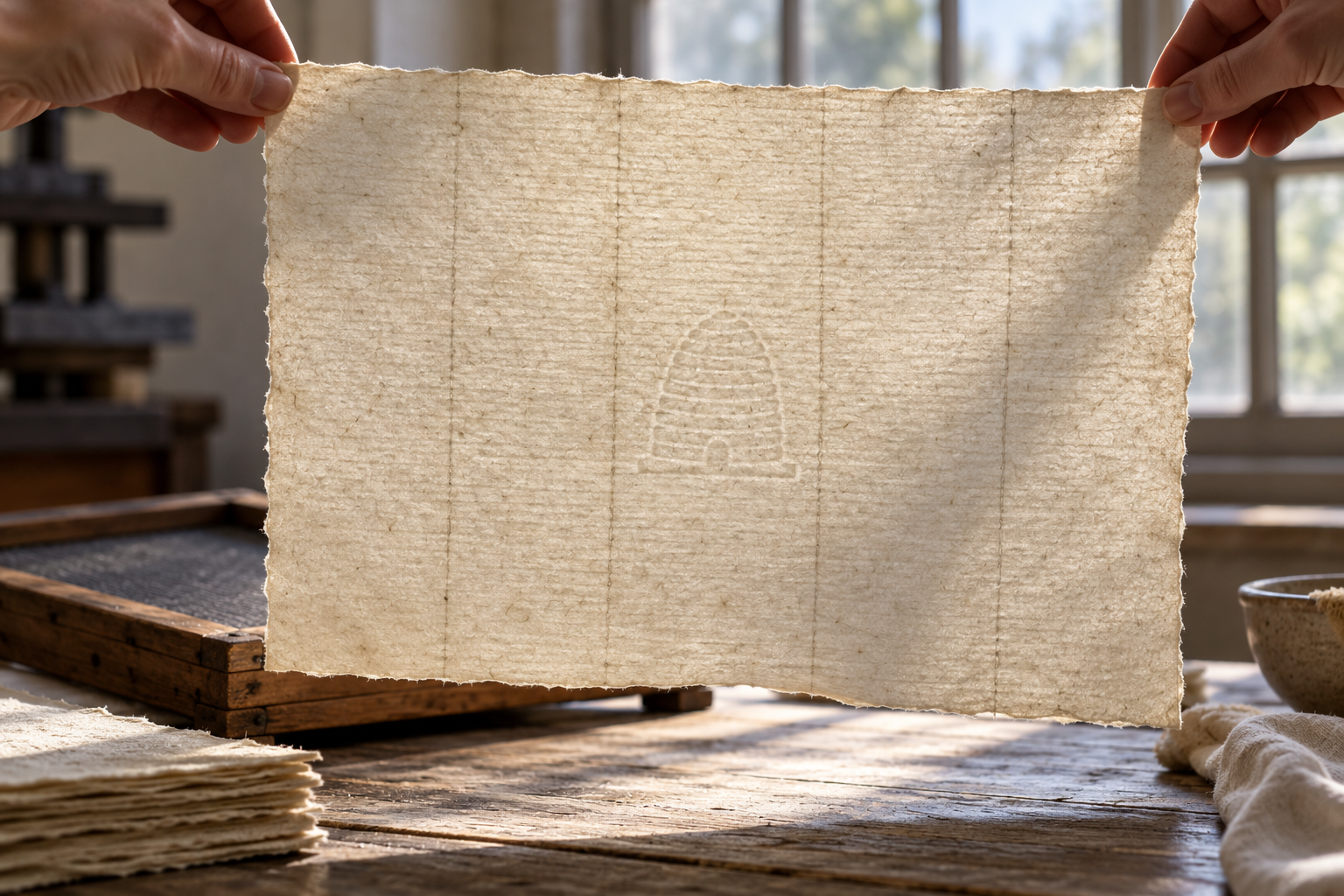
Paper history6 min read
What a watermark can tell a paper historian
A watermark records a papermaking mould, not the day a letter was written. Its shape, position, neighbouring lines and matched sheets can reveal a paper's history when each inference is kept distinct.
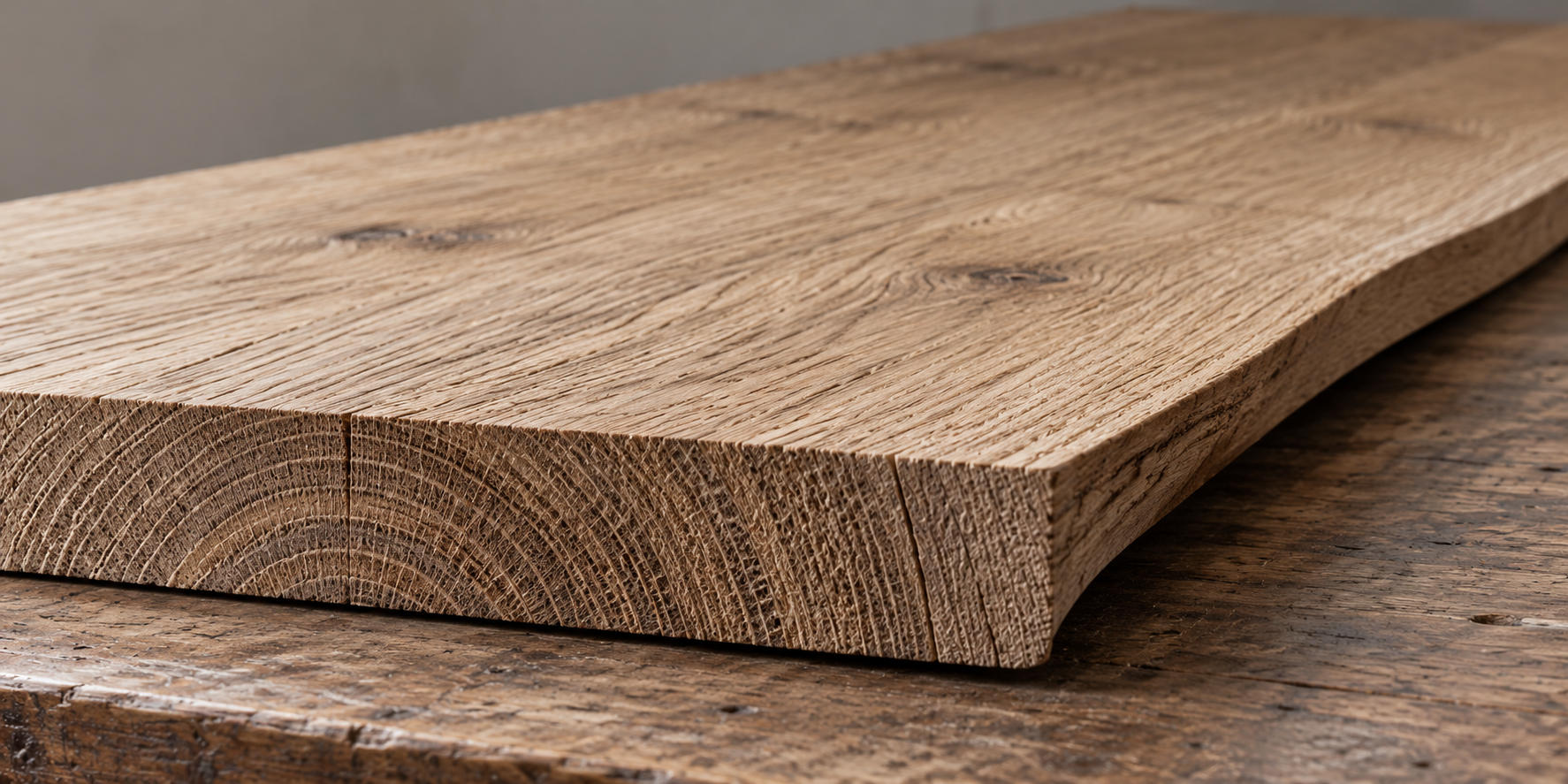
Wood7 min read
The moisture hidden in a wooden board
A dry board still trades water with the air. Where that water sits, and how quickly each face responds, determines whether the wood widens, bends, or cracks.