environmental DNA5 min read
Environmental DNA Arrives with a Travel History
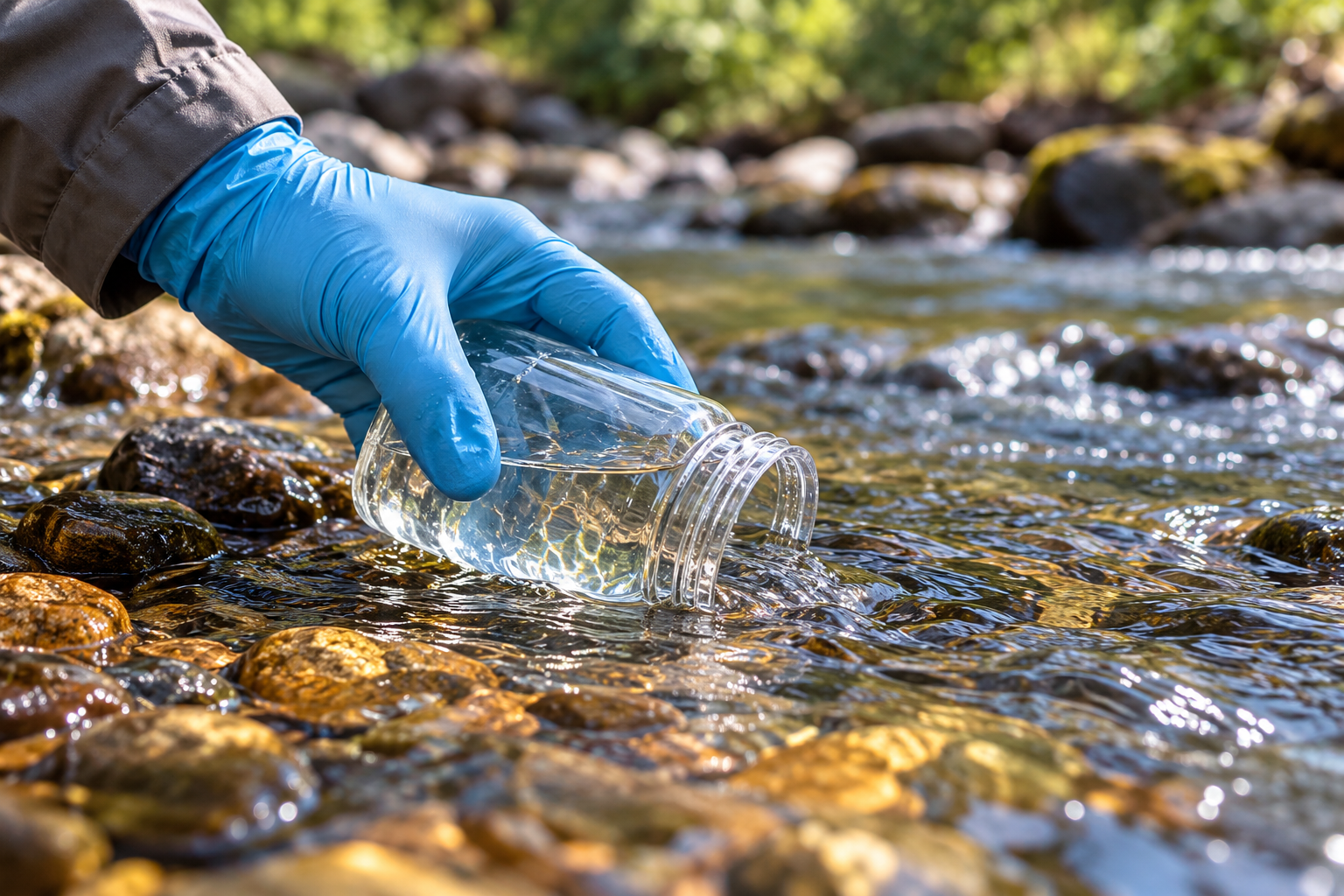
A river-water sample can reveal elusive life while carrying evidence from elsewhere. Its journey is part of the interpretation.
A little inspiration. A new way of seeing.
Discover thoughtful stories from people
with something to say.
For the endlessly curious.
Read widely, at your own pace.
8 stories found Clear filters ↗
A river-water sample can reveal elusive life while carrying evidence from elsewhere. Its journey is part of the interpretation.
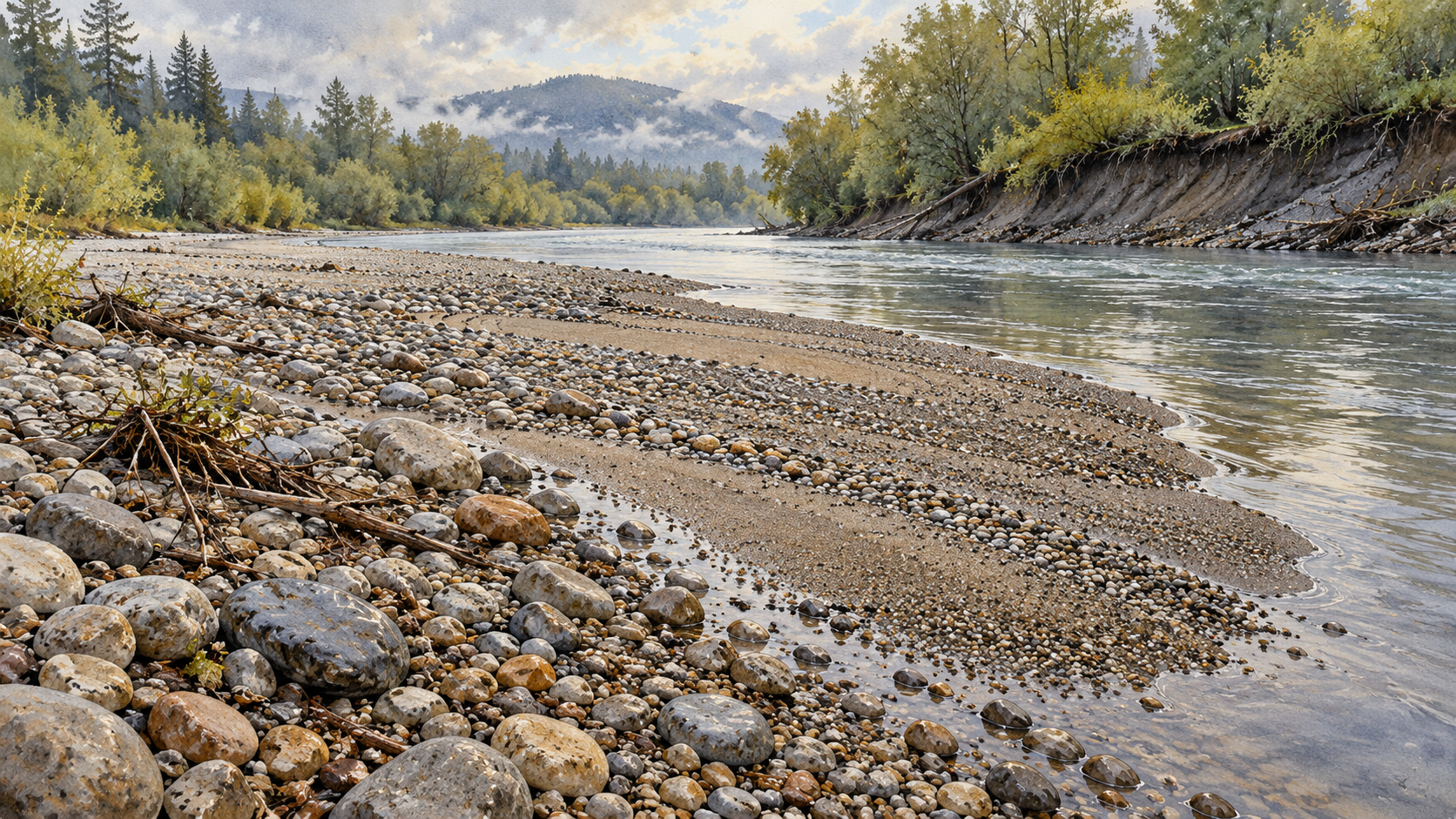
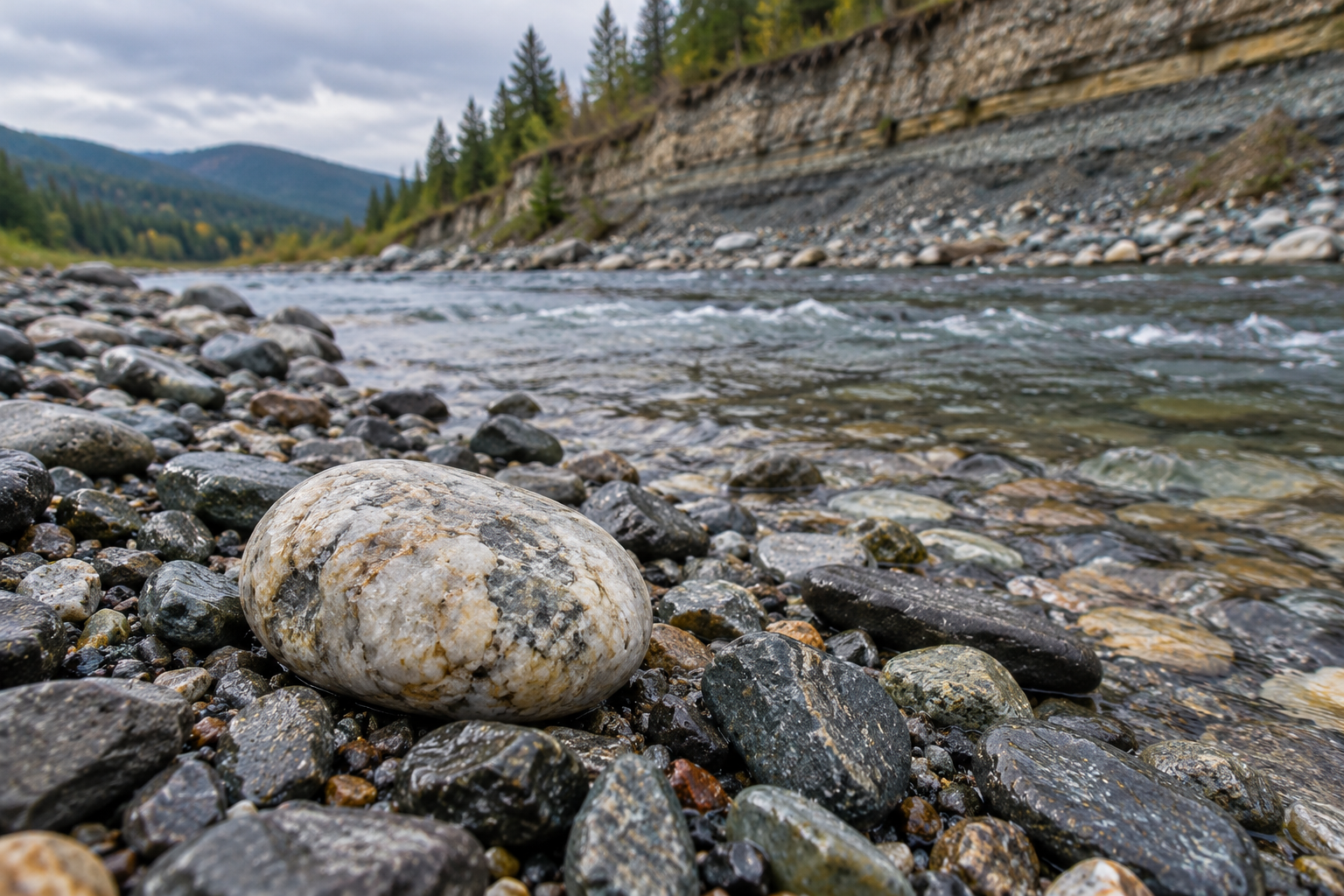
An exposed gravel bar holds traces of material carried, deposited and left in place. Its stones tell a fuller flood story when read with the river's earlier shape and flow record.
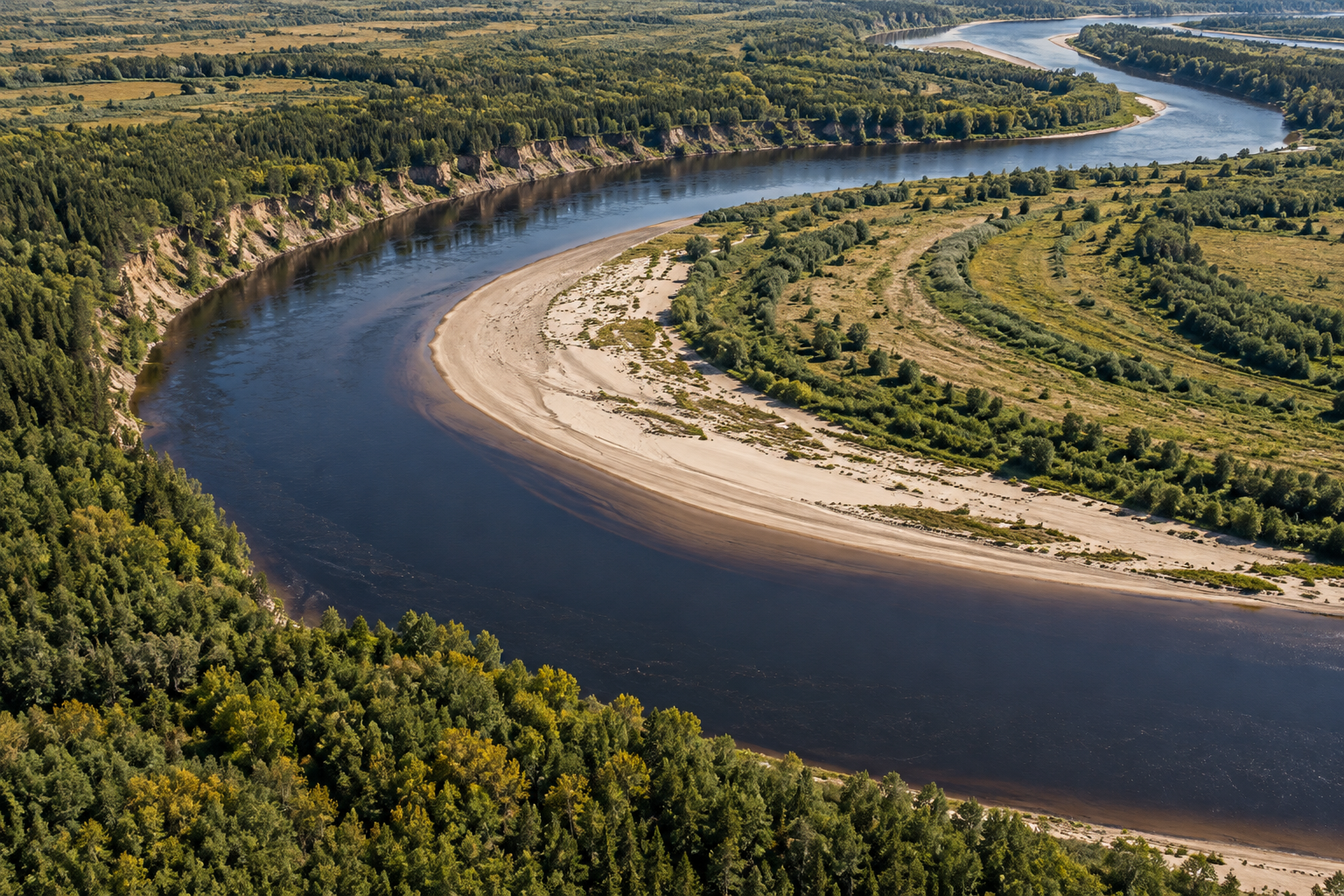
A river bend changes as flow scours banks, builds and erodes bars, and sometimes cuts a shortcut across its floodplain. Its shape keeps an uneven record.
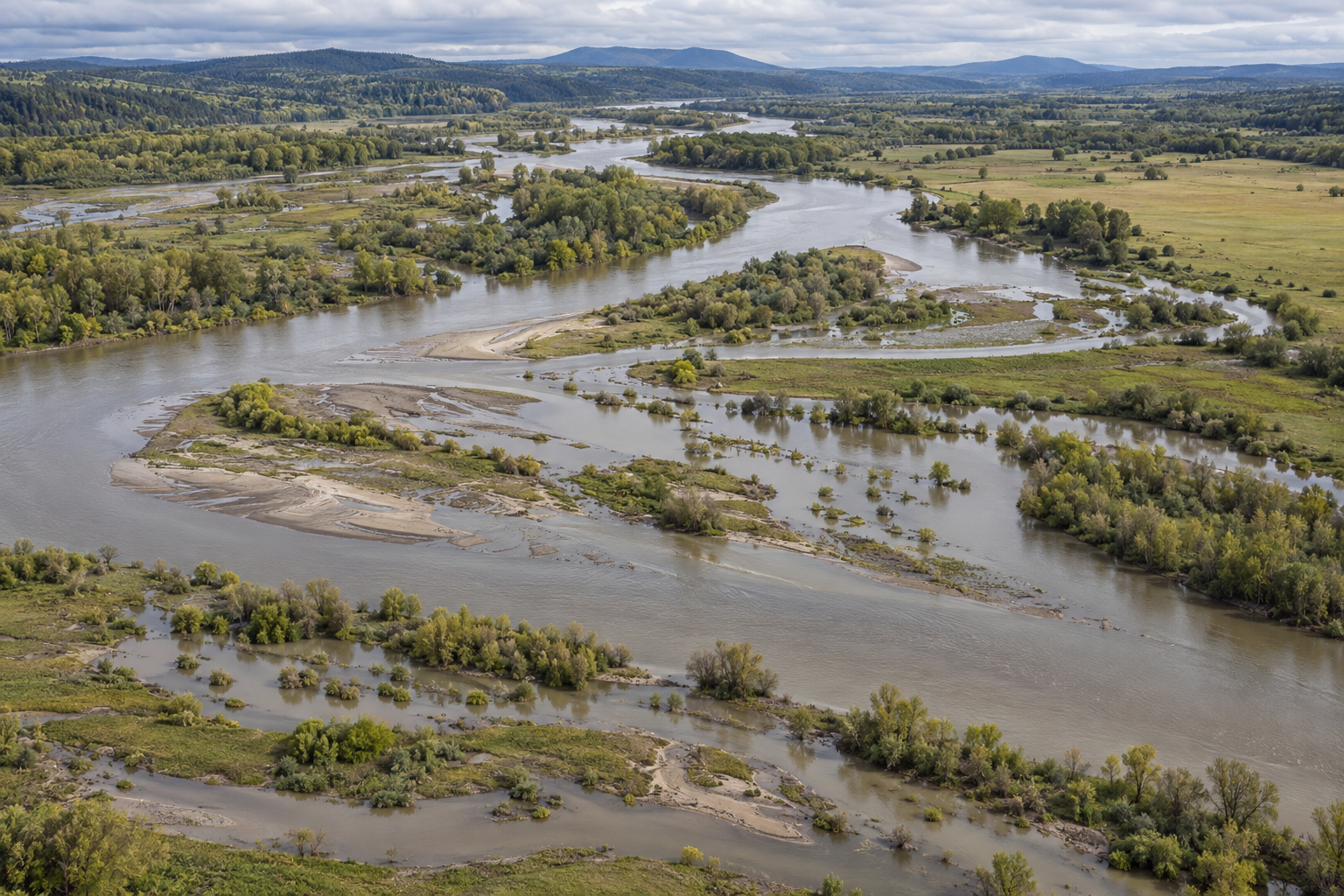
A mapped flood line represents one modelled water level. Depth, rainfall history, changing channels and floodplain life show why a river's low ground needs a fuller description.
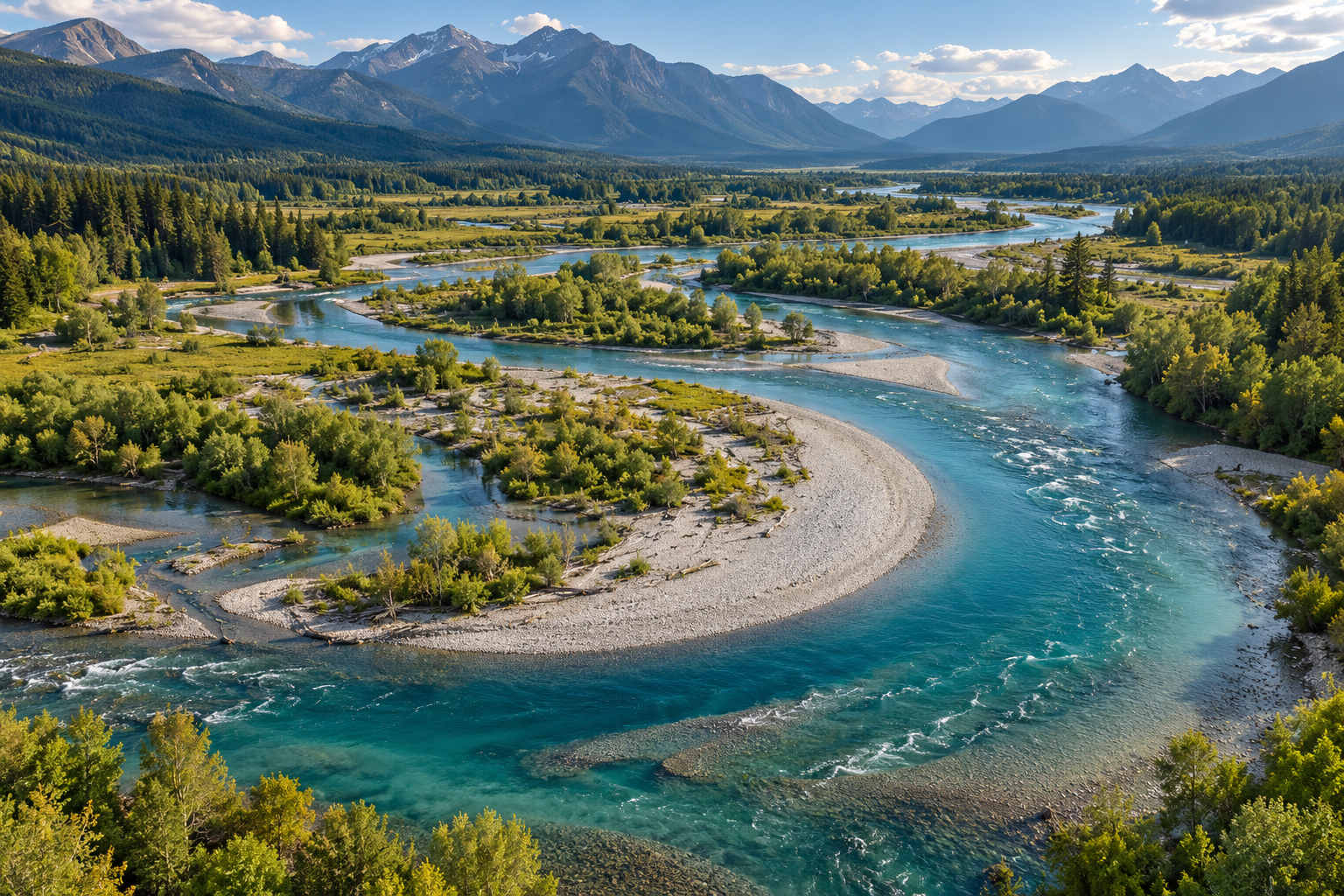
Fish passage, suitable habitat, sediment movement, and population persistence are different parts of river reconnection.
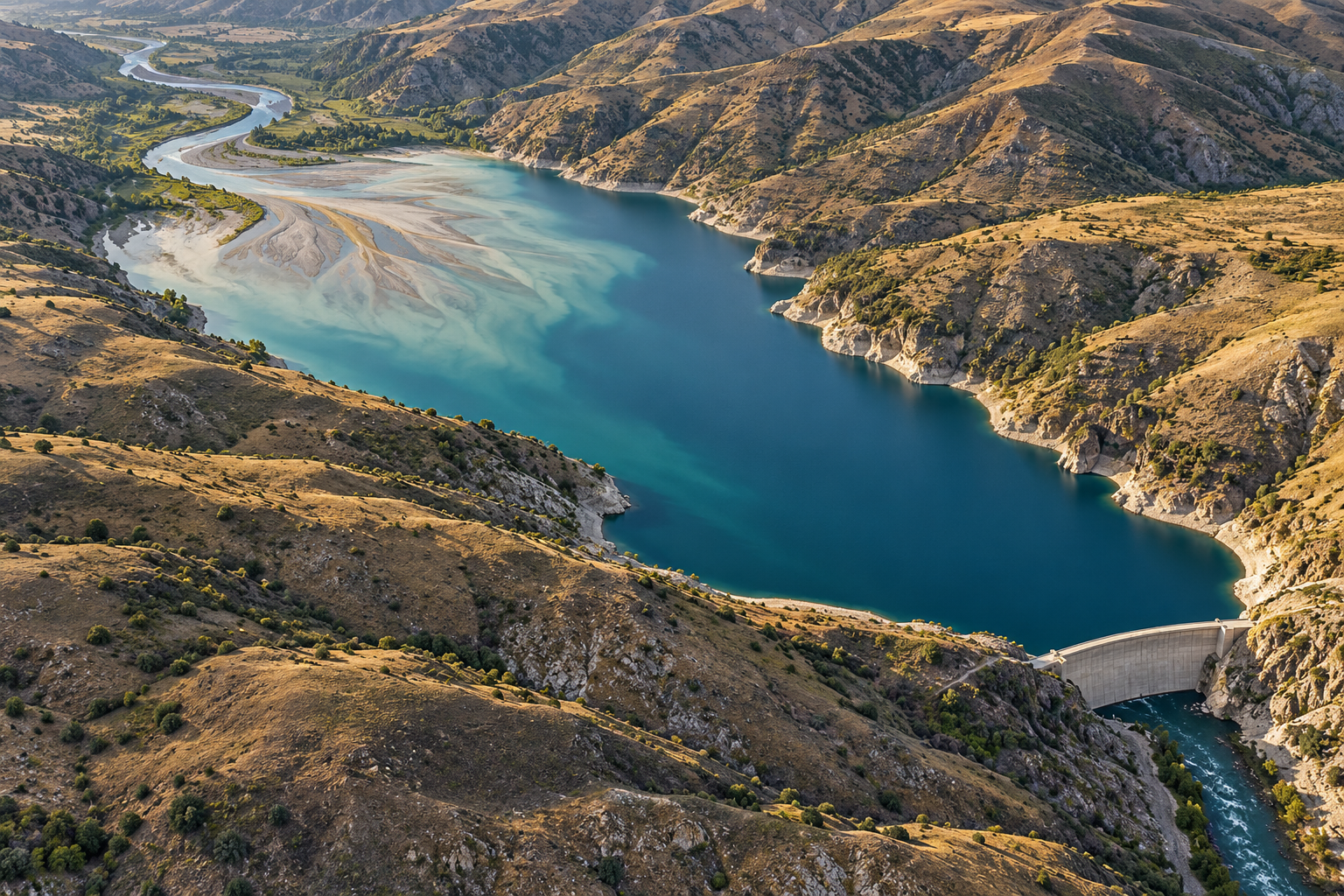
A reservoir slows a river enough to store sand, gravel and silt. That deposit takes up water-storage space and changes the supply reaching channels and coasts downstream; surveys show why the outcome differs from one dam to another.
A round pebble has met other surfaces, but its smoothness is no odometer. Rock type, broken edges, intermittent floods and recycled gravel complicate the journey it seems to show.
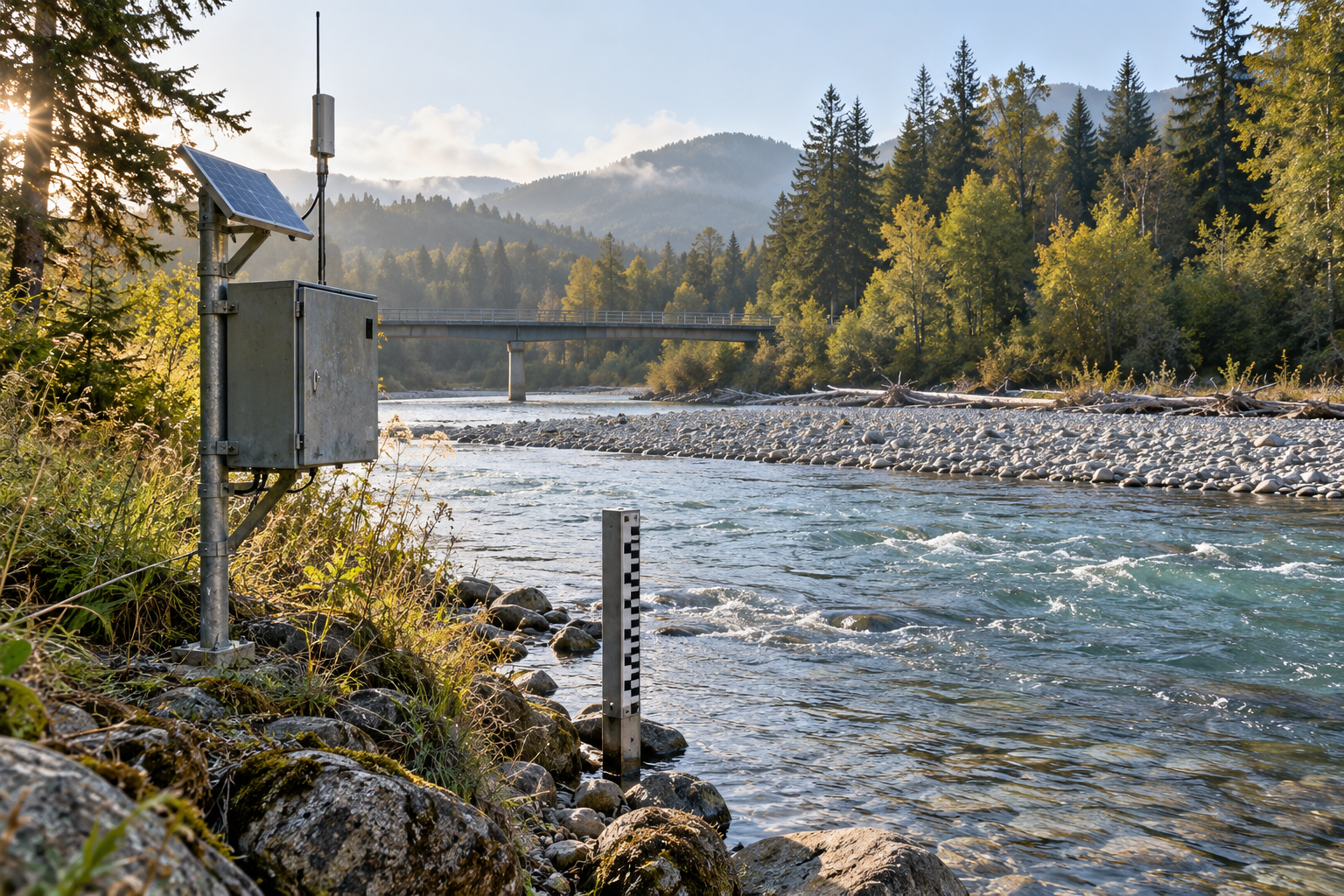
A streamflow graph depends on field measurements and a changing relationship between height and discharge. Floods and ice show why that relationship needs care.