Rivers6 min read
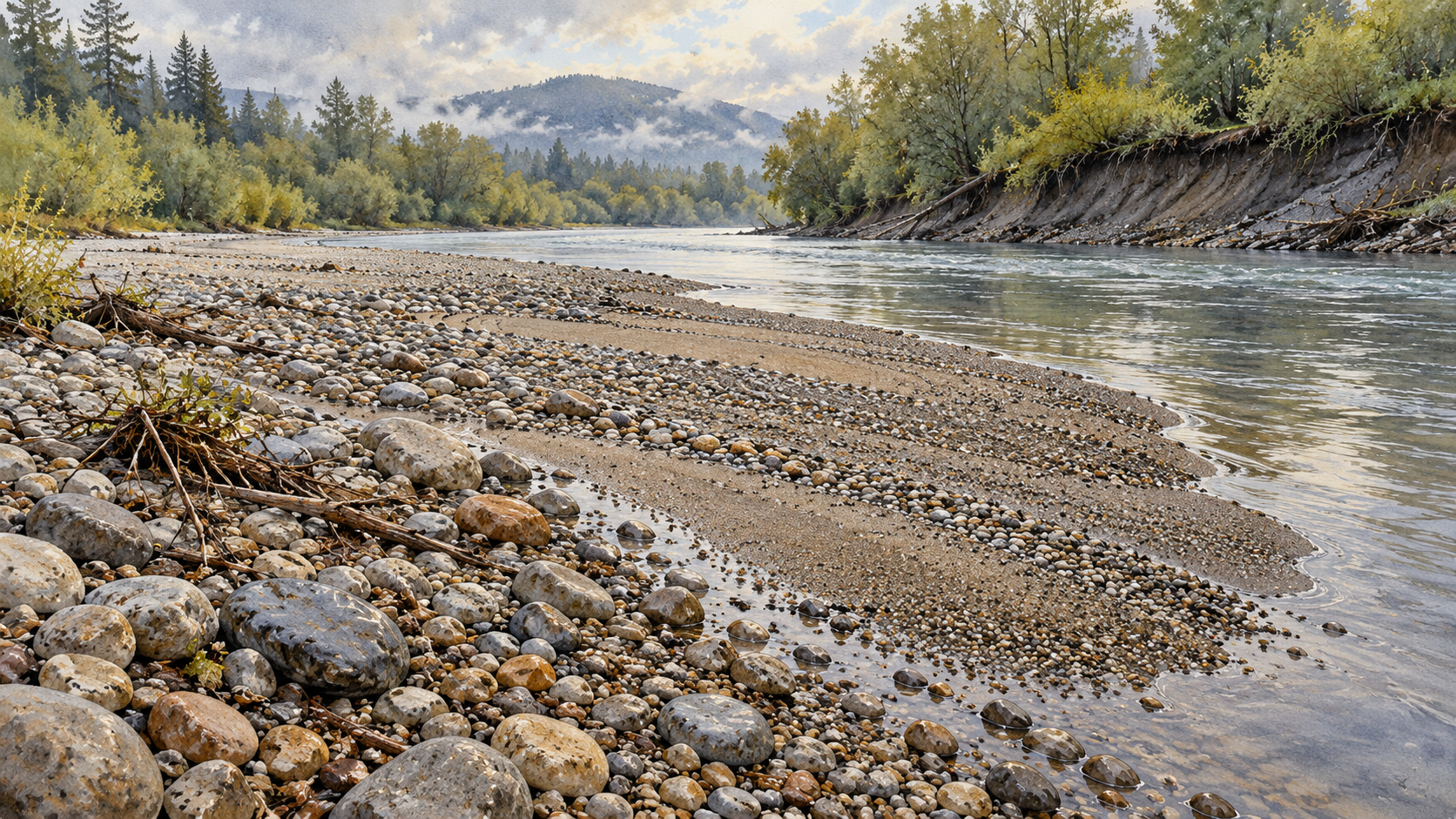
What a gravel bar records after a flood
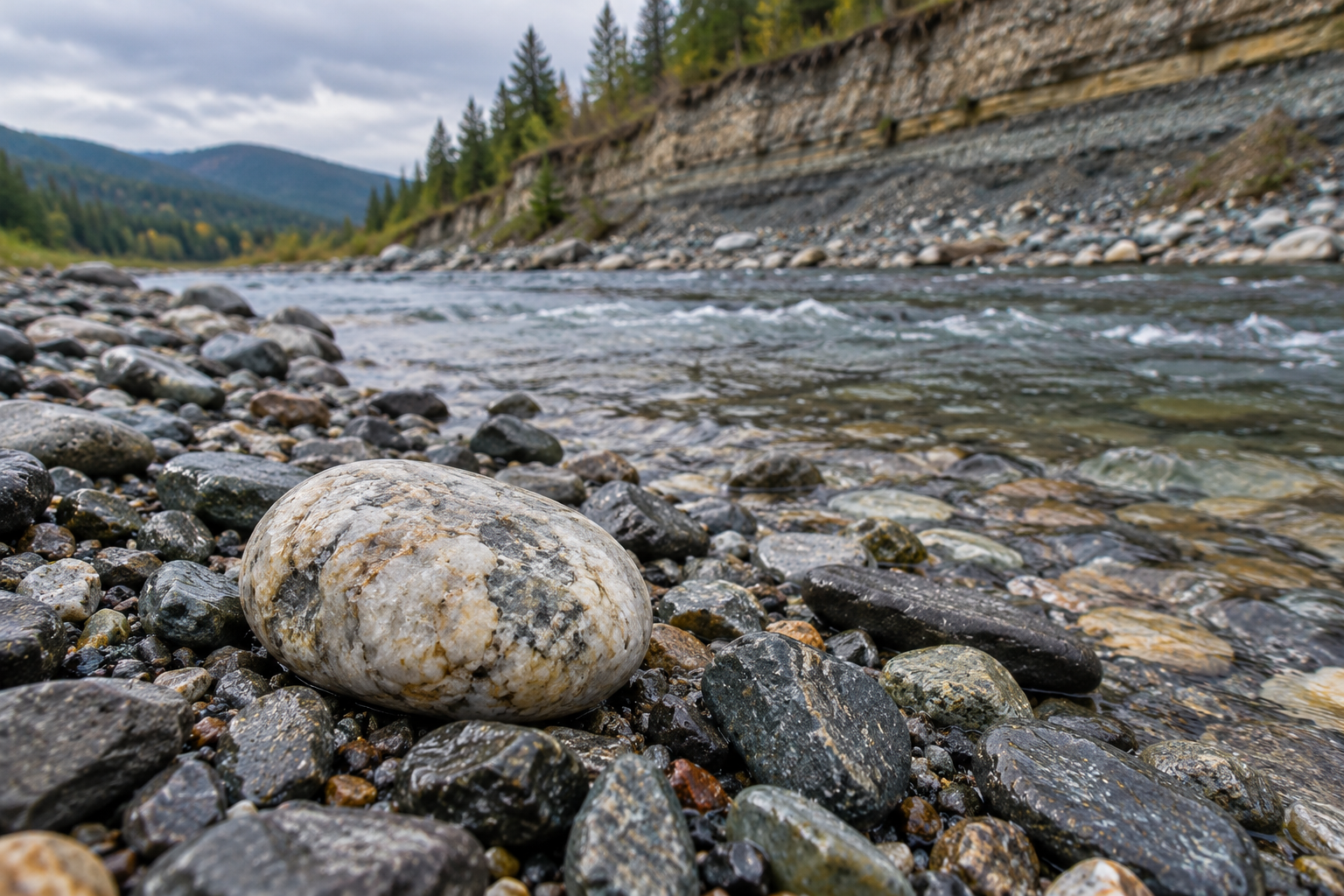
An exposed gravel bar holds traces of material carried, deposited and left in place. Its stones tell a fuller flood story when read with the river's earlier shape and flow record.
A little inspiration. A new way of seeing.
Discover thoughtful stories from people
with something to say.
For the endlessly curious.
Read widely, at your own pace.
5 stories found Clear filters ↗
An exposed gravel bar holds traces of material carried, deposited and left in place. Its stones tell a fuller flood story when read with the river's earlier shape and flow record.
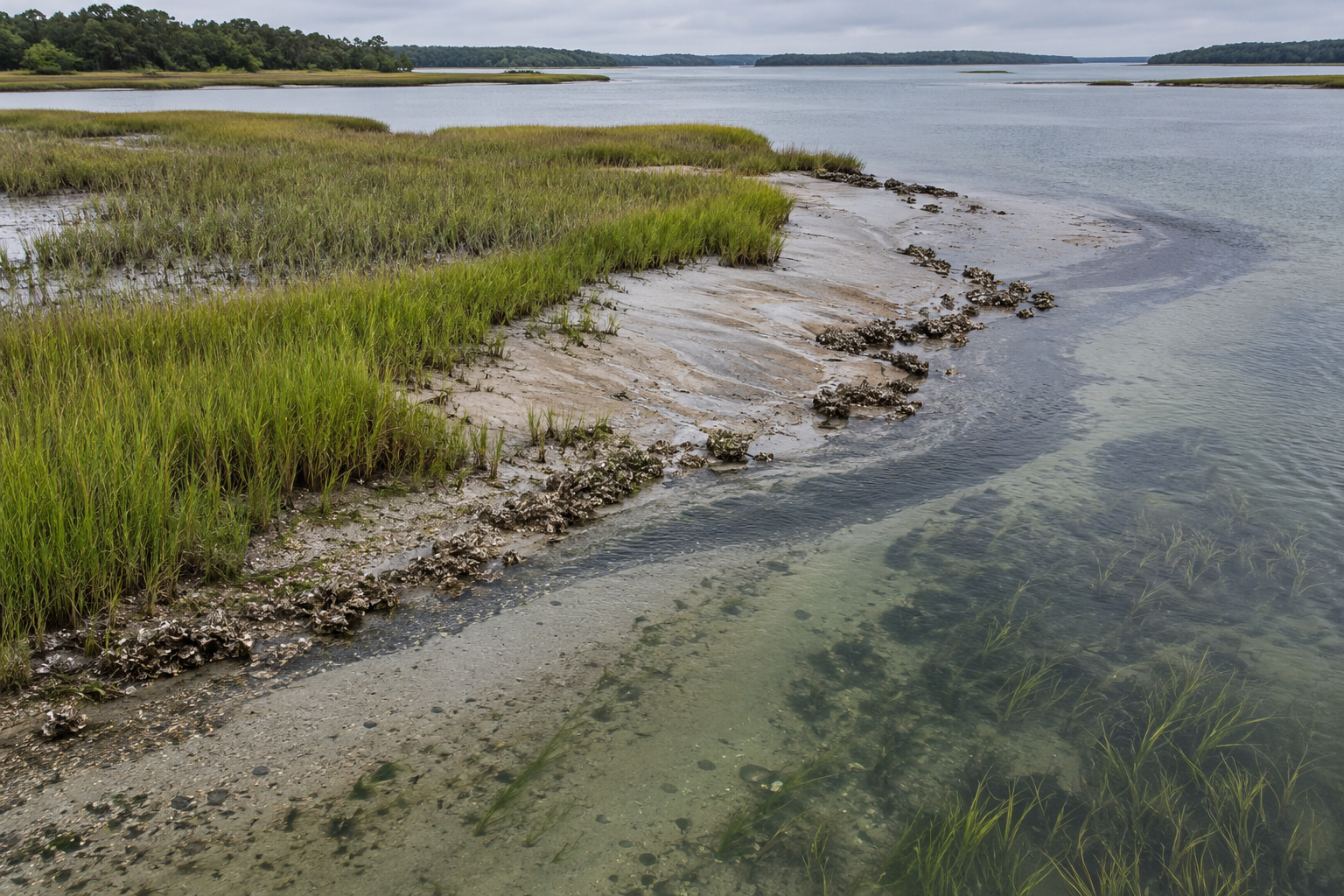
A planted shore survives by more than holding its edge. Its marsh needs a continuing balance of incoming, trapped and lost sediment, measured across the whole coastal margin.
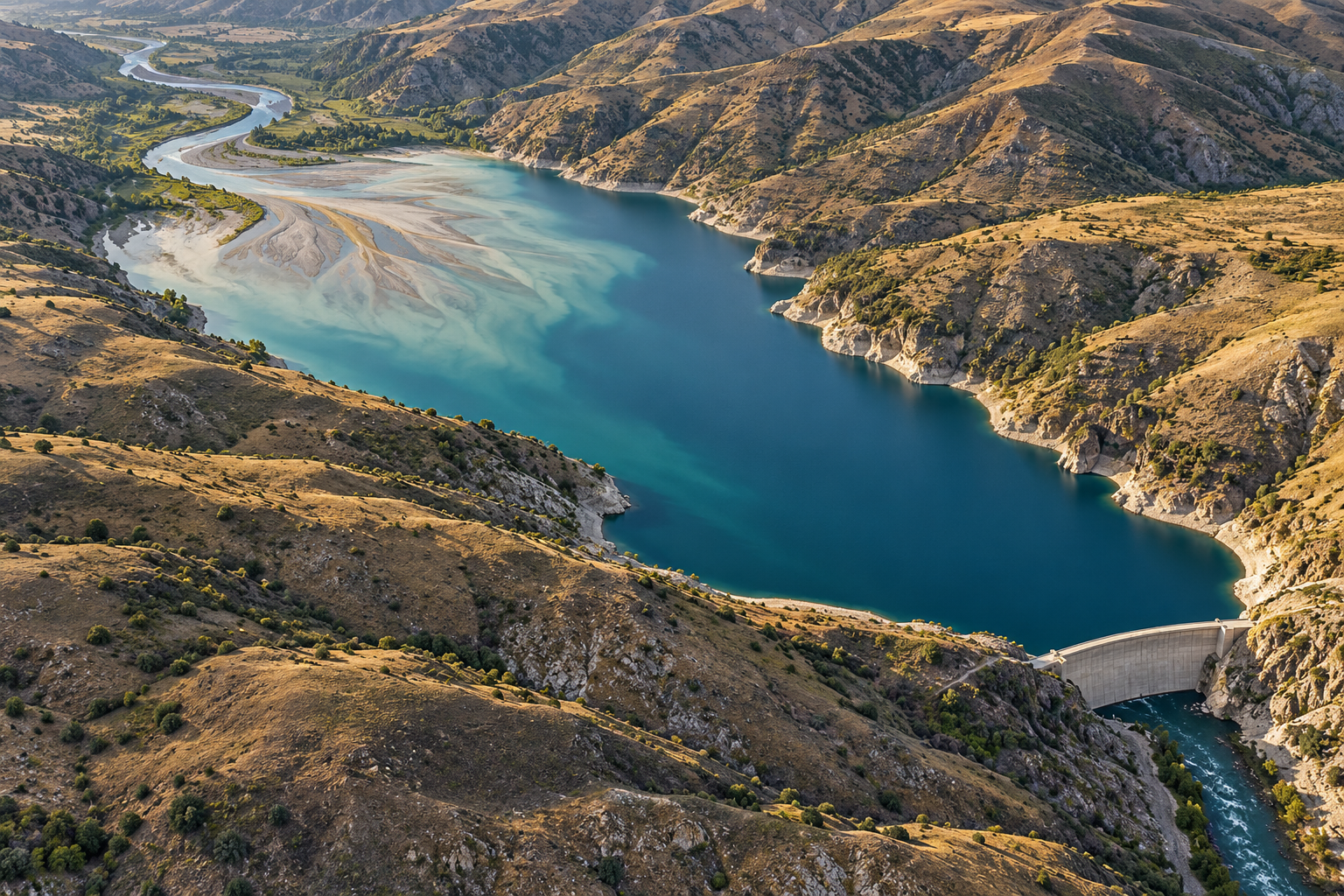
A reservoir slows a river enough to store sand, gravel and silt. That deposit takes up water-storage space and changes the supply reaching channels and coasts downstream; surveys show why the outcome differs from one dam to another.
A round pebble has met other surfaces, but its smoothness is no odometer. Rock type, broken edges, intermittent floods and recycled gravel complicate the journey it seems to show.
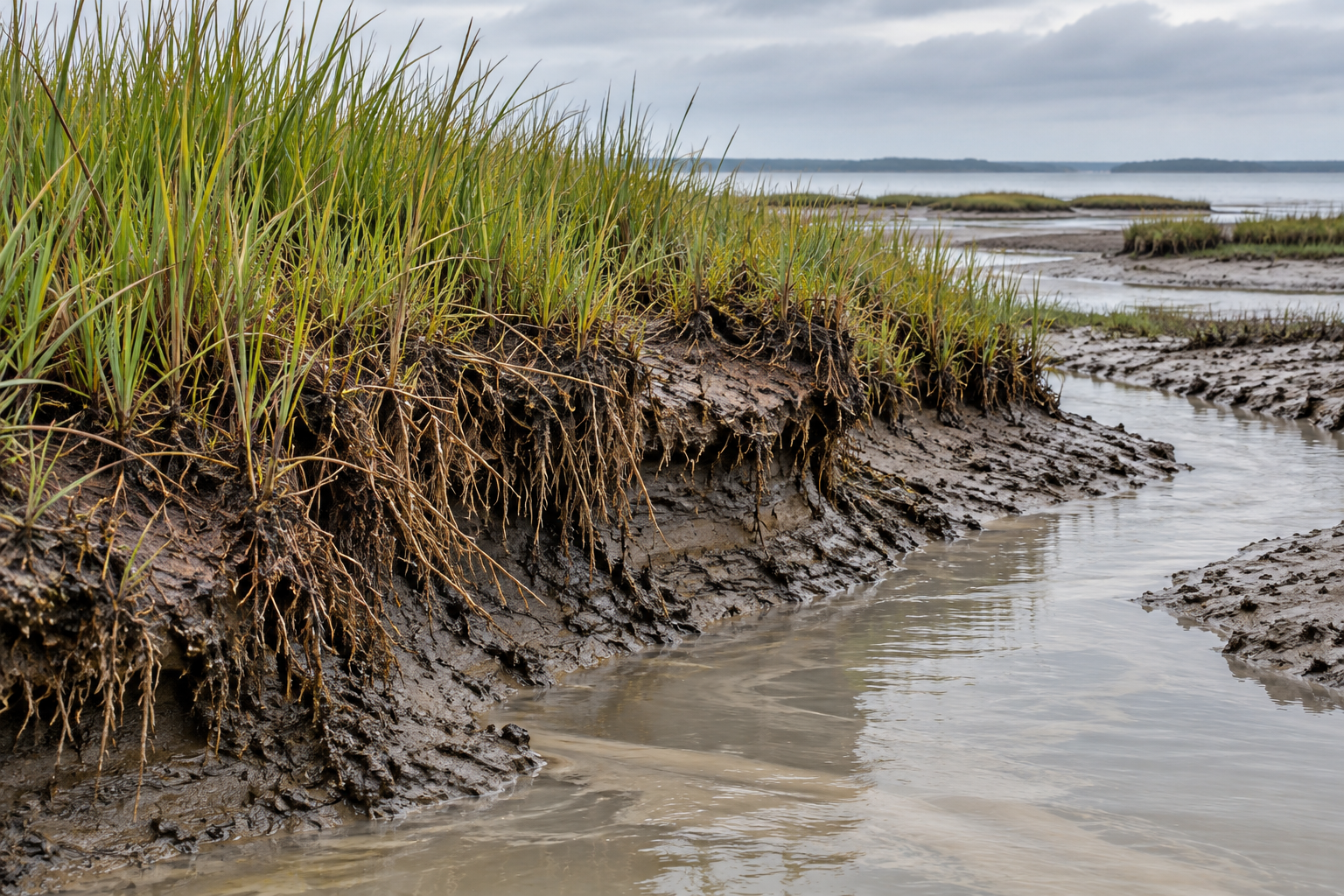
A marsh gathers sediment from the tide and builds soil with roots. Measuring the new layer alone can miss whether the ground itself is gaining height.