Railways6 min read
What ballast does beneath the sleepers
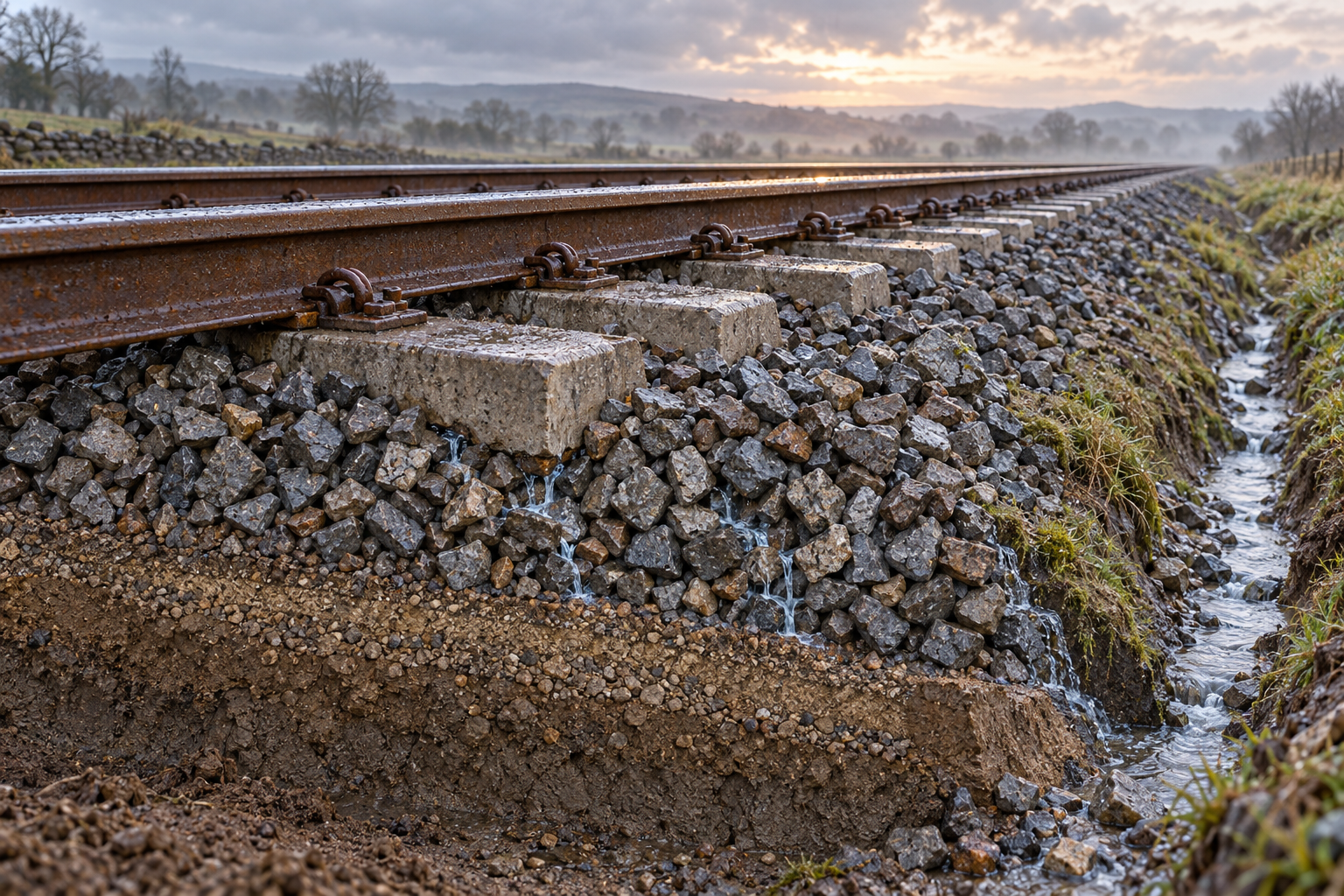
The crushed stone under a railway sleeper must hold the track in place while leaving water a way out. Its condition can change a line's geometry long before the rail itself wears out.
A little inspiration. A new way of seeing.
Discover thoughtful stories from people
with something to say.
For the endlessly curious.
Read widely, at your own pace.
21 stories found Clear filters ↗
The crushed stone under a railway sleeper must hold the track in place while leaving water a way out. Its condition can change a line's geometry long before the rail itself wears out.
Indigo enters a vat in one chemical form and leaves the air as another. The depth at which its blue settles helps explain denim's colour, wool's different response, and the marks of wear.
Rembrandt’s impressions reveal how burr, ink, support, and revision make repetition a way of noticing difference.
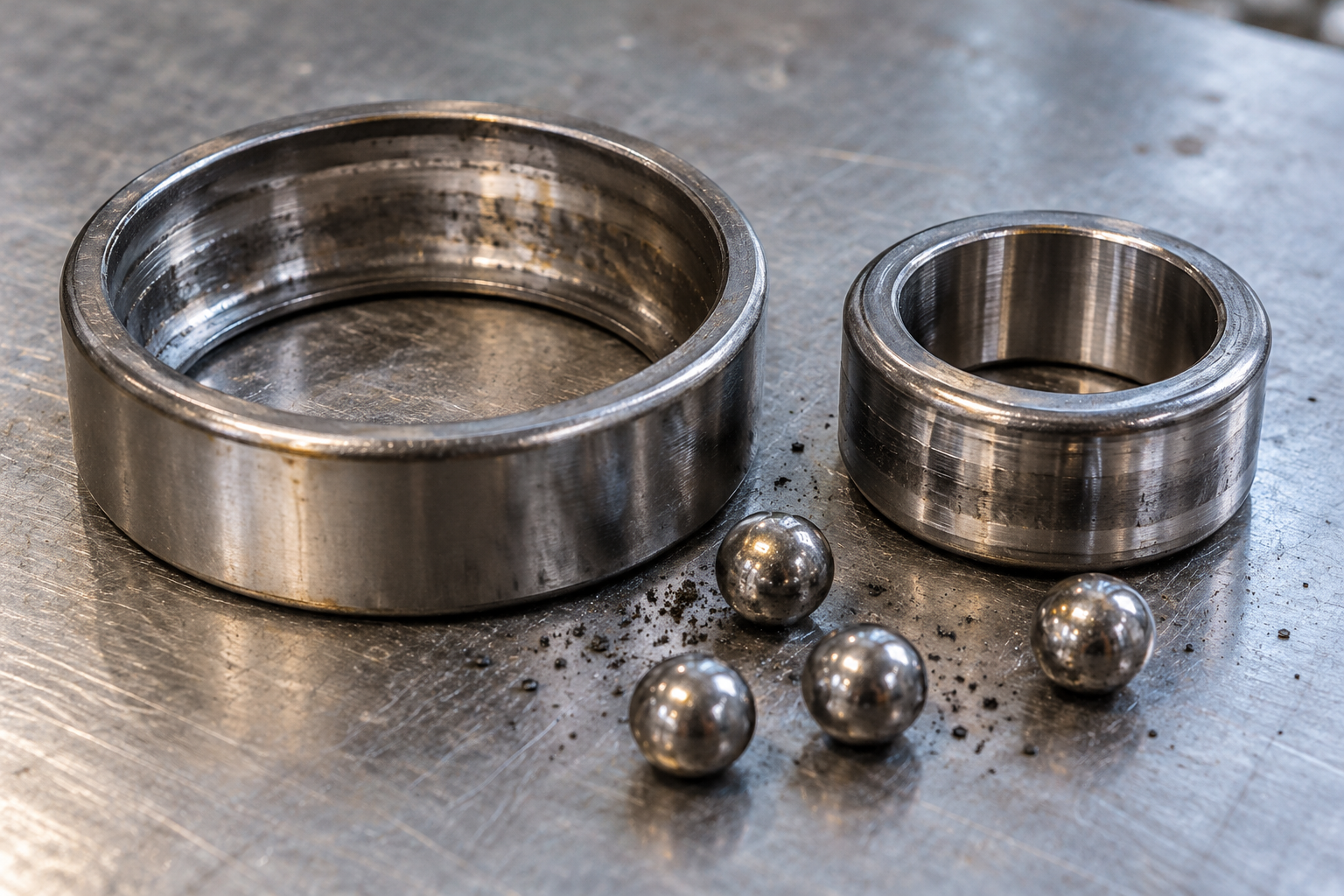
The marks inside a rolling bearing can preserve clues about load, water, dirt, vibration, current and mounting. They become useful when read with the machine's history, its lubricant and the parts that held the bearing in place.
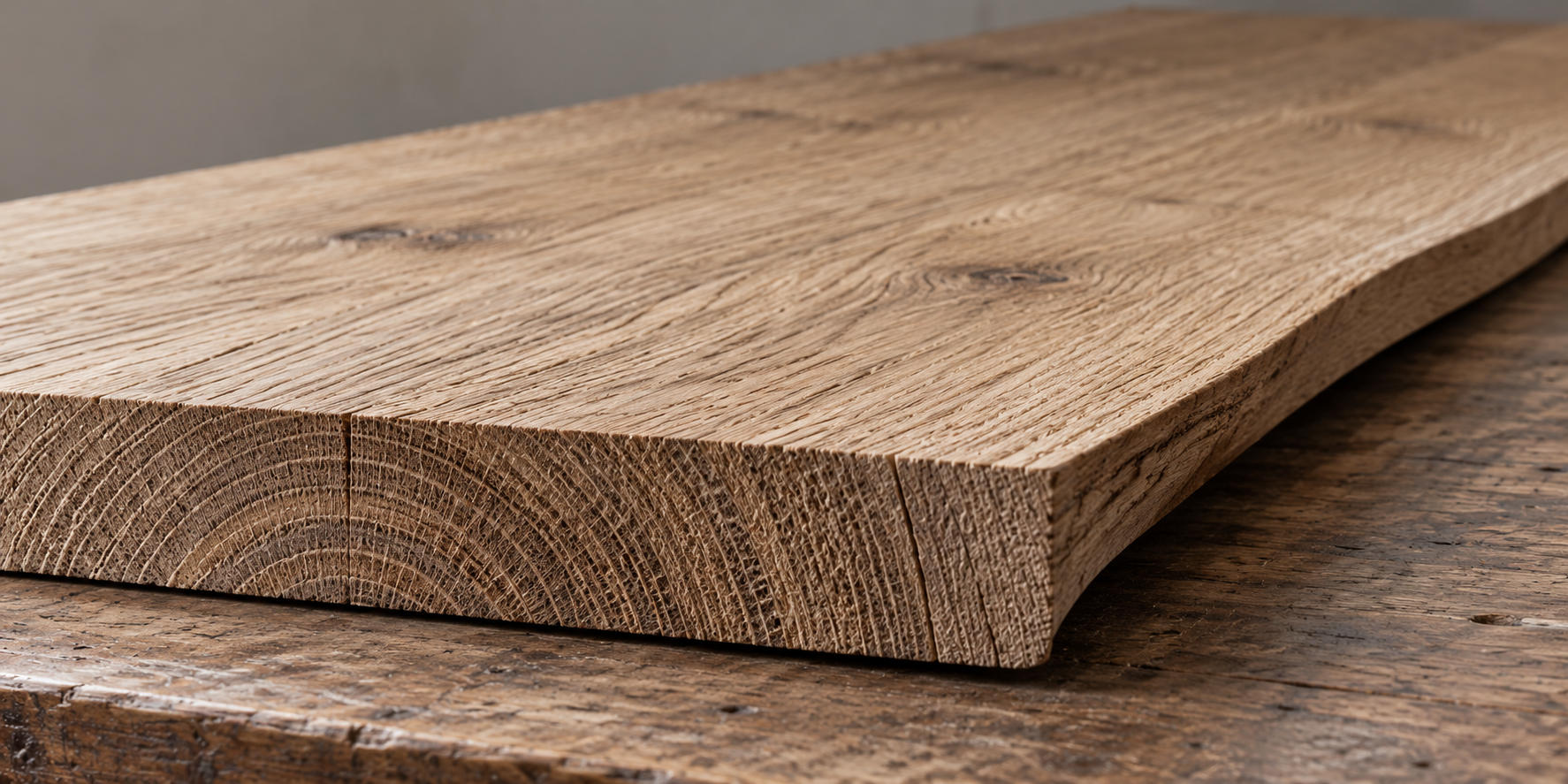
A dry board still trades water with the air. Where that water sits, and how quickly each face responds, determines whether the wood widens, bends, or cracks.
Old panes bend reflected rooflines and transmitted views because their surfaces remember how they were made. Thickness, tint, and newer float glass reveal different parts of the light story.
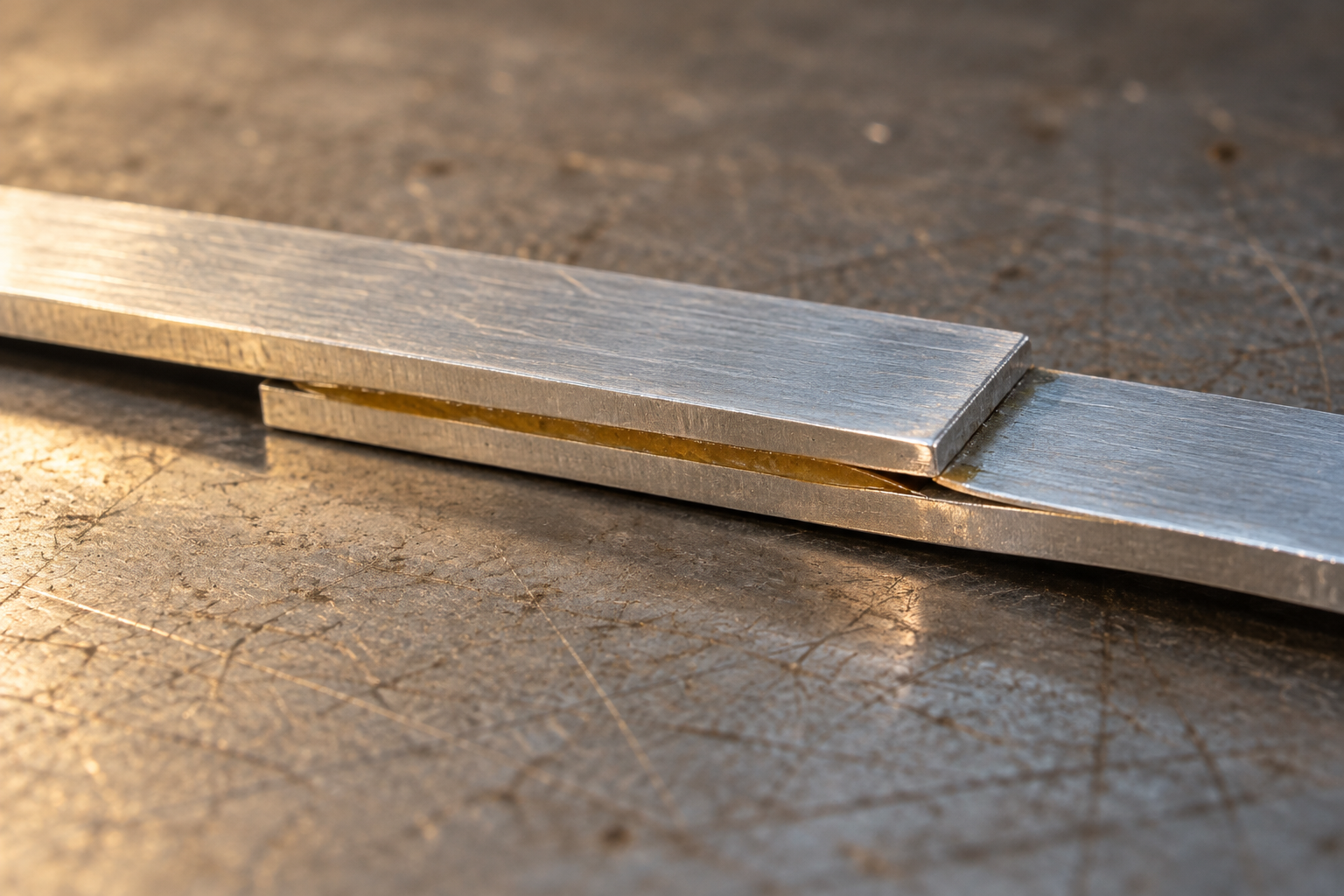
A broad glued overlap can concentrate force near its ends. Shear, bending and peel can start a crack in the adhesive or the material beside it; experiments show why total bond area alone is a poor strength test.
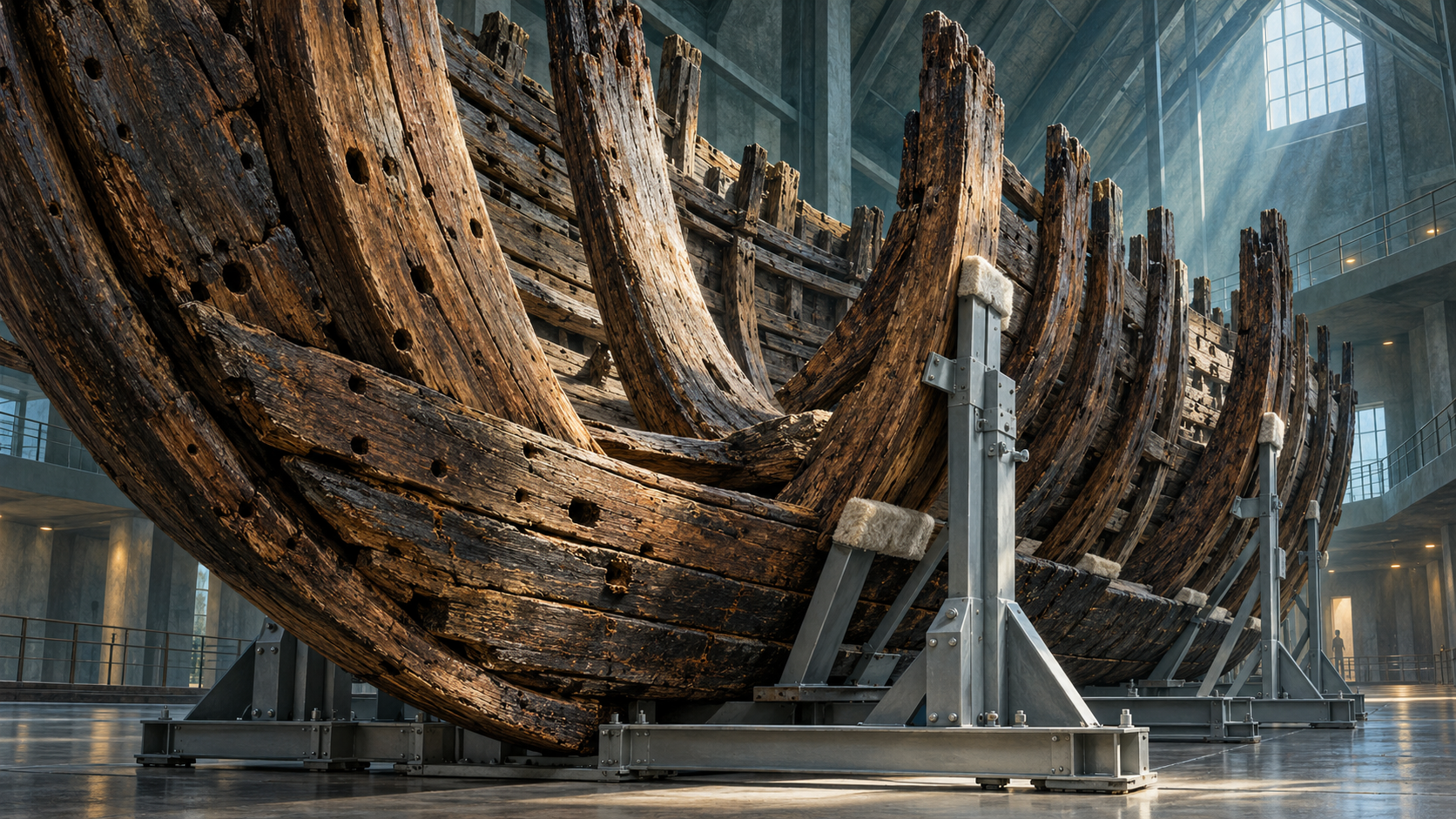
Vasa’s treatment history shows how conserving a ship can require new materials, better climate control, replacement bolts, and a willingness to revisit an earlier solution.
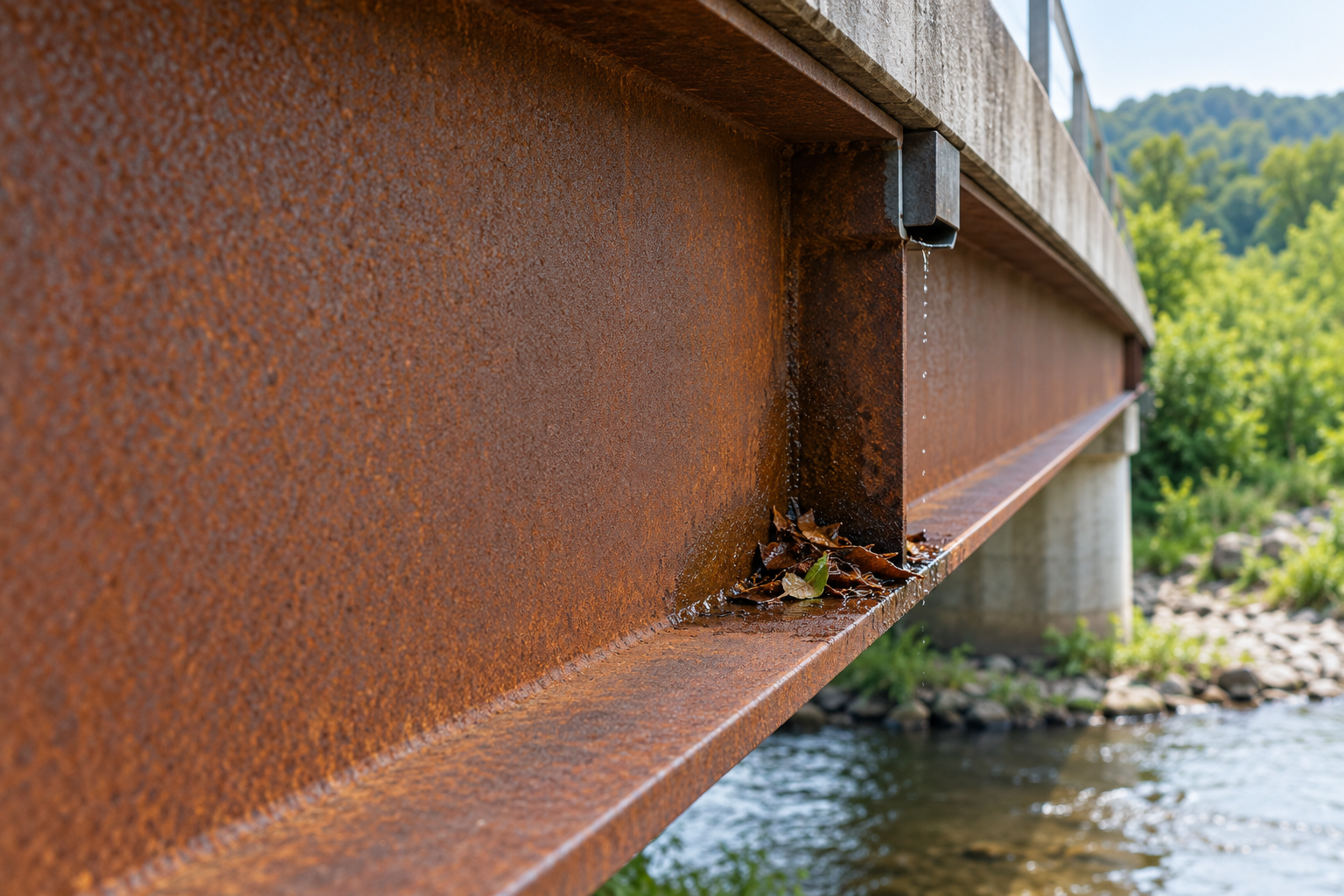
Weathering steel depends on a close-fitting rust layer formed through wet and dry cycles. Where salts, leaks and debris keep a bridge wet, the same brown surface can conceal continuing metal loss.