Railways6 min read
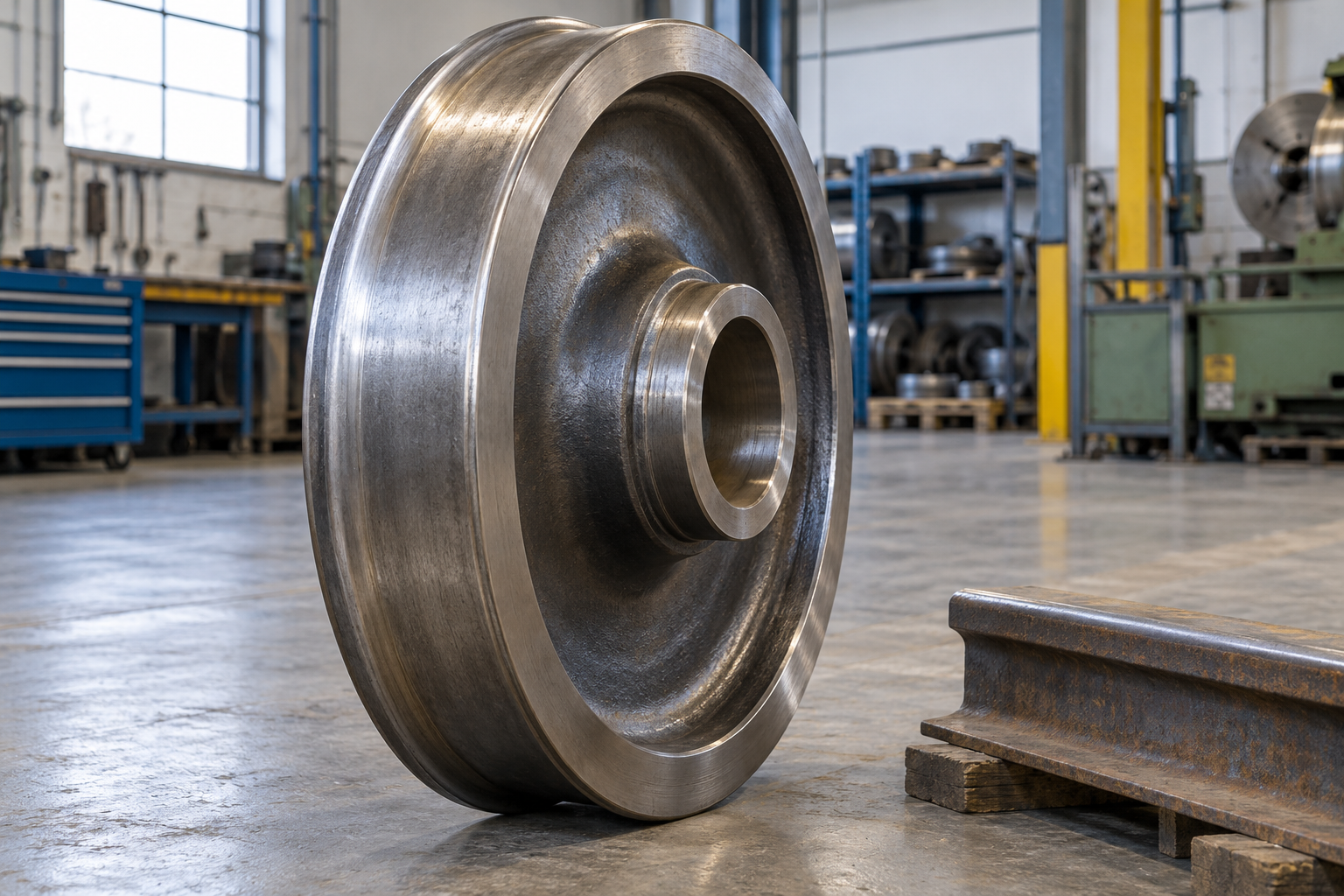
The shape of a quiet railway wheel
A wheel's web moves its vibration modes, but roughness at the wheel-rail contact and the demands of strength and weight decide whether a quieter shape works in service.
A little inspiration. A new way of seeing.
Discover thoughtful stories from people
with something to say.
For the endlessly curious.
Read widely, at your own pace.
5 stories found Clear filters ↗
A wheel's web moves its vibration modes, but roughness at the wheel-rail contact and the demands of strength and weight decide whether a quieter shape works in service.
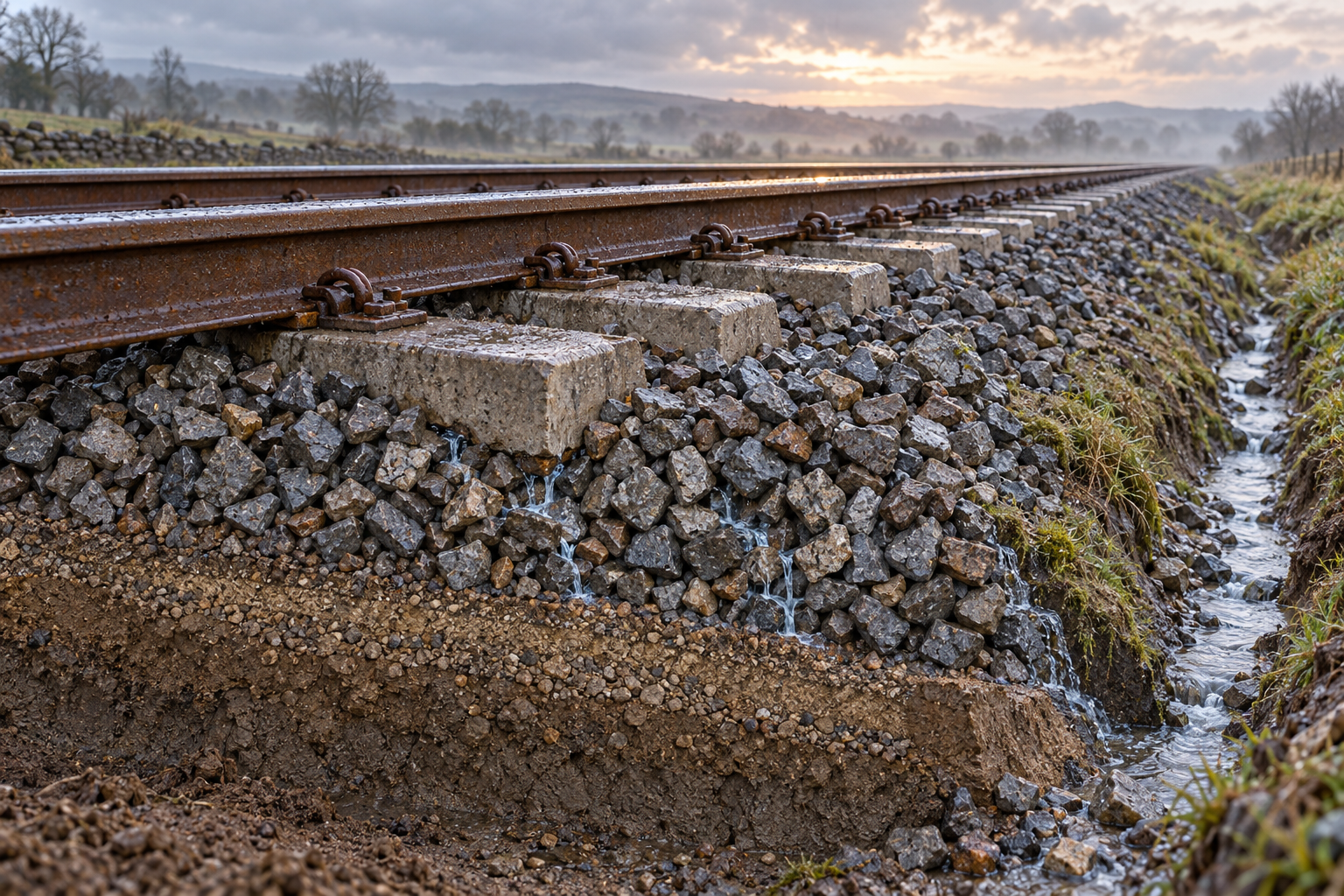
The crushed stone under a railway sleeper must hold the track in place while leaving water a way out. Its condition can change a line's geometry long before the rail itself wears out.
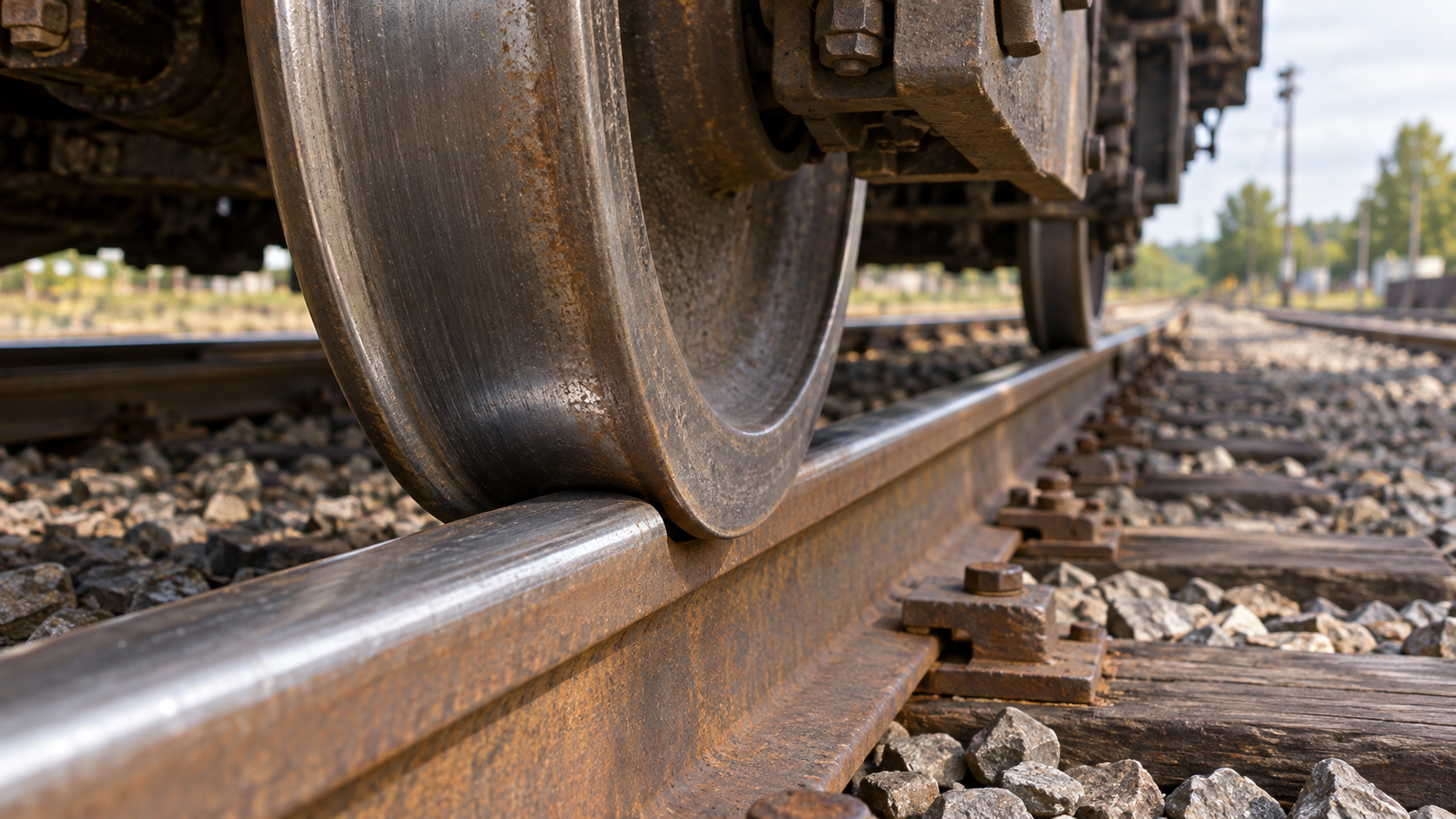
A railway wheel does more than roll. Its tread meets the rail at changing radii, while its flange waits beside the rail; together with the fixed axle, those shapes help a train follow curves and stay stable on straight track.
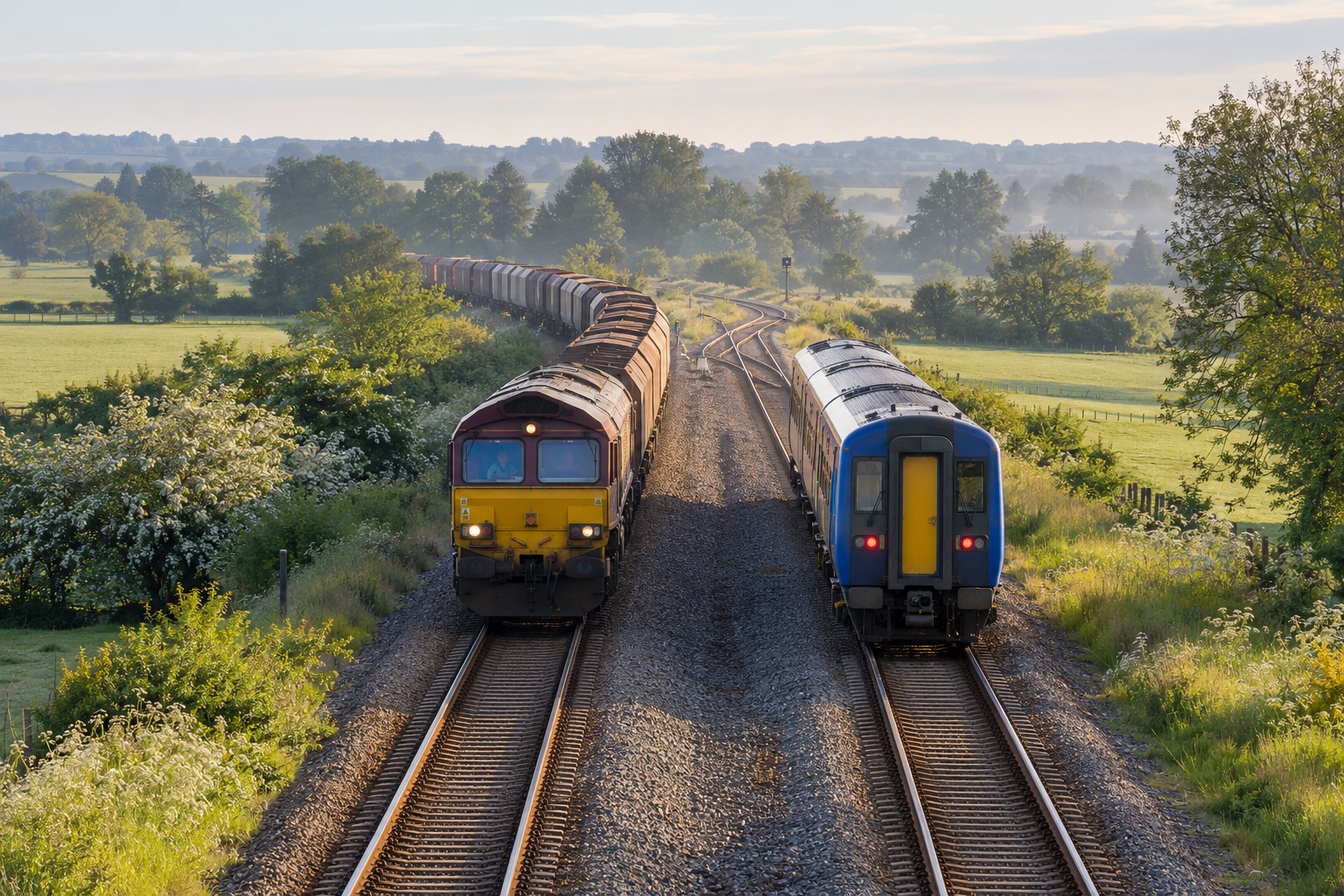
A passing loop is a brief stretch of double track on a single-track railway. Its location and length decide where trains can meet, how timetables fit together, and how delays spread.
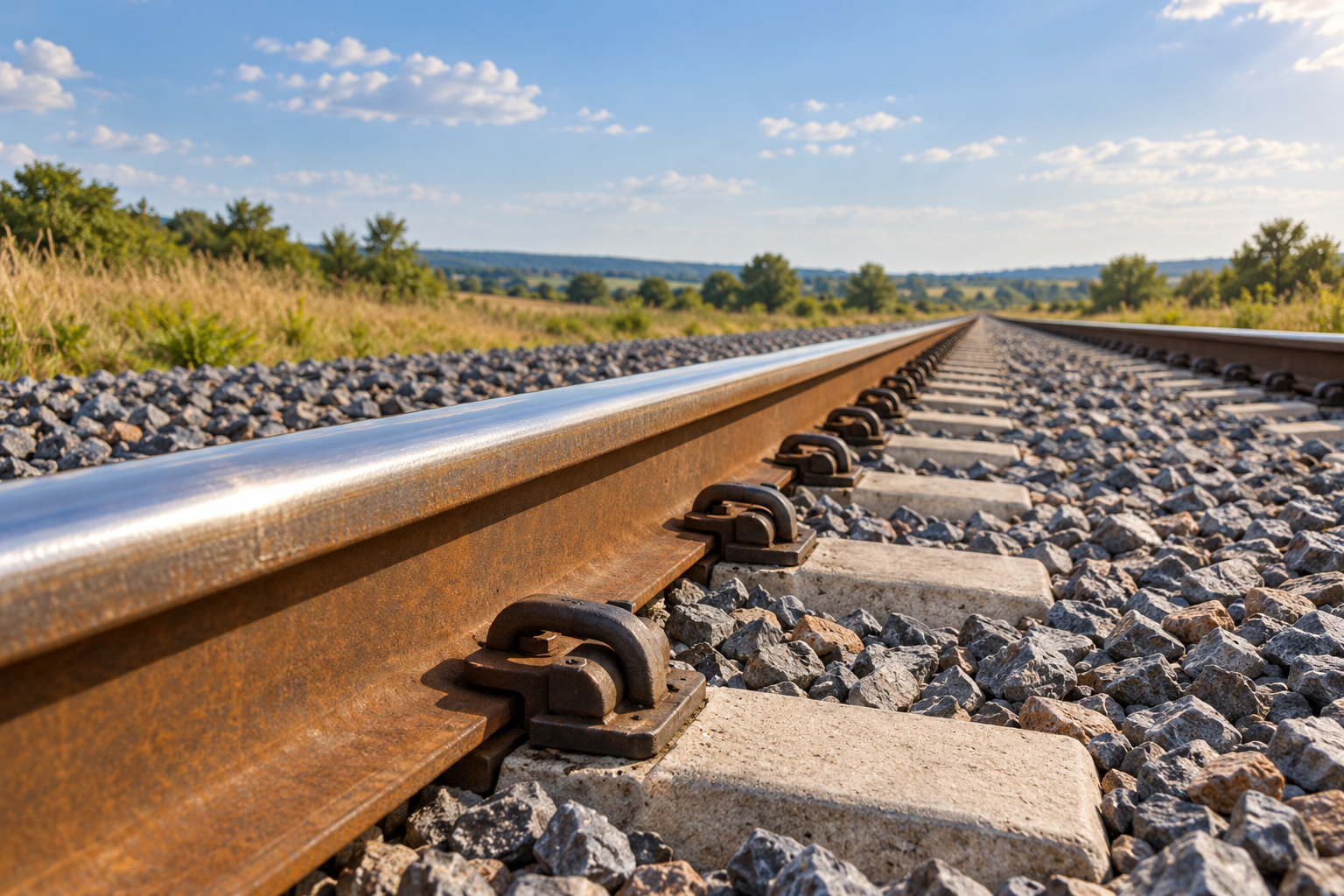
Long welded rails have few expansion gaps. Their summer margin lies in a chosen neutral temperature and in the fastenings, sleepers and ballast that hold them straight.