Railways6 min read
The shape of a quiet railway wheel
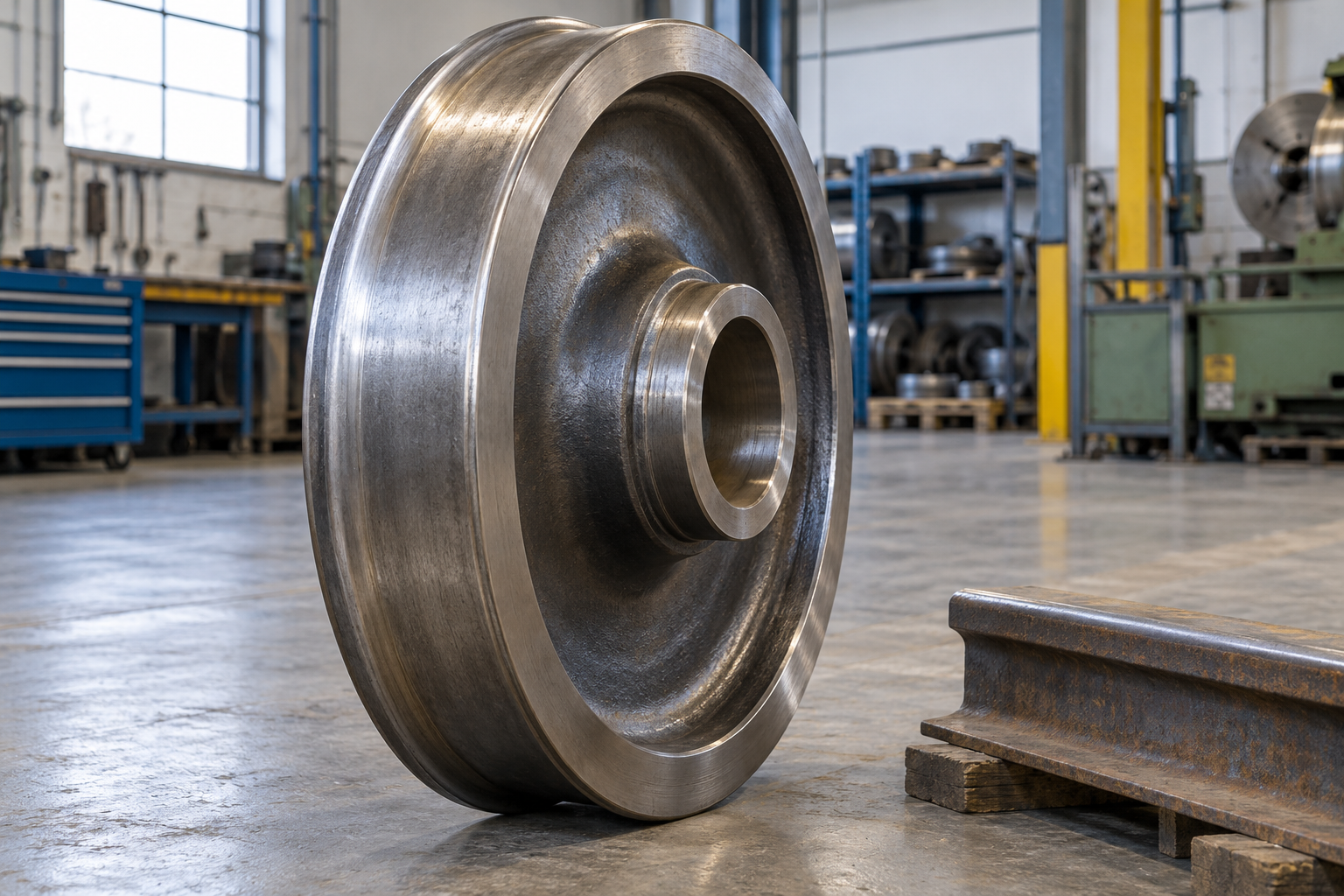
A wheel's web moves its vibration modes, but roughness at the wheel-rail contact and the demands of strength and weight decide whether a quieter shape works in service.
A little inspiration. A new way of seeing.
Discover thoughtful stories from people
with something to say.
For the endlessly curious.
Read widely, at your own pace.
3 stories found Clear filters ↗
A wheel's web moves its vibration modes, but roughness at the wheel-rail contact and the demands of strength and weight decide whether a quieter shape works in service.
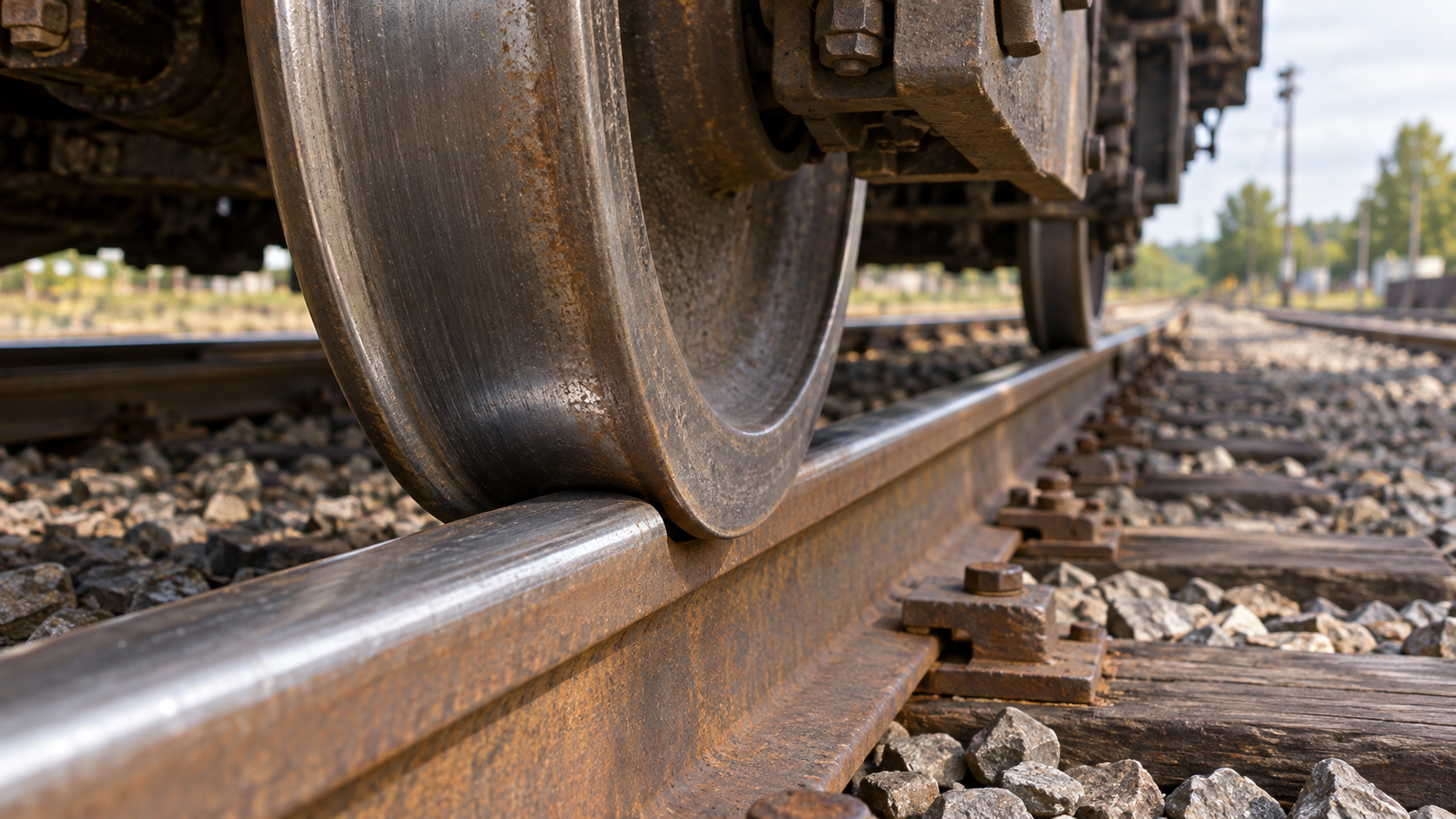
A railway wheel does more than roll. Its tread meets the rail at changing radii, while its flange waits beside the rail; together with the fixed axle, those shapes help a train follow curves and stay stable on straight track.
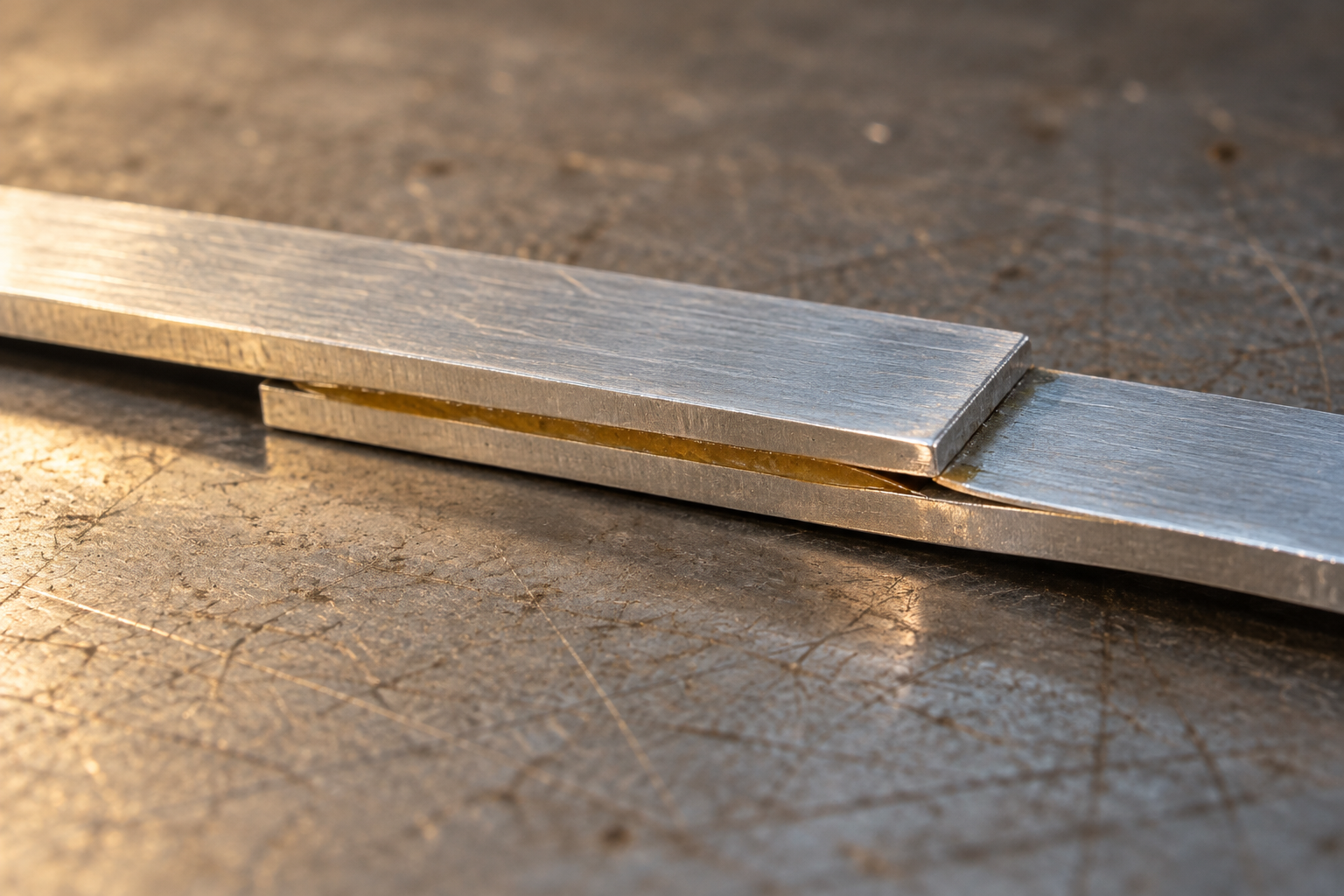
A broad glued overlap can concentrate force near its ends. Shear, bending and peel can start a crack in the adhesive or the material beside it; experiments show why total bond area alone is a poor strength test.