How corrosion finds two different metals
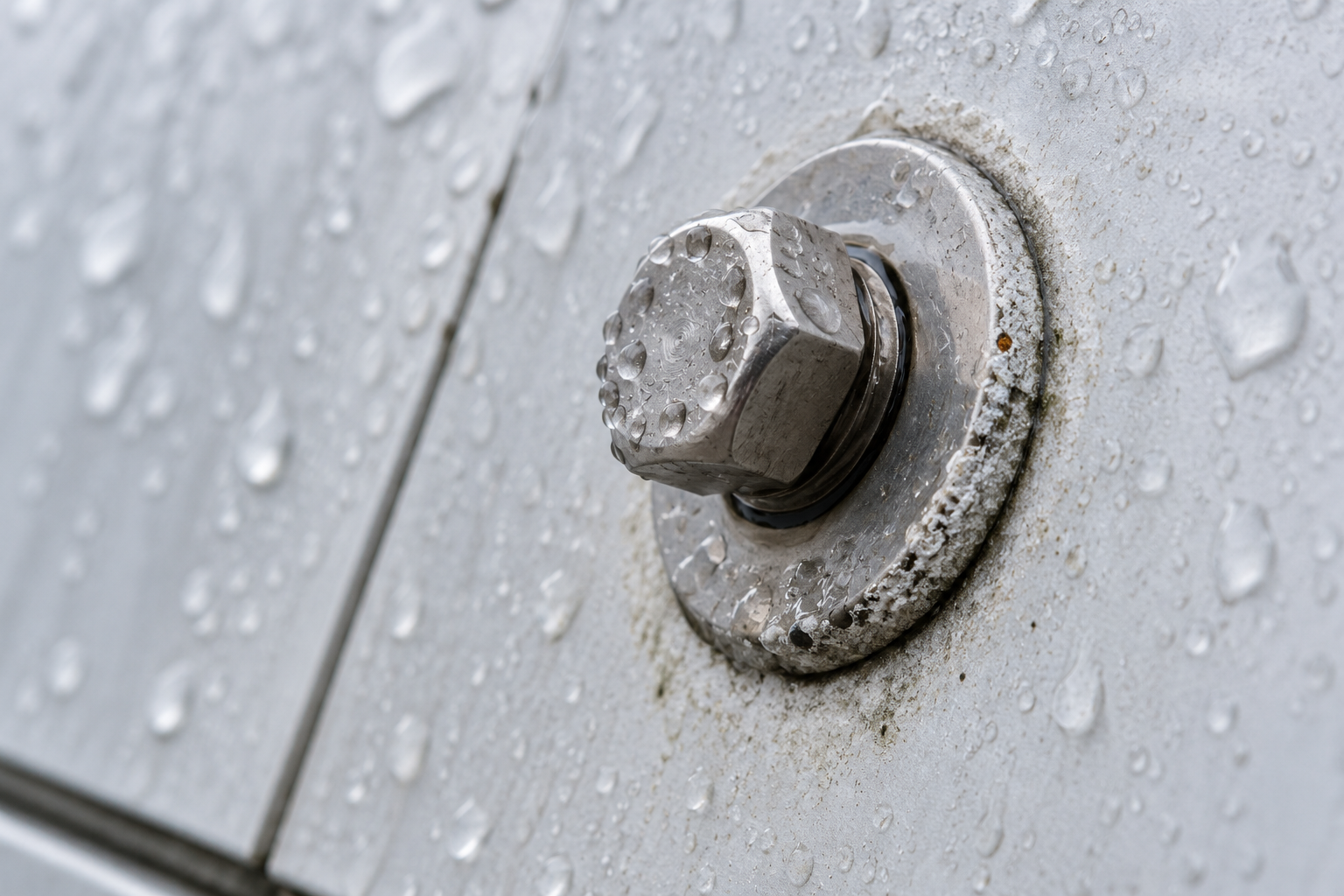
At an aluminium and stainless-steel joint, corrosion follows a circuit of metal contact and moisture. The shape of the joint, its coatings and the way it dries determine what a lasting repair must address.
A little inspiration. A new way of seeing.
Discover thoughtful stories from people
with something to say.
For the endlessly curious.
Read widely, at your own pace.
4 stories found Clear filters ↗
At an aluminium and stainless-steel joint, corrosion follows a circuit of metal contact and moisture. The shape of the joint, its coatings and the way it dries determine what a lasting repair must address.
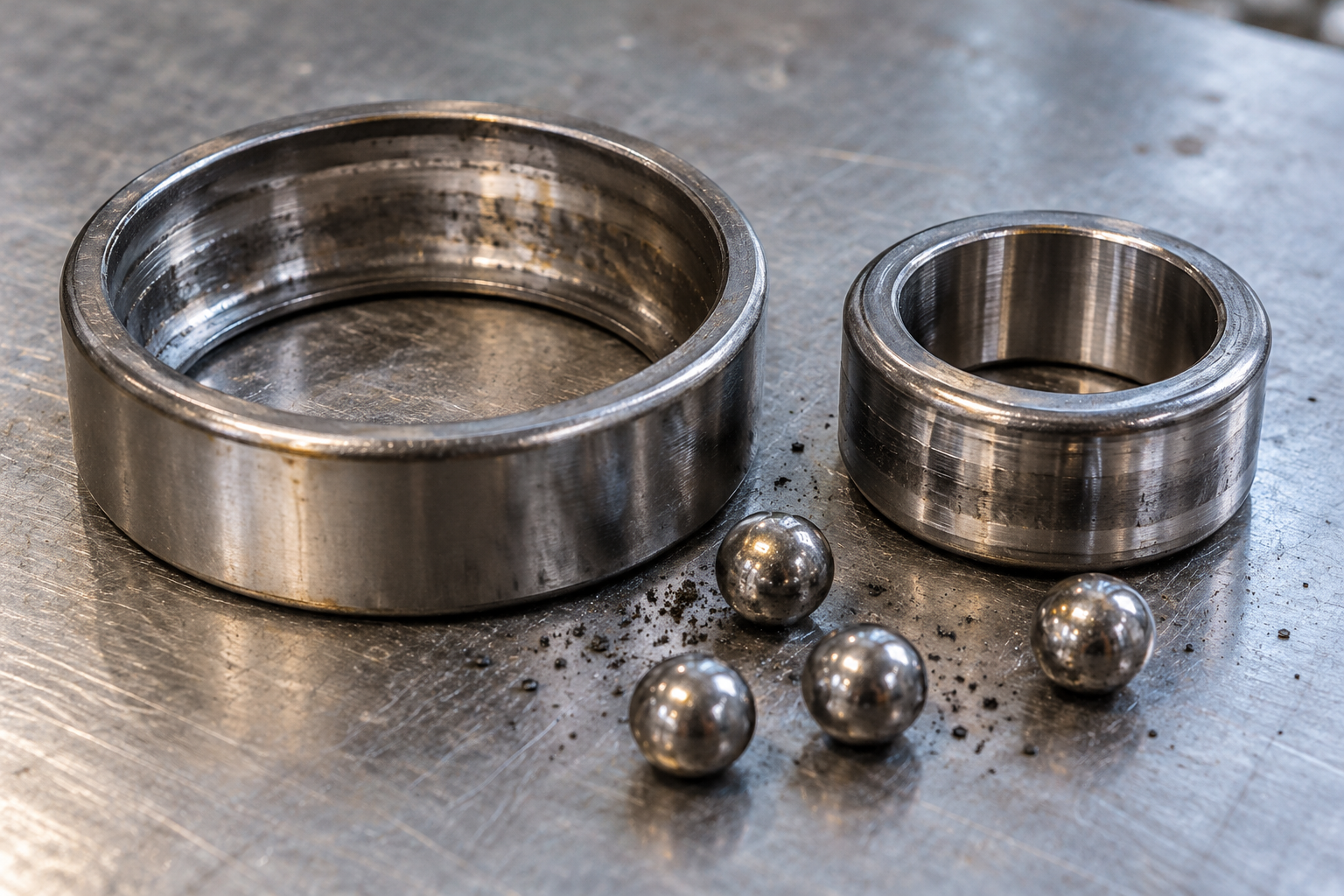
The marks inside a rolling bearing can preserve clues about load, water, dirt, vibration, current and mounting. They become useful when read with the machine's history, its lubricant and the parts that held the bearing in place.
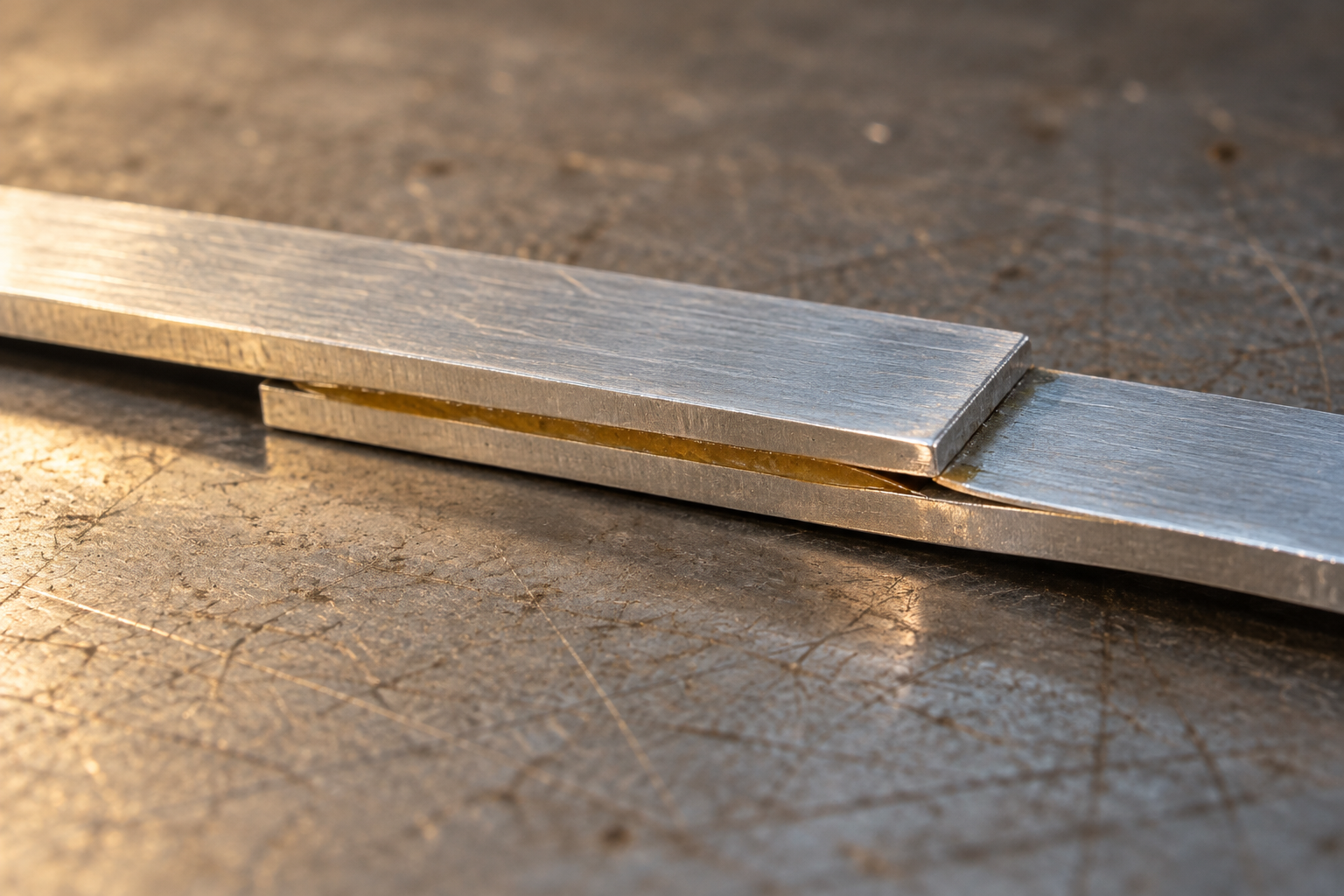
A broad glued overlap can concentrate force near its ends. Shear, bending and peel can start a crack in the adhesive or the material beside it; experiments show why total bond area alone is a poor strength test.
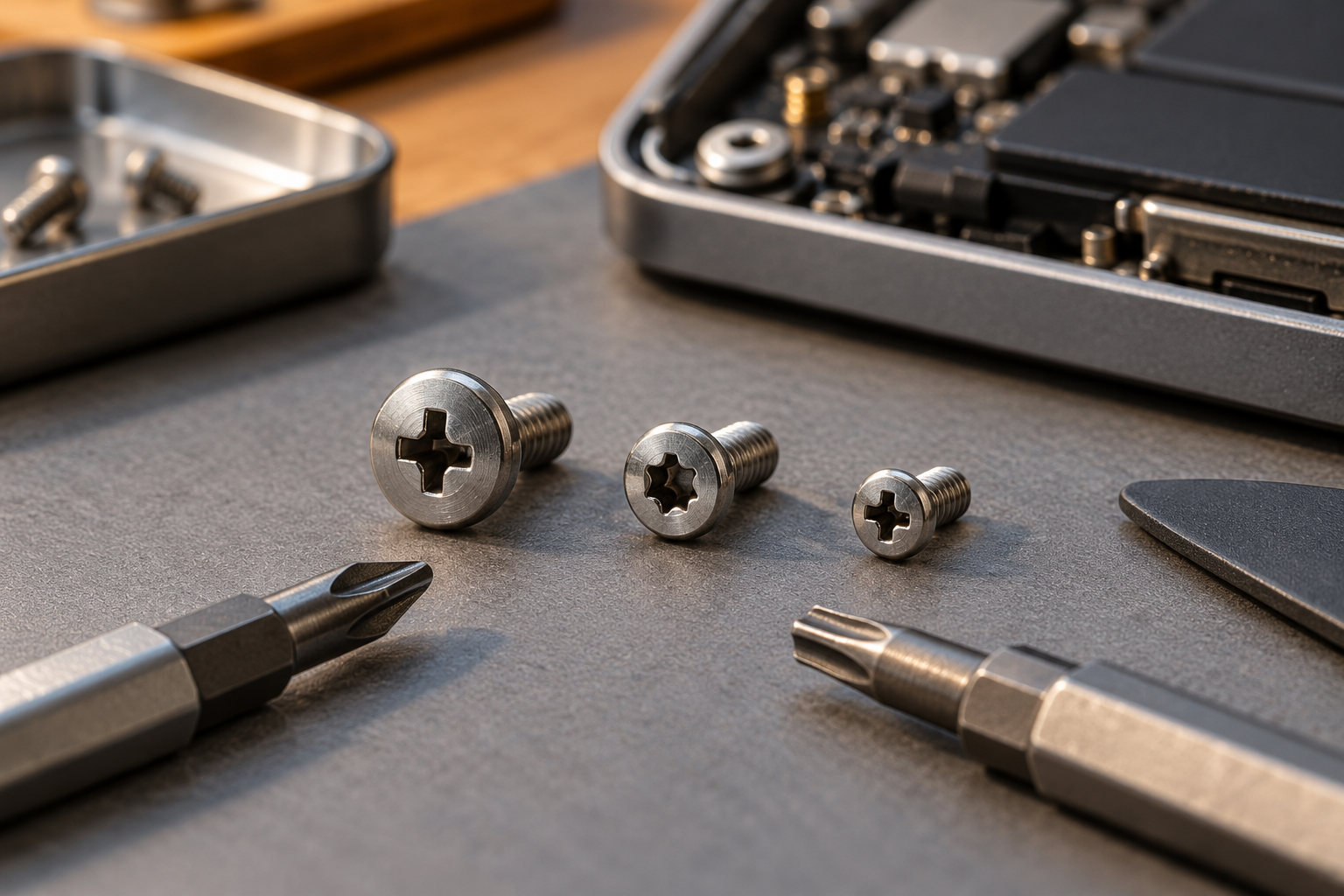
A removable screw still needs the right bit, clear access and an identifiable replacement. The small recess in its head can decide whether a repair begins cleanly.