Design5 min read
Caring for a Deteriorating Plastic Handbag
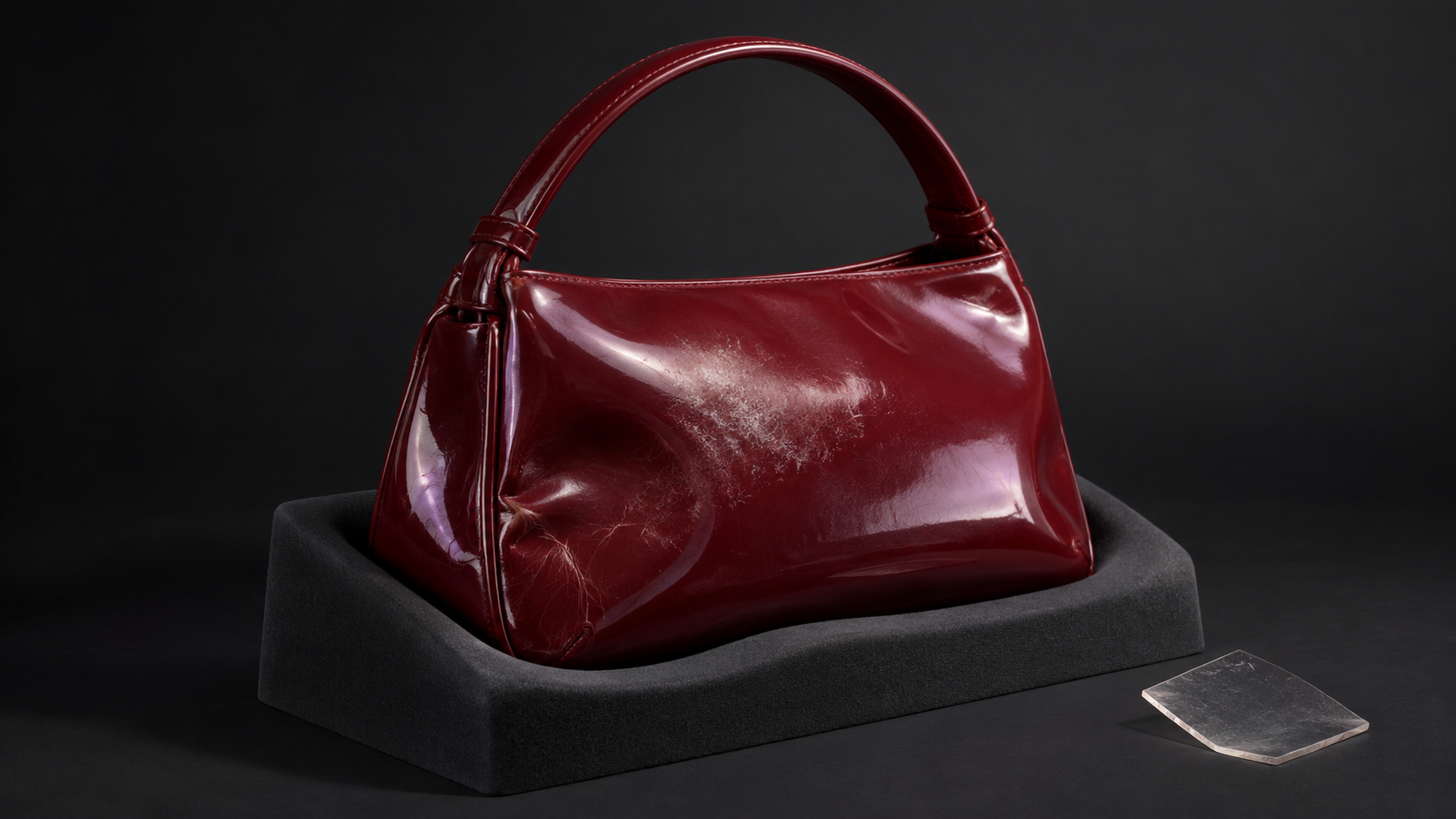
A deteriorating synthetic accessory can hold important evidence. Its care begins by asking whether an ugly surface is dirt, material change, or both.
A little inspiration. A new way of seeing.
Discover thoughtful stories from people
with something to say.
For the endlessly curious.
Read widely, at your own pace.
14 stories found Clear filters ↗
A deteriorating synthetic accessory can hold important evidence. Its care begins by asking whether an ugly surface is dirt, material change, or both.
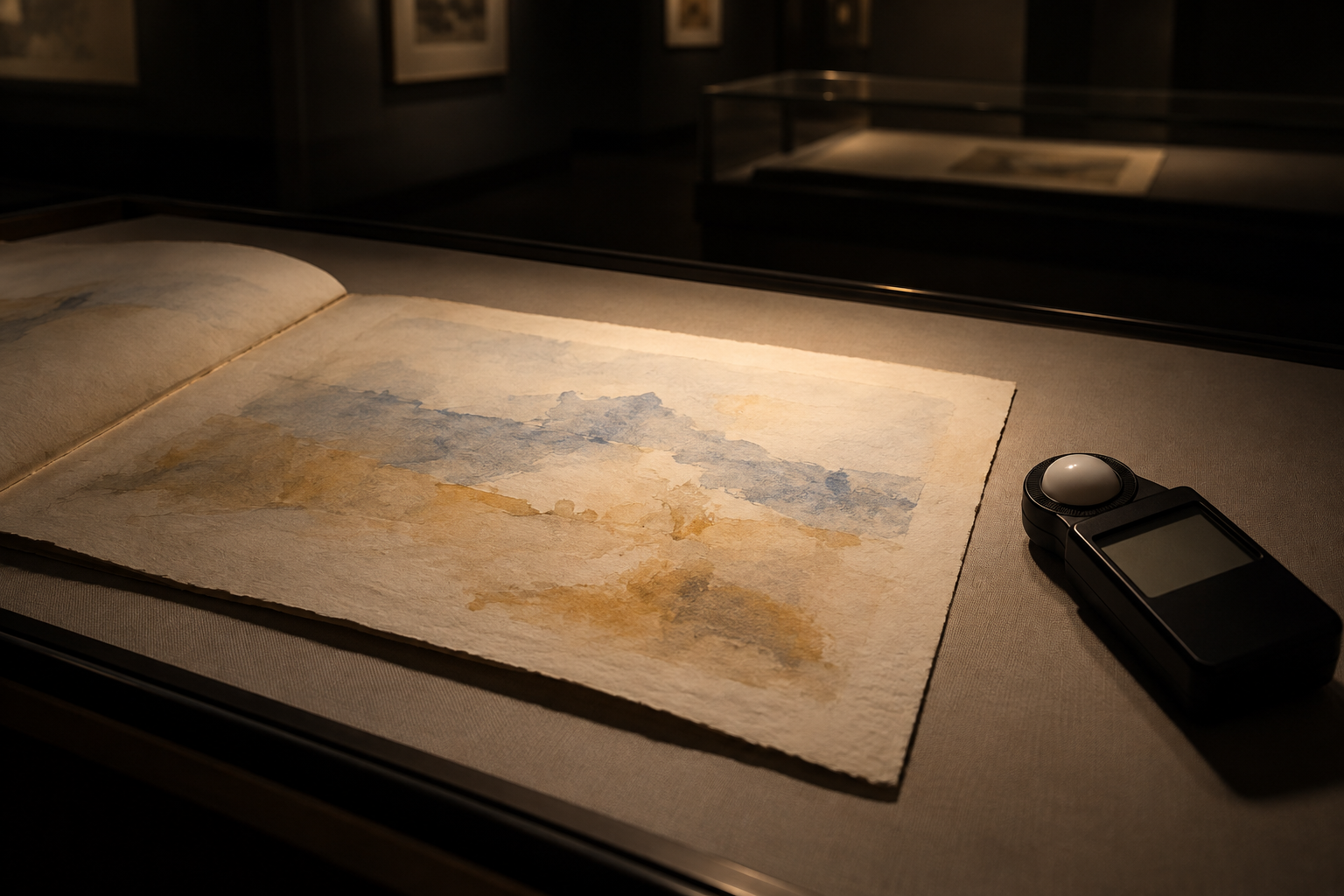
A lux reading records the light falling on a page at one moment. Conservators also weigh time on display, past exposure and the most fragile color on the sheet before deciding how long the original can be seen.
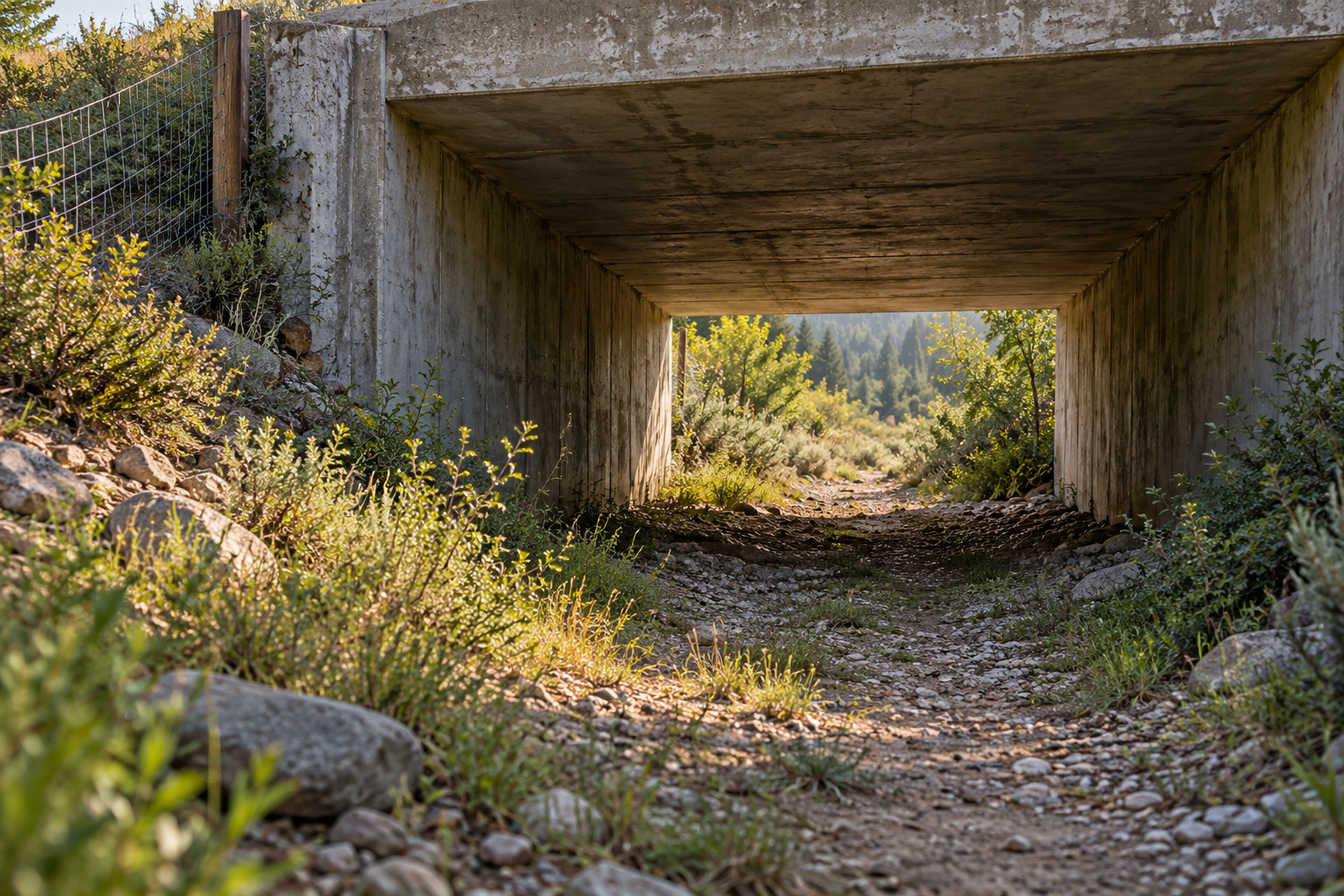
A green band on a map can end at one road or railway. Whether the route works depends on how animals reach the opening, cross it and continue beyond it—and on which result the project measures.
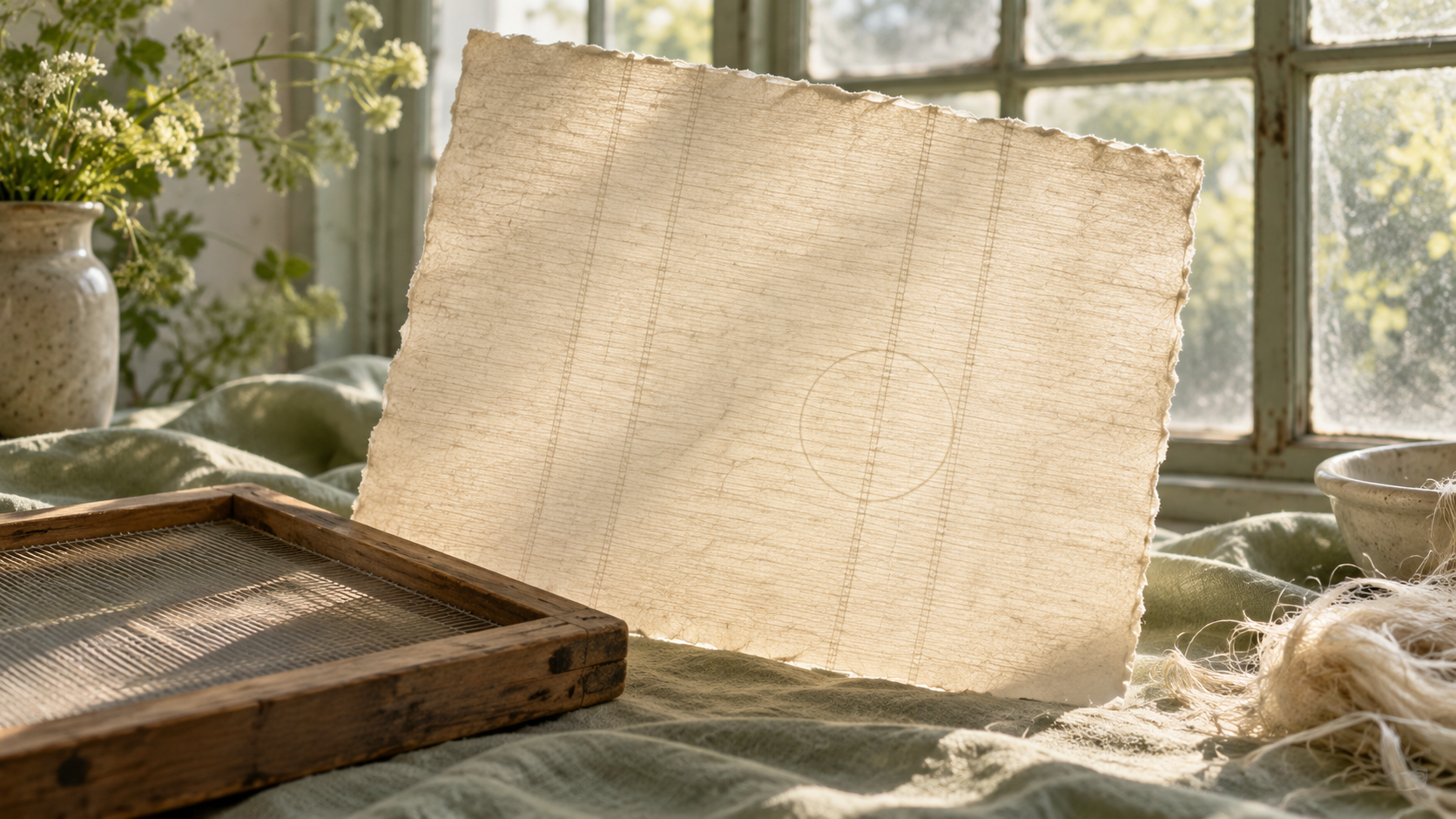
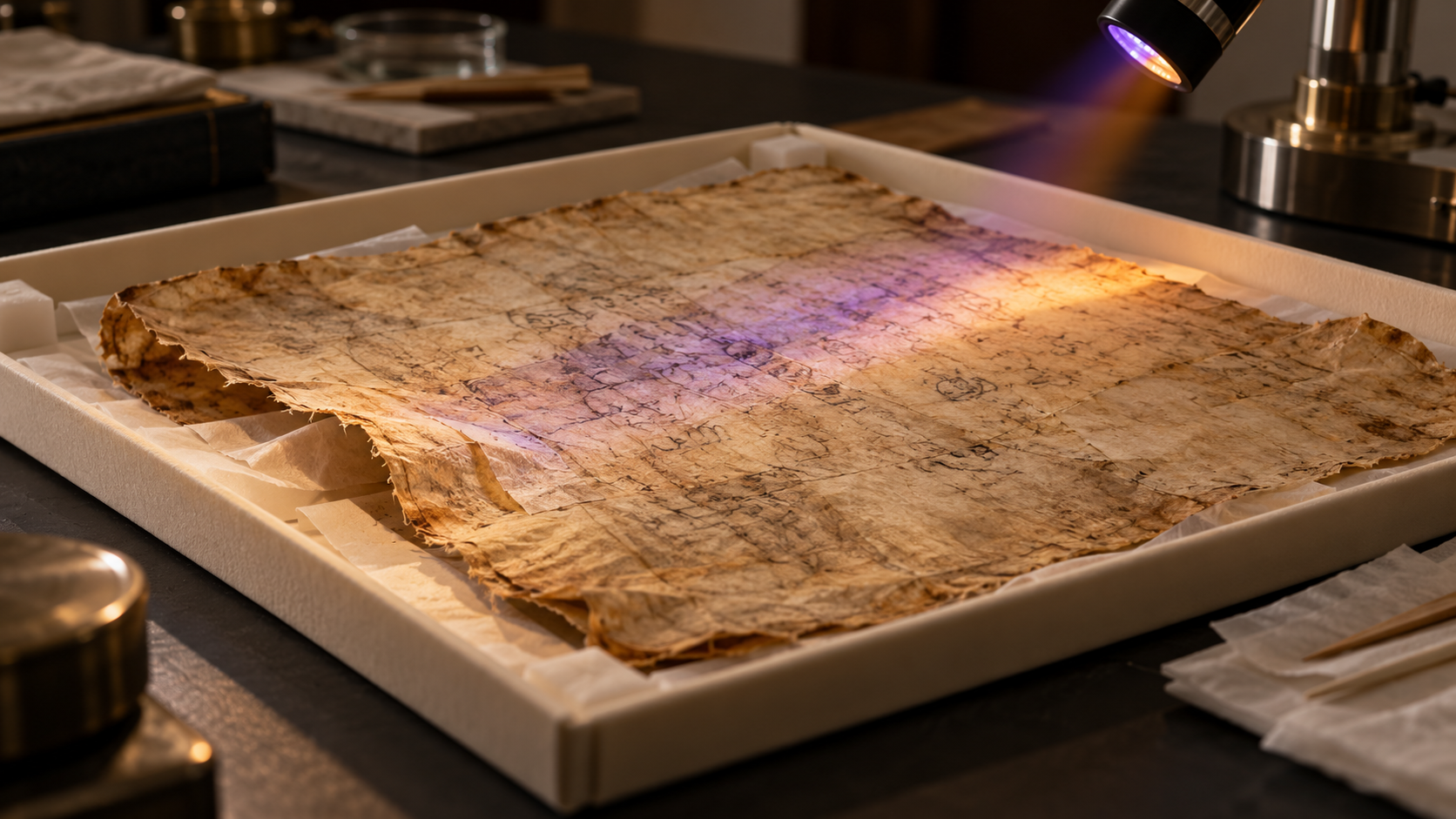
Rag preparation, mould marks, and conservation lighting make historical paper readable even where nobody has written a word.
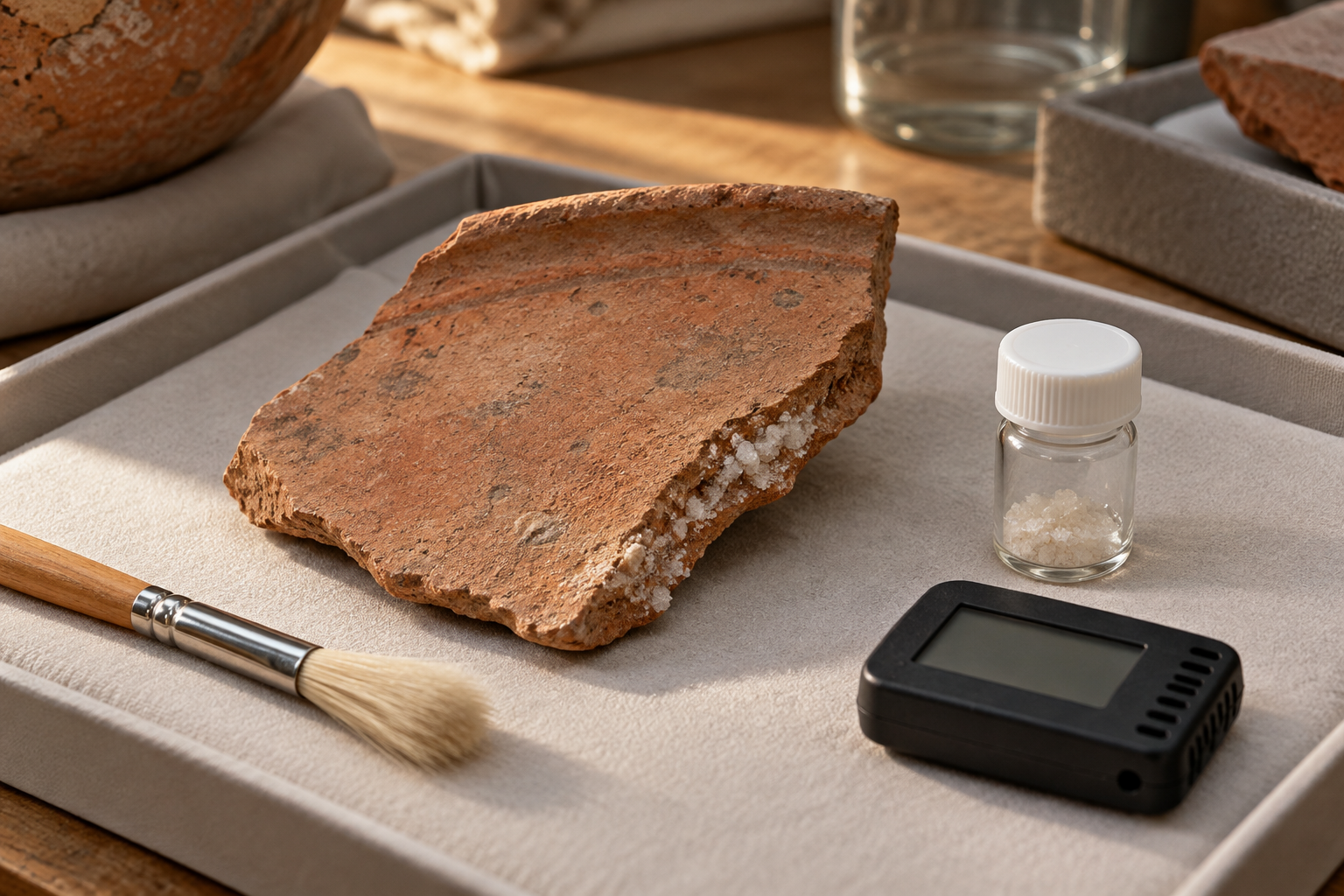
A ceramic vessel can look sound when it leaves wet soil and shed flakes years later. The damaging salt may be inside its pores; removing it takes more than rinsing, and the safest treatment depends on the clay, surface and evidence the object carries.
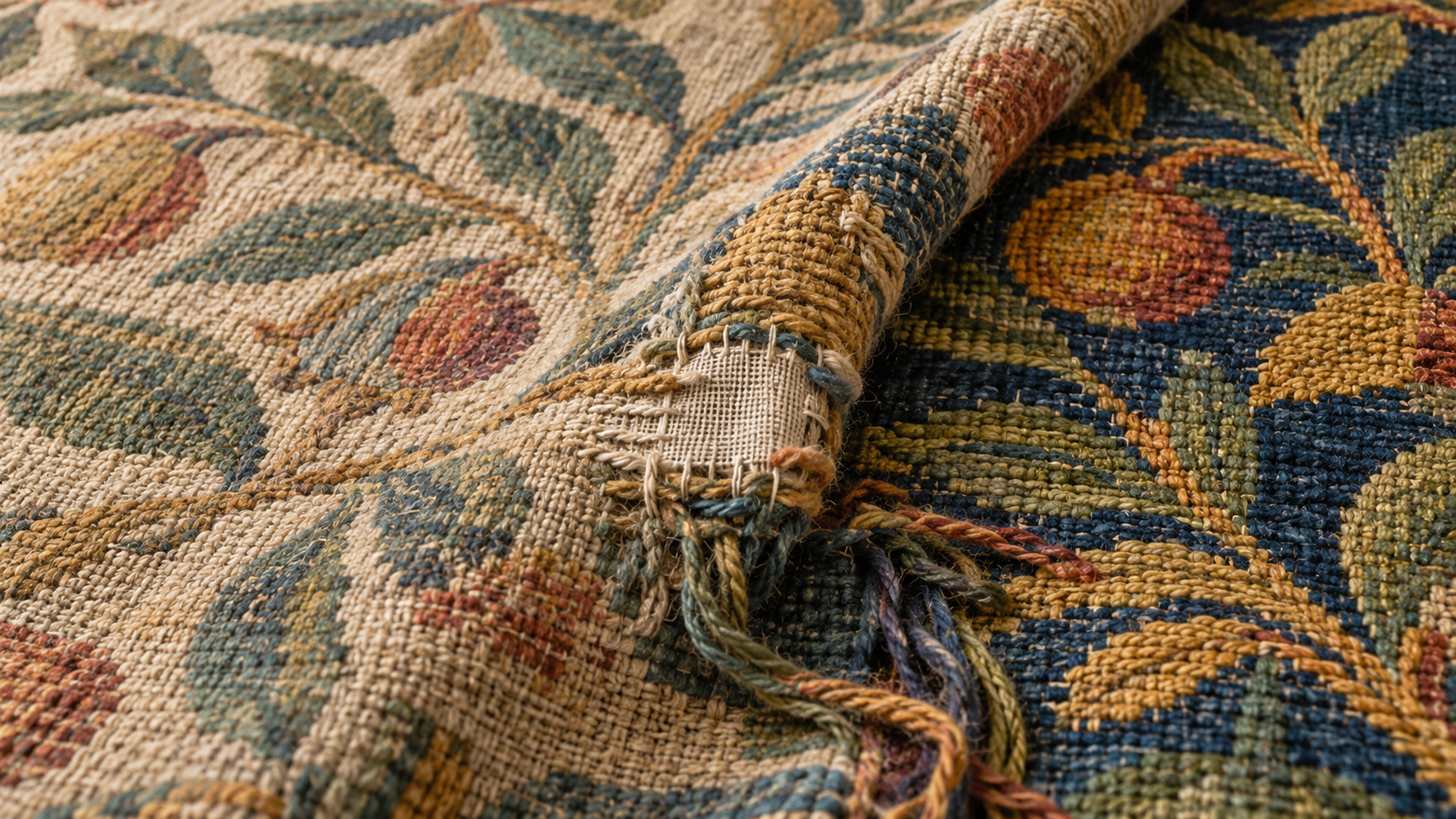
Brighter reverses, weakened yarns, and carefully designed mounts complicate the wish to restore every historical textile to its original color.
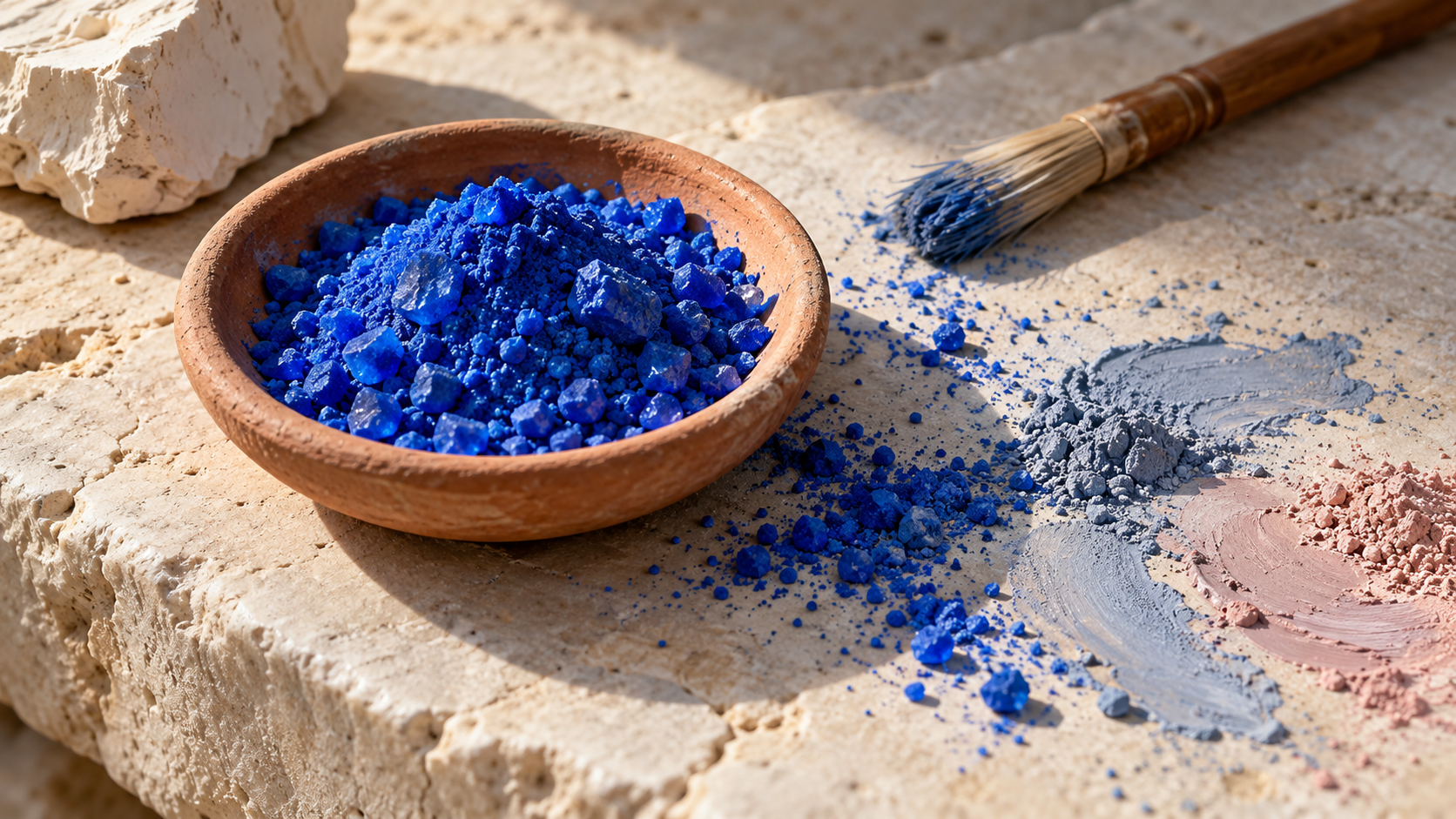
Egyptian blue turns up in flesh tones and gray backgrounds. What technical imaging reveals about ancient painting—and what it cannot tell us by itself.
Acetate decay and film restoration reveal a chain of decisions about materials, source versions, color, and the continuing care of a digital result.
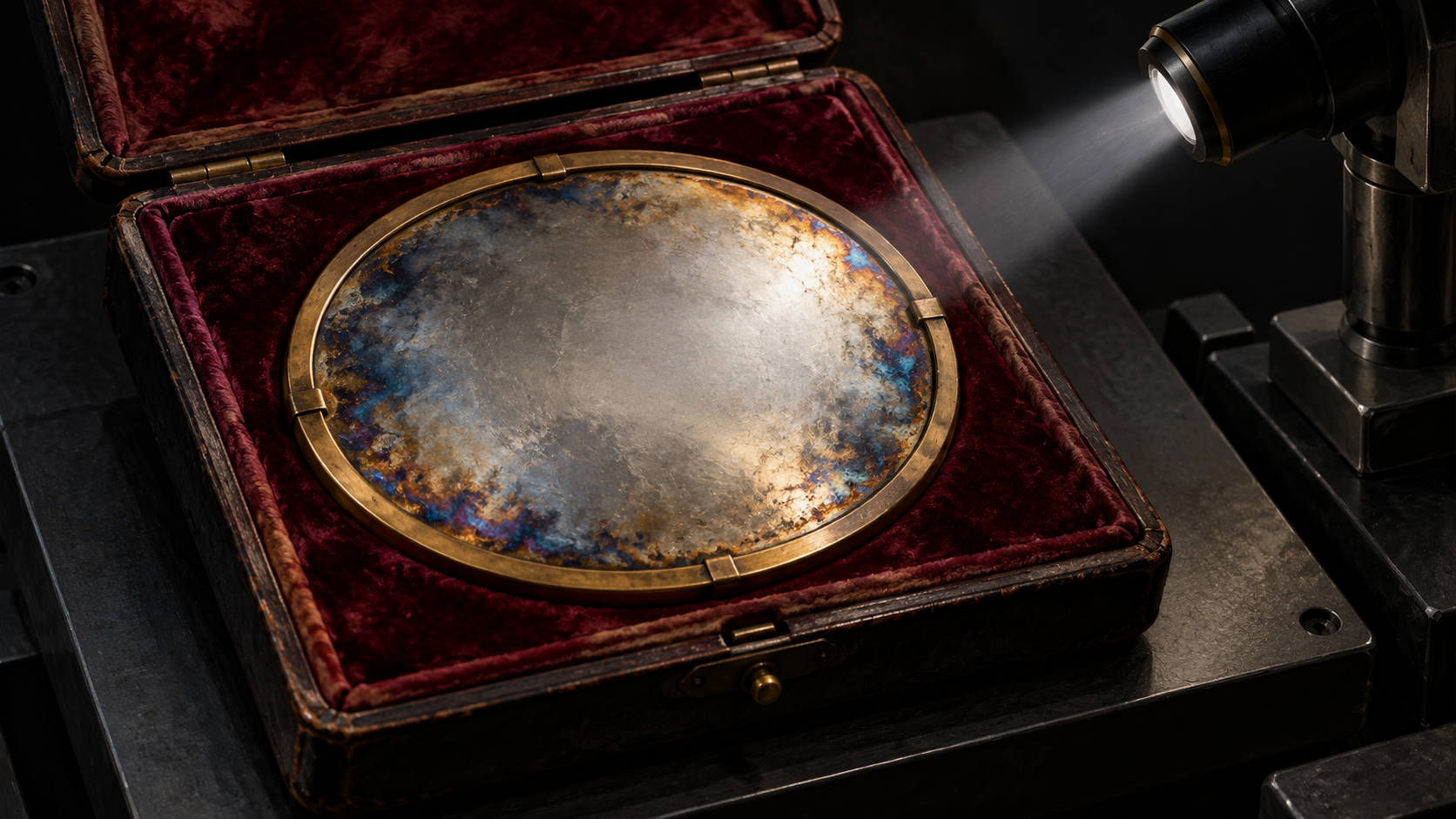
Mercury maps can reveal faces in badly tarnished daguerreotypes. Recovering information and restoring a photograph’s appearance are different achievements.
Why the Archimedes Palimpsest needed years of conservation, dissatisfied readers, and careful metadata before its spectacular images became useful evidence.
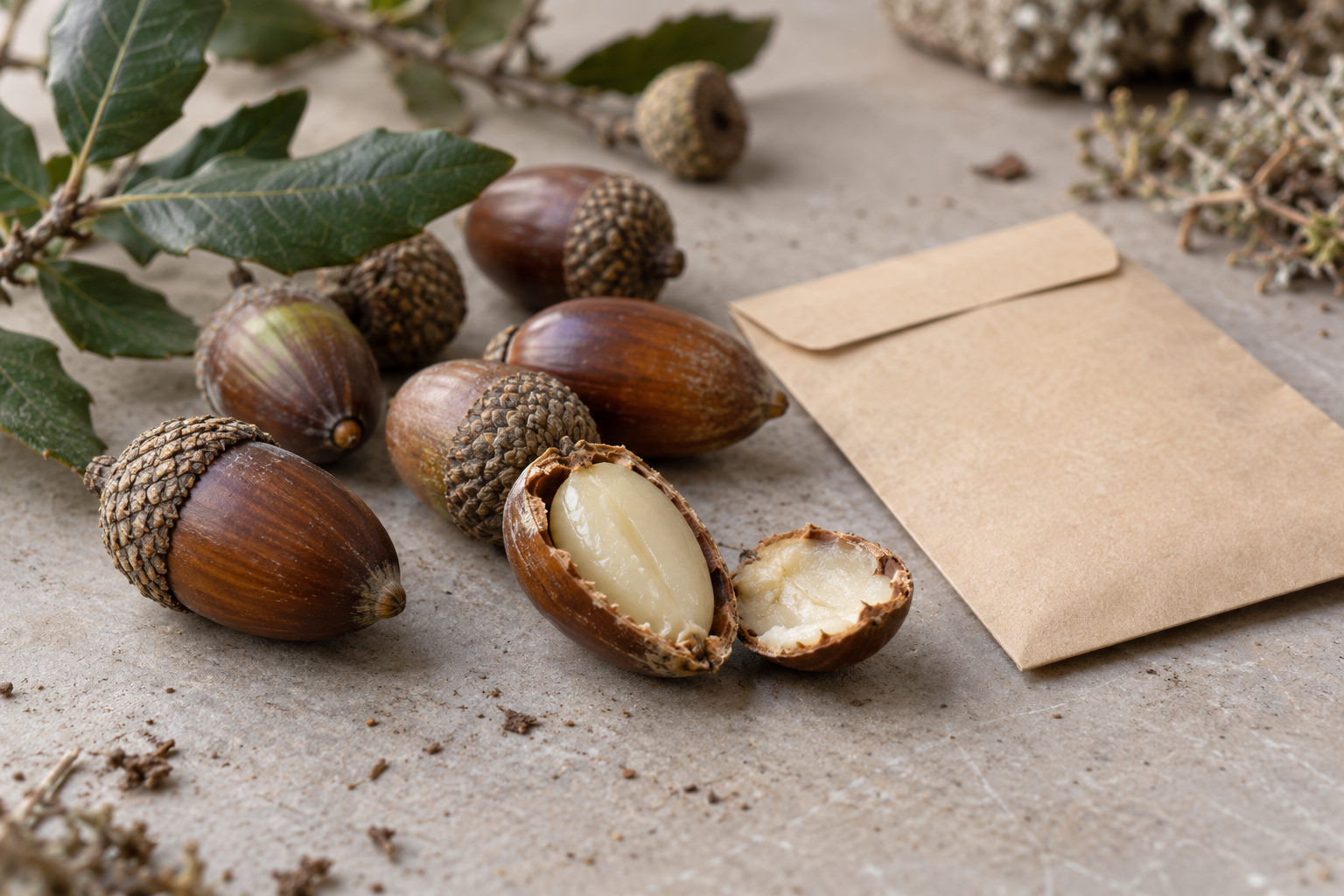
Drying lets many seeds survive a seed bank's −20°C freezer. Acorns lose viability when dried too far, yet can be injured by freezing while wet. Carefully prepared embryo tissue offers another route, with recovery still to prove.
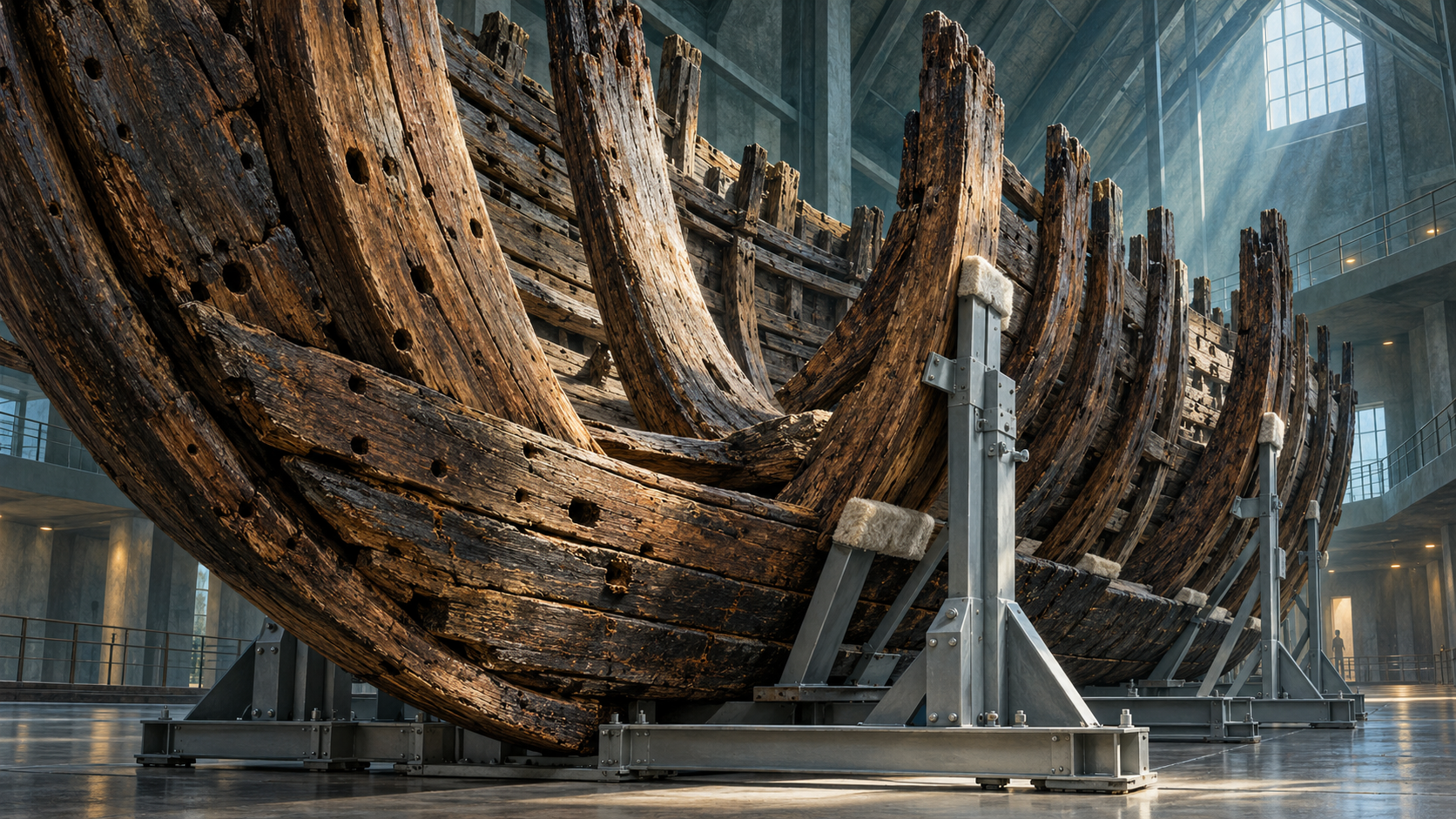
Vasa’s treatment history shows how conserving a ship can require new materials, better climate control, replacement bolts, and a willingness to revisit an earlier solution.