Measurement7 min read
How a balance notices the surrounding air
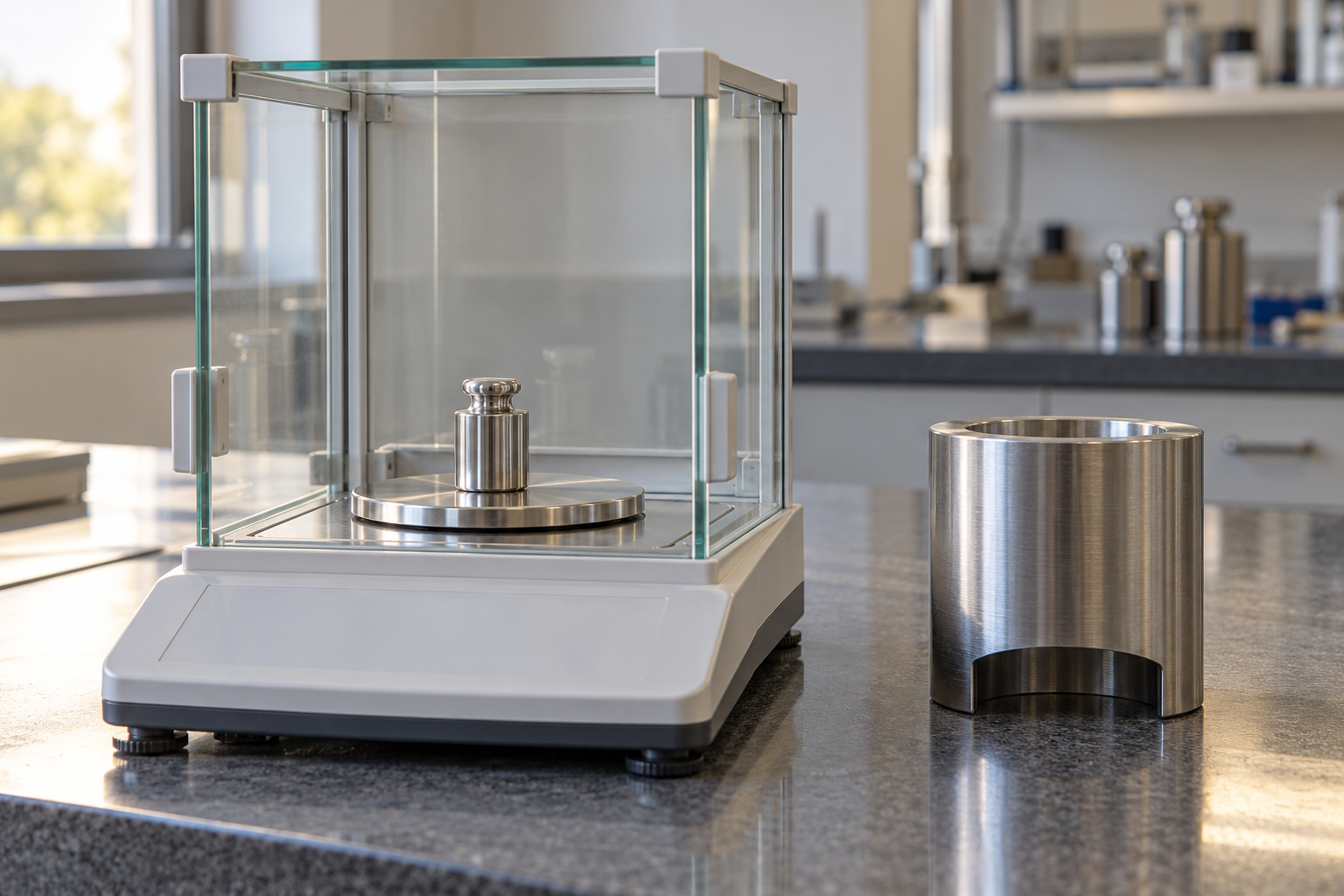
Two equal-mass objects can pull differently on a balance in air. Their volumes, the local atmosphere and the reference weight explain when that difference matters.
A little inspiration. A new way of seeing.
Discover thoughtful stories from people
with something to say.
For the endlessly curious.
Read widely, at your own pace.
15 stories found Clear filters ↗
Two equal-mass objects can pull differently on a balance in air. Their volumes, the local atmosphere and the reference weight explain when that difference matters.
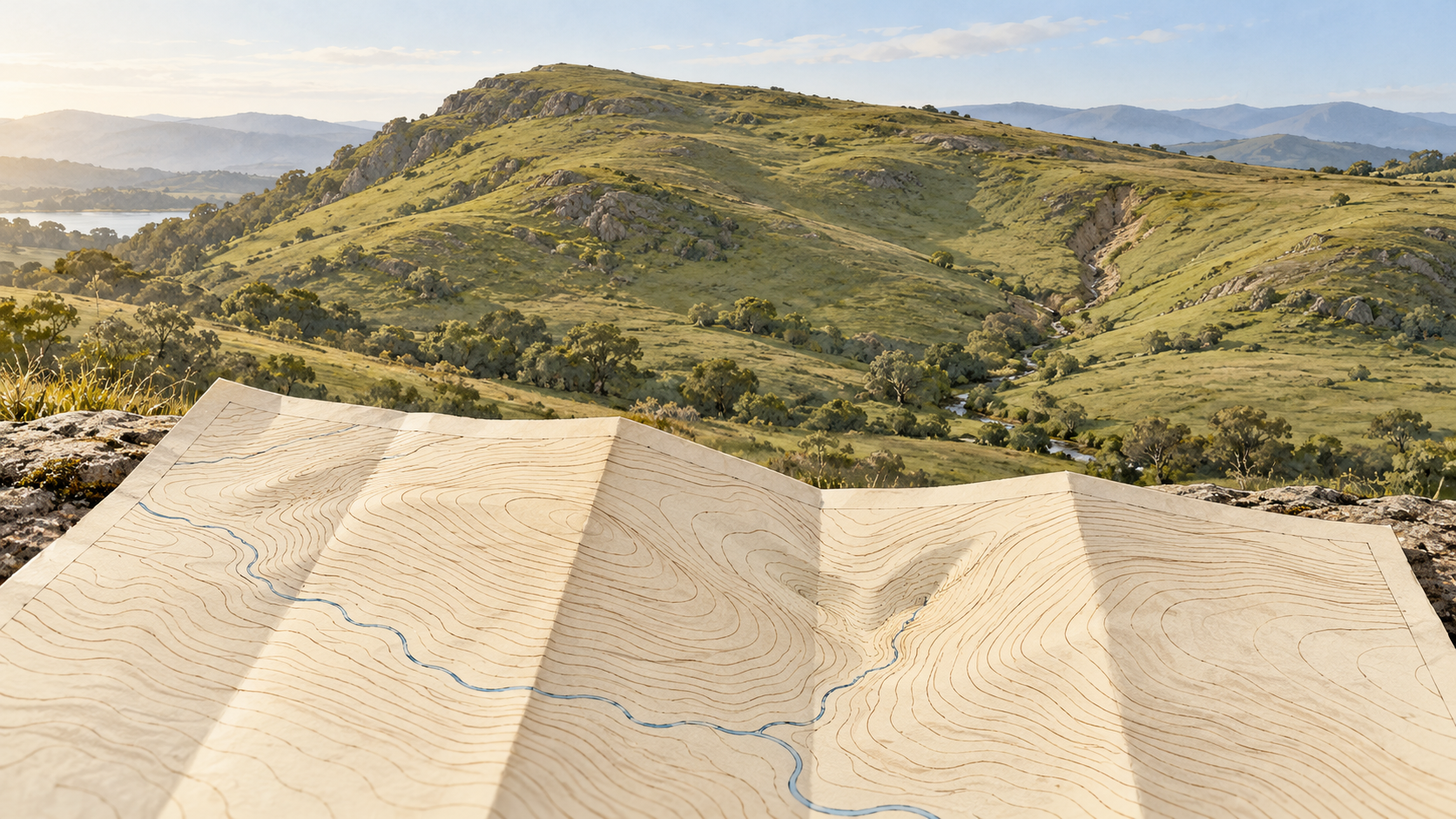
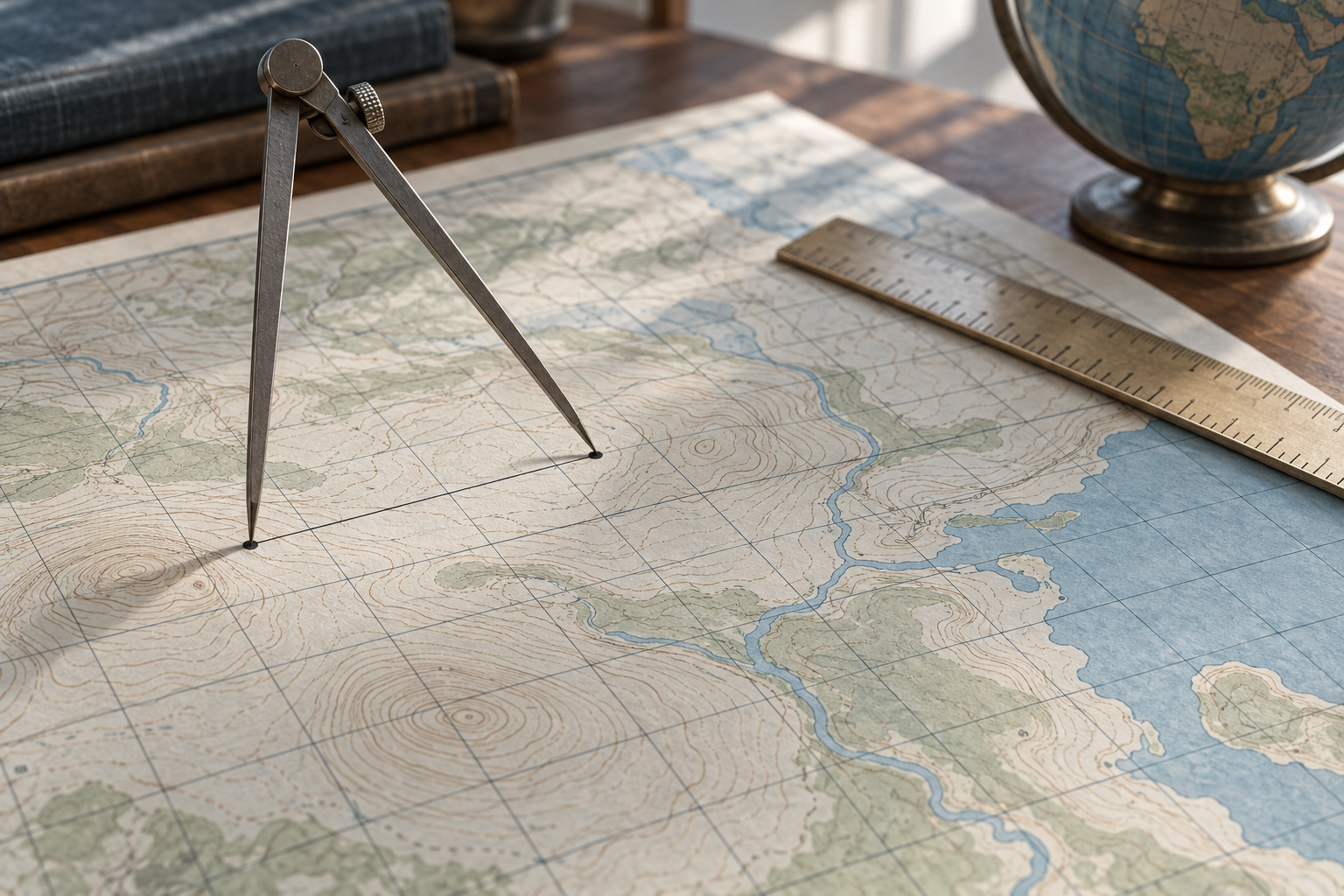
Contours give a hillside selected equal-height lines. The space between them still holds benches, hollows and changes of grade that a map reader has to infer carefully.
A rising benchmark can signal real progress, narrower preparation, or a changed comparison. Evidence from school testing and image classification shows how to tell those stories apart.
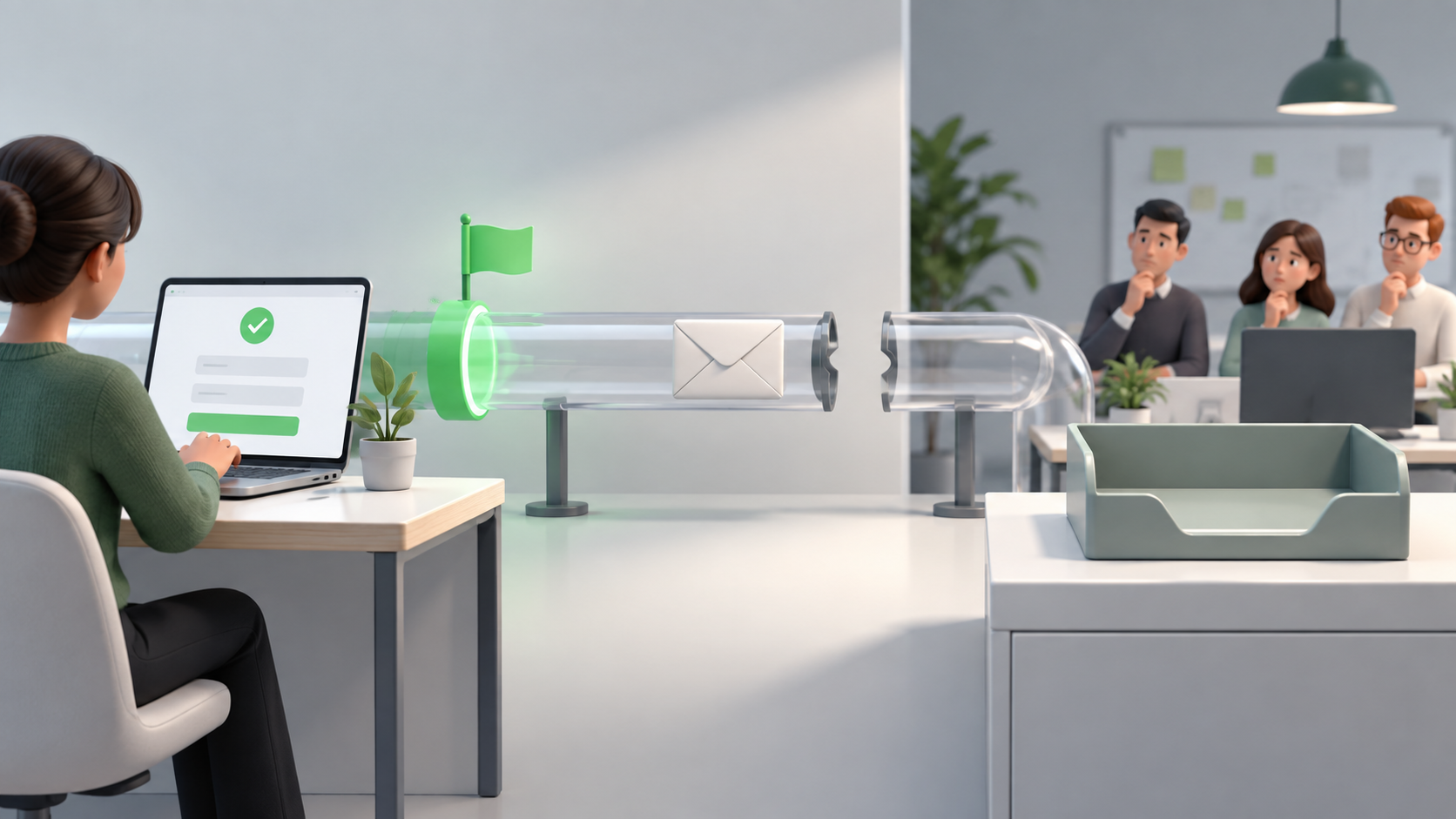
Trace a form submission through to the team that receives it. A successful screen and a usable enquiry are separate things to verify.
The rupture evolves, the message travels, and the recipient responds. Keeping those clocks separate explains the promise and physical limits of early warning.
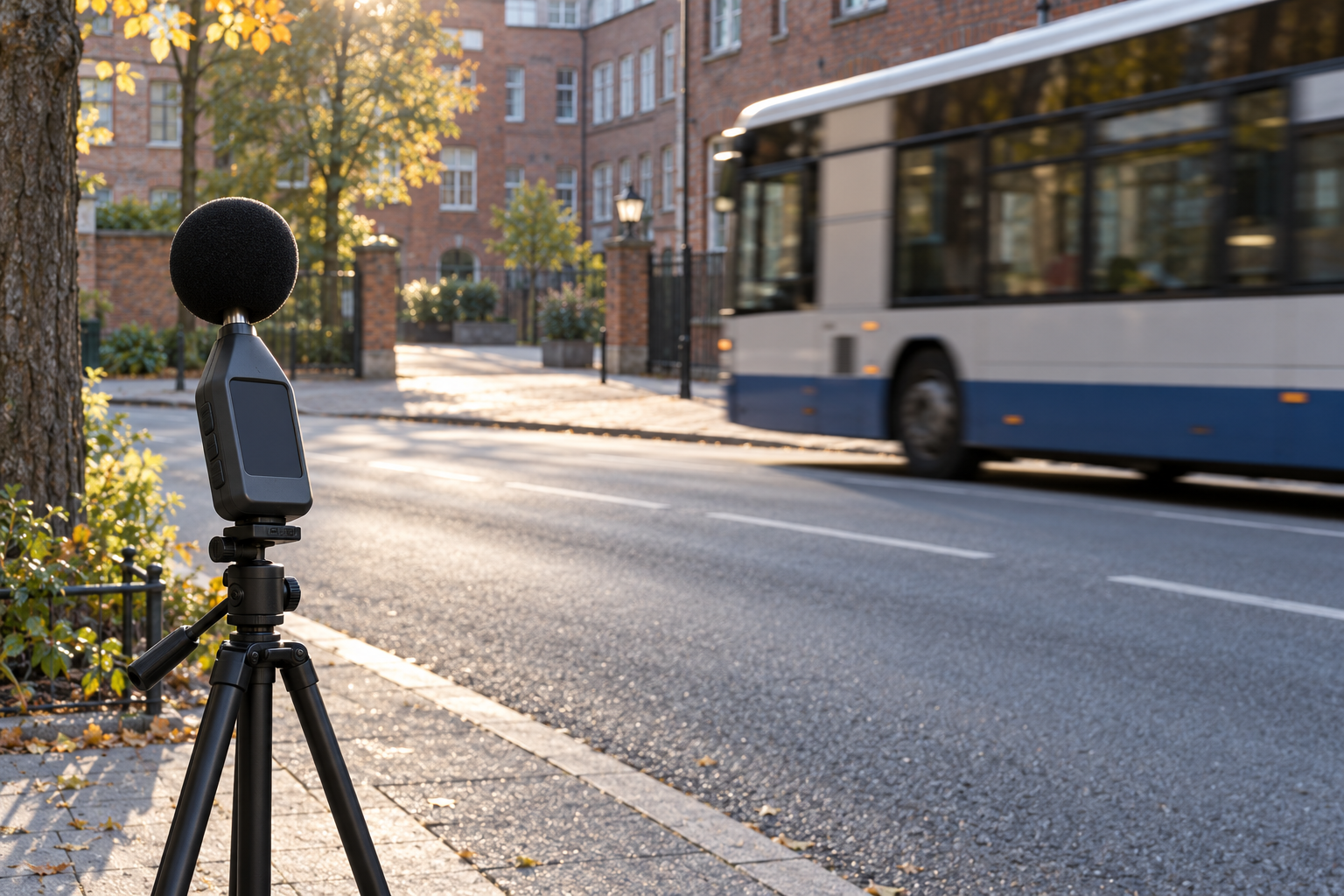
An equivalent sound level puts a noisy hour into one number. The number is useful, but the timing, peaks, frequency and setting tell the rest of the story.
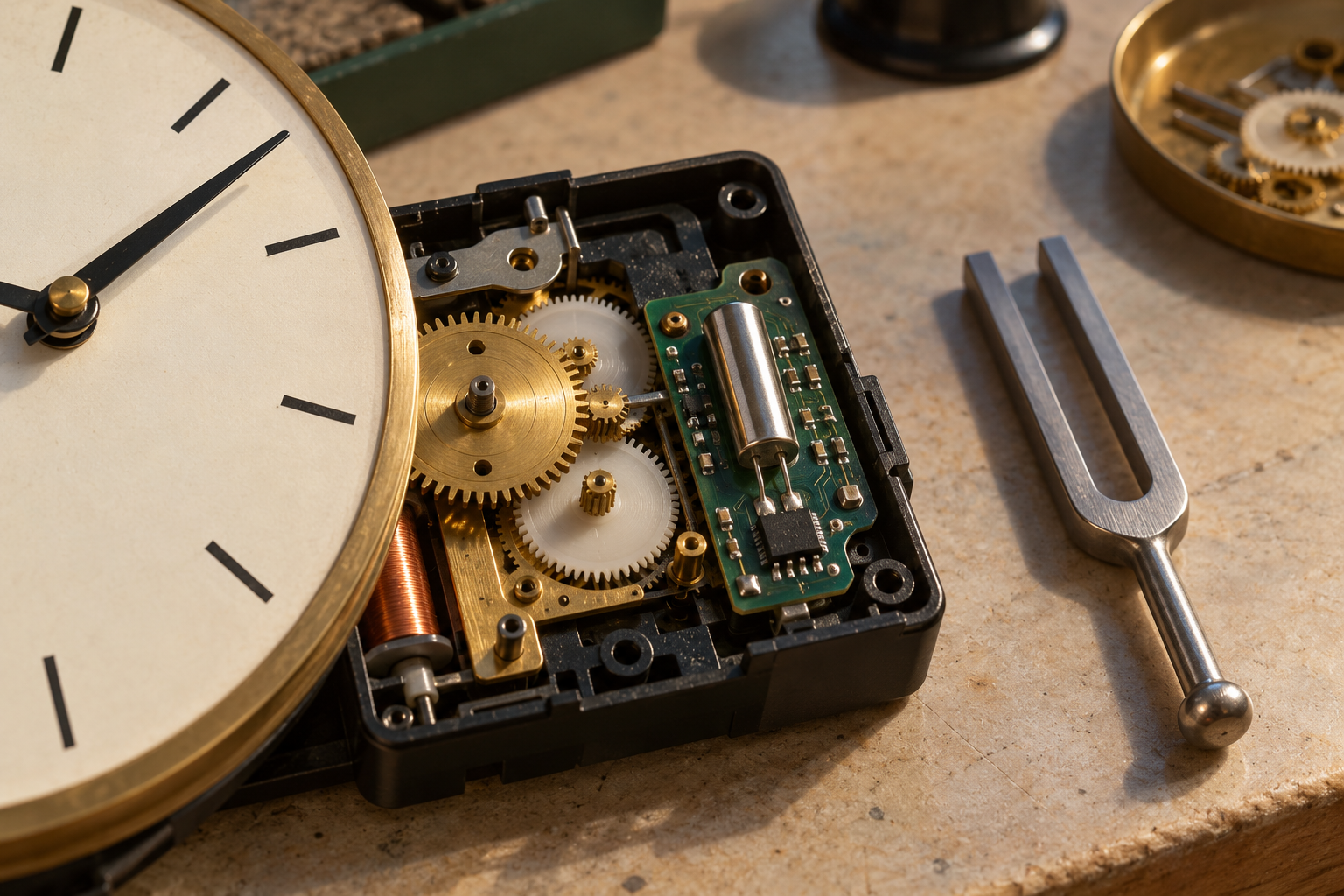
Setting a clock and keeping it on time are different jobs. Its oscillator supplies the ticks, while comparisons with a frequency reference show whether those ticks make honest seconds.
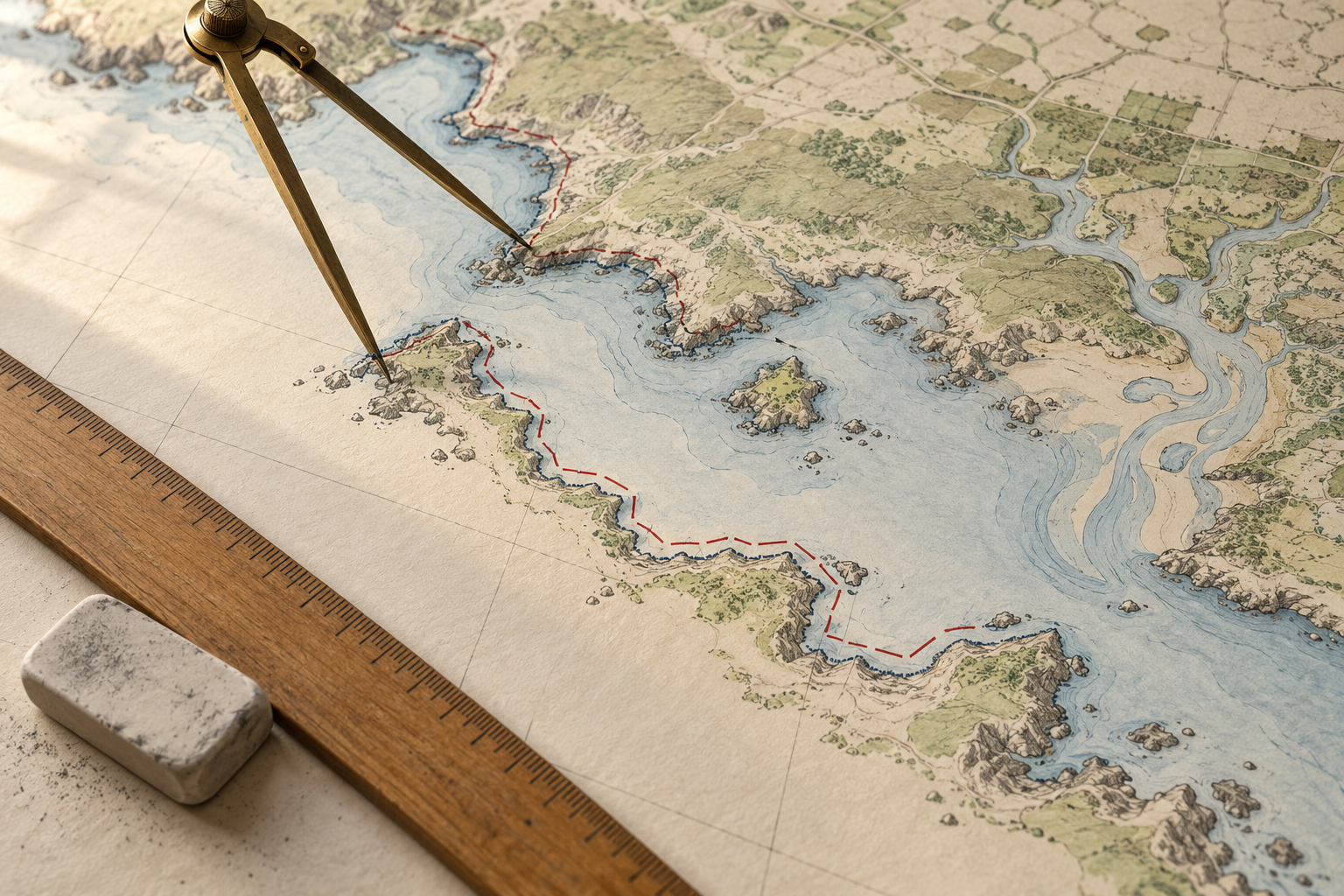
A coastline figure depends on the chosen waterline, the inlets and islands counted, the map's resolution and the survey date. Those choices explain why two careful measurements can differ.
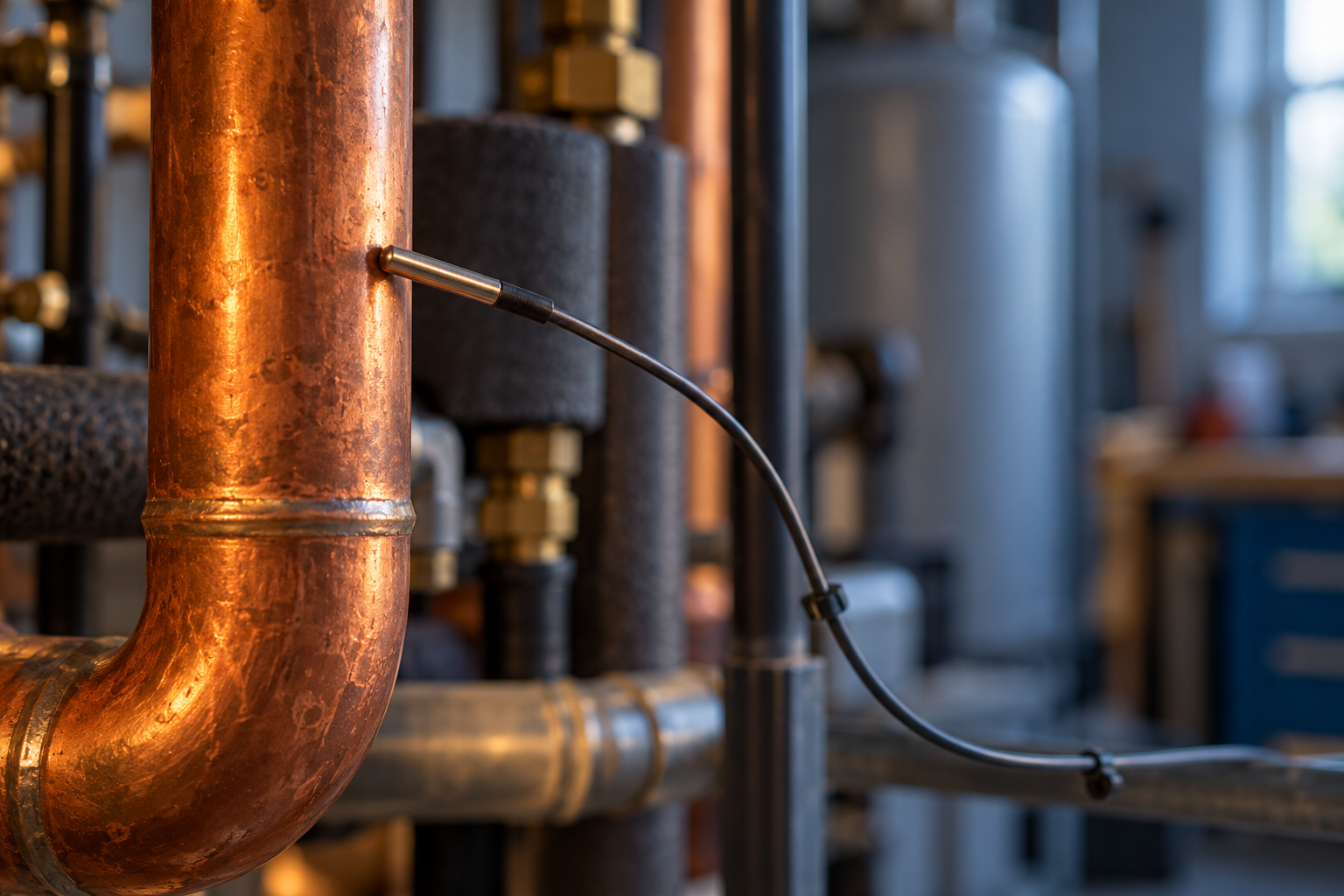
A contact thermometer measures its sensing element. Its reading represents a pipe, liquid or patch of air only when placement, heat paths and settling time make that element a faithful stand-in.
A map's grid gives useful distances, but a projected line, a line on the reference ellipsoid and a measured line on the ground are different quantities. The difference can matter well before a map looks visibly distorted.
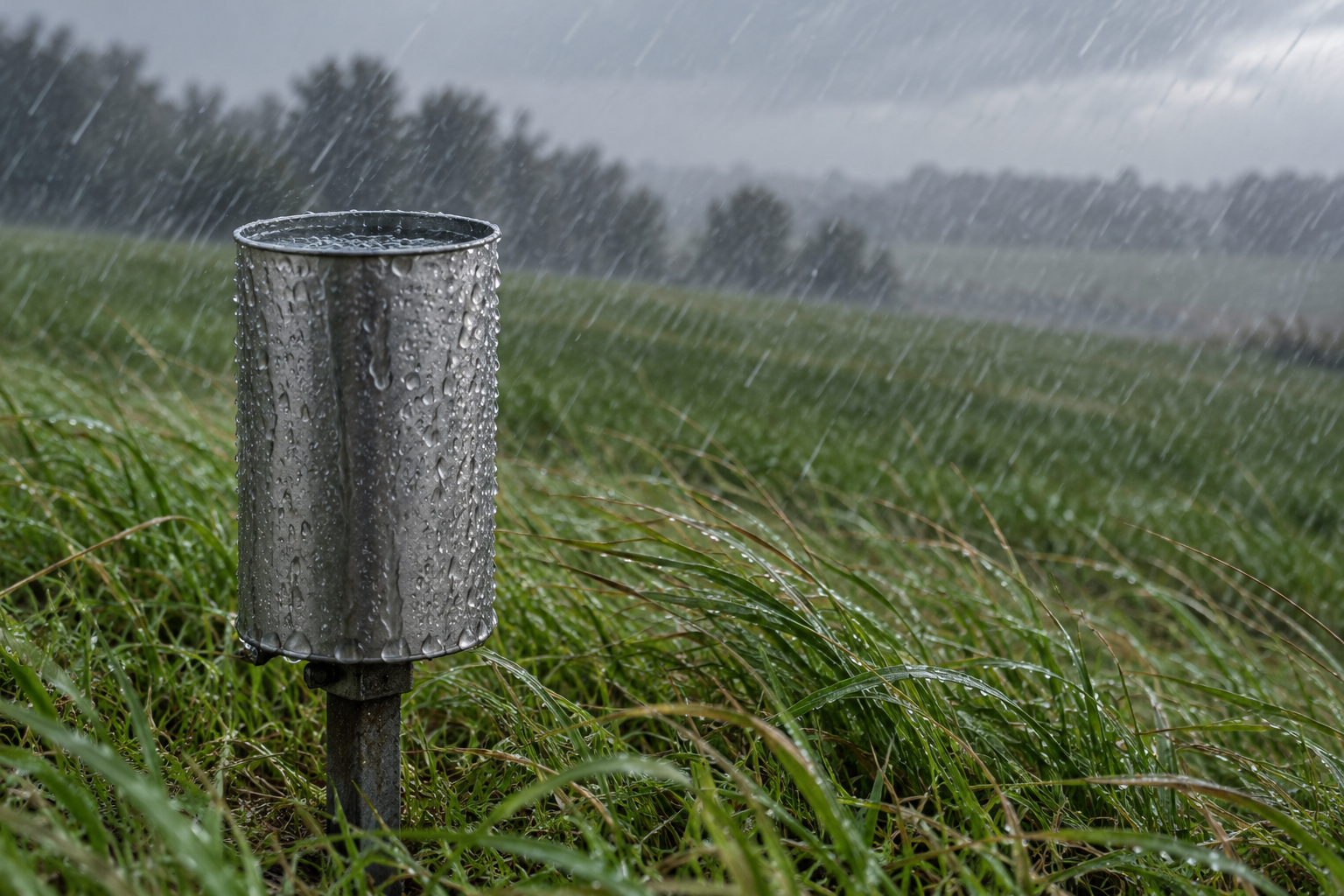
A rain gauge counts the water that reaches its opening. Wind bends the path of drops around the instrument, so shape, height and site exposure can change the recorded total even between neighboring gauges.
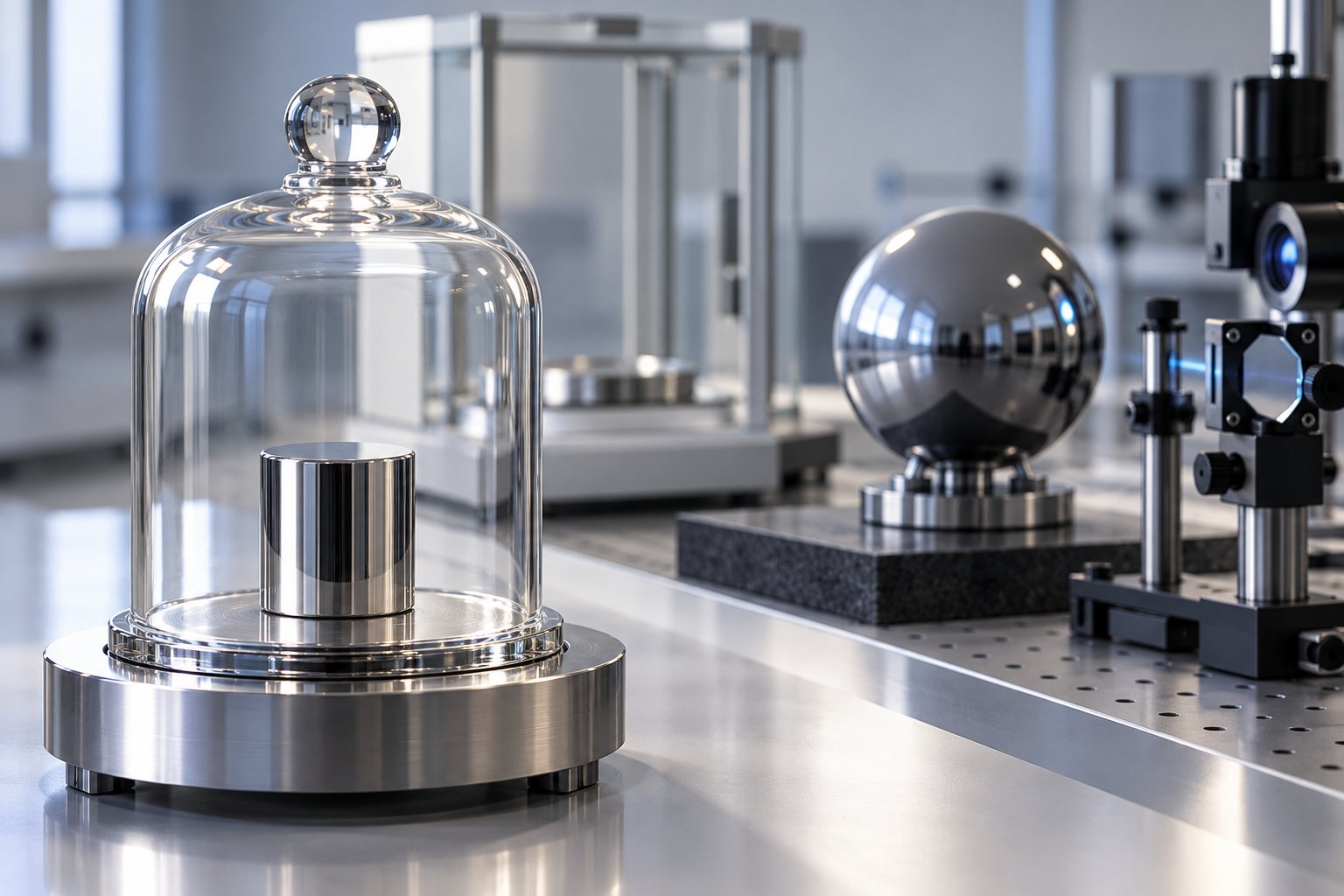
The world's kilogram stopped being defined by one guarded cylinder in 2019. Its new constant is exact, but turning that definition into a working mass still requires balances, silicon crystals, comparisons and careful transfer.